
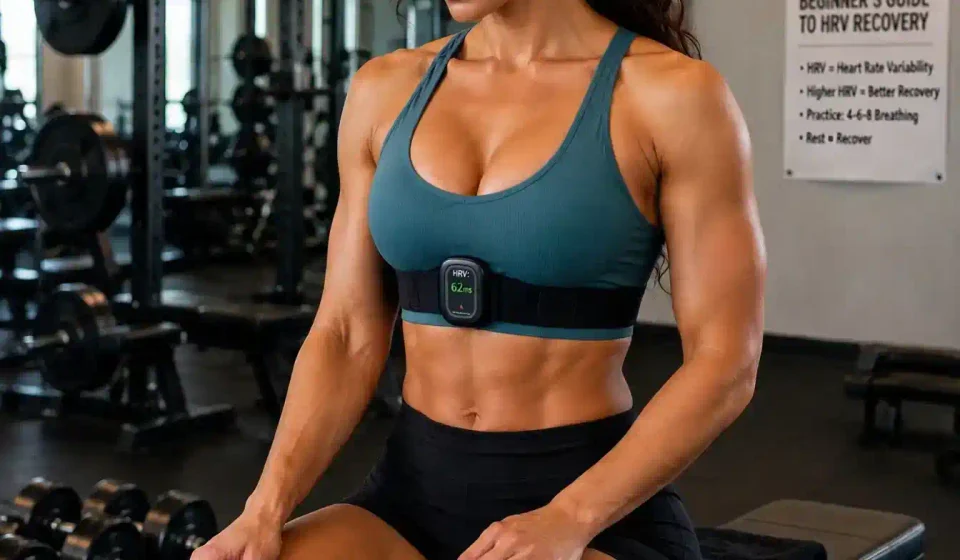

If you have recently started using a fitness tracker or smartwatch, you may have noticed a measurement called Heart Rate Variability (HRV). It is often included alongside heart rate, sleep tracking, and daily activity statistics.
But what exactly does HRV mean, and why do fitness enthusiasts pay attention to it?
Heart Rate Variability (HRV) for Fitness: What Beginners Should Know Heart Rate Variability is a measurement of the small differences in time between consecutive heartbeats. It provides information about how your nervous system responds to everyday demands, physical activity, stress, and recovery.
For beginners, understanding HRV can be useful when learning how to balance workouts with rest. However, it is important to remember that HRV is only one piece of information. It should not be used on its own to decide whether you are healthy, fit, or ready to exercise.
In this guide, you will learn what HRV means, how it relates to fitness, what can influence your readings, and how beginners can use this information as part of a balanced fitness routine.

What Is Heart Rate Variability (HRV)?
Heart Rate Variability refers to the variation in time between individual heartbeats.
Your heart does not necessarily beat at perfectly equal intervals. Even when your heart rate appears steady, the time between beats naturally changes slightly.
These differences are measured in milliseconds and are commonly used to calculate HRV.
For example, two consecutive heartbeats might occur 850 milliseconds apart, while the next interval could be slightly shorter or longer.
This variation is normal and is influenced by the autonomic nervous system, which helps regulate automatic body functions such as heart rate, breathing, and digestion.
HRV is often used as one indicator of how the body responds to physical and mental demands.
Why Is HRV Important for Fitness?
HRV has become increasingly popular among people who exercise regularly because it can provide additional information about recovery and changes in the body’s response to training.
Your readings may change depending on several factors, including exercise intensity, sleep quality, stress, and general health.
Understanding these patterns can help you make more informed decisions about your weekly fitness routine.
Some potential benefits of monitoring HRV include:
- Understanding recovery patterns: HRV trends may provide additional information about how your body responds to exercise.
- Monitoring stress: Changes in HRV can sometimes reflect changes in physical or psychological stress.
- Supporting workout planning: HRV can be considered alongside other information when deciding how demanding a workout should be.
- Observing sleep patterns: Sleep quality and duration can influence HRV readings.
- Recognizing personal trends: Tracking measurements over time can help you understand how your body responds to lifestyle changes.
However, HRV is not a direct measurement of muscle recovery, fitness level, or overall health.
What Is a Normal HRV Reading?
One of the most common questions beginners ask is whether their HRV number is good or bad.
The answer is not always straightforward.
HRV varies significantly between individuals. Factors such as age, genetics, fitness history, health, and measurement methods can influence the results.
A reading that is normal for one person may be different from another person’s usual range.
For this reason, comparing your HRV directly with someone else’s is generally not useful.
Instead, pay attention to your own measurements over time.
Understanding HRV Measurements
Most consumer fitness trackers display HRV in milliseconds (ms).
Many devices use a measurement called RMSSD, which stands for Root Mean Square of Successive Differences. It is a commonly used method for estimating short-term HRV.
Other devices may use different measurement methods, so readings are not always directly comparable between brands.
A few important things to remember:
- HRV naturally changes throughout the day.
- Measurements taken at different times may produce different results.
- Sleep, stress, exercise, and illness can influence readings.
- Consistent measurement conditions make it easier to identify personal trends.
- A single reading does not provide a complete picture of your health.
Rather than focusing on a particular number, learn what is typical for you.
7 Factors That Can Affect Your Heart Rate Variability
Several everyday habits and lifestyle factors can influence HRV.
Understanding them can help you interpret your readings more carefully.
1. Sleep Quality
Sleep is an important part of physical recovery and nervous system regulation.
Changes in sleep duration, sleep quality, and sleep schedules can influence HRV.
If you regularly sleep poorly, you may notice changes in your readings over time.
Habits that support better sleep include:
- Following a consistent bedtime.
- Keeping your bedroom comfortable and quiet.
- Reducing screen use before sleeping.
- Avoiding excessive caffeine late in the day.
- Allowing enough time for rest.
Most adults need around seven to nine hours of sleep each night.
2. Physical Exercise
Exercise places temporary demands on your body, and HRV can change in response to training.
A demanding workout may be followed by a temporary reduction in HRV as your body responds to the physical stress.
However, the response depends on the type of exercise, its intensity, your training experience, and your individual physiology.
Examples of activities that may influence HRV include:
- Heavy strength training.
- High-intensity interval training.
- Long-distance running.
- Cycling.
- Swimming.
- Moderate aerobic exercise.
Tracking longer-term patterns may help you understand how your body responds to different types of training.
3. Mental and Emotional Stress
Physical exercise is not the only factor that influences HRV.
Work, school, daily responsibilities, and emotional stress can also affect how your nervous system responds.
During stressful periods, some people notice changes in their HRV measurements.
Relaxation activities such as comfortable breathing exercises, gentle walking, and meditation may help support general well-being.
4. Hydration
Hydration supports normal cardiovascular function and helps maintain the body’s fluid balance.
Dehydration, particularly after prolonged exercise or in hot weather, can influence heart rate and other physiological measurements.
Simple hydration habits include:
- Drinking water regularly throughout the day.
- Having water after exercise.
- Paying attention to thirst.
- Replacing fluids lost through sweating.
- Drinking more when exercising in hot conditions.
5. Nutrition
Your eating habits can also influence your body’s response to everyday physical demands.
Regular, balanced meals provide the energy and nutrients needed to support general health and exercise recovery.
Try including a variety of:
- Fruits and vegetables.
- Whole grains.
- Protein-rich foods.
- Healthy fats.
- Foods containing essential vitamins and minerals.
Avoid relying on restrictive diets or unnecessary supplements to change your HRV.
6. Alcohol and Caffeine
Alcohol can affect sleep quality, heart rate, and HRV measurements.
Caffeine can also influence heart rate and sleep, particularly when consumed later in the day or in large amounts.
If you notice changes in your readings, consider whether your usual habits may be contributing.
7. Illness and General Health
Your HRV may change when your body is responding to illness, inflammation, or other health-related demands.
Some people notice lower readings when they are unwell, although responses differ between individuals.
If you feel sick, unusually tired, or experience concerning symptoms, prioritize your health rather than relying on a fitness tracker to decide whether you should exercise.

How to Use HRV to Support Your Fitness Routine
HRV can provide useful context when combined with other information about your daily health and exercise habits.
The key is to avoid treating it as a strict instruction.
Here are some practical ways beginners can use HRV measurements.
1. Establish Your Personal Baseline
Start by measuring HRV consistently using the same device.
Many fitness trackers collect readings during sleep or at a particular time in the morning.
Follow your device’s recommended measurement method and observe your readings over several weeks.
This helps establish a personal baseline rather than relying on general averages.
2. Look at Trends Instead of Individual Numbers
A single low reading does not necessarily mean something is wrong.
Temporary changes can happen because of exercise, stress, poor sleep, or normal daily variation.
Look for longer-term patterns instead of reacting to every measurement.
3. Combine HRV With How You Feel
Your own experience is an important part of understanding recovery.
Consider:
- Do you feel rested?
- Are your muscles comfortable?
- Have you been sleeping well?
- Do you feel unusually tired?
- Are your workouts feeling manageable?
If your HRV is lower than usual and you also feel exhausted, a lighter activity day or additional rest may be appropriate.
4. Adjust Workout Intensity When Necessary
HRV can be one factor to consider when planning your training.
For example, if your readings are consistently lower than your normal range and you feel unusually tired, consider replacing a demanding workout with comfortable walking or gentle mobility.
If your readings are within your normal range and you feel well, you can generally follow your planned routine.
Remember that HRV should not replace medical advice or your awareness of symptoms.
5. Keep Your Recovery Habits Consistent
You do not need expensive equipment or complicated techniques to support your general recovery.
Focus on everyday habits such as:
- Getting sufficient sleep.
- Eating balanced meals.
- Staying hydrated.
- Including appropriate rest days.
- Managing daily stress.
- Avoiding excessive training demands.
These habits support overall health whether or not you use an HRV tracker.
Best Ways to Measure Heart Rate Variability
Several consumer devices can measure HRV and display the results through fitness applications.
Smartwatches
Many modern smartwatches include HRV tracking features.
They may collect measurements during sleep or at selected times throughout the day.
Fitness Bands
Fitness bands can monitor several health-related measurements, including heart rate, sleep, and HRV.
They are often designed for people who want to observe general activity and wellness trends.
Chest Straps
Some heart-rate chest straps can measure the timing between heartbeats with high precision when used with compatible applications.
They are commonly used by people interested in more detailed exercise monitoring.
Smartphone Applications
Some applications estimate HRV using compatible sensors or connected devices.
The accuracy and measurement methods vary, so it is important to understand how your application collects its data.
Important: Different devices and applications may use different HRV measurement methods. Avoid comparing readings from different products as if they were identical.
Common HRV Tracking Mistakes Beginners Should Avoid
HRV tracking can be helpful, but beginners sometimes misunderstand what the numbers mean.
Here are some common mistakes to avoid.
Focusing Too Much on One Reading
HRV naturally fluctuates, so one measurement should not determine your entire workout schedule.
Look at patterns over time.
Comparing Your Number With Other People
HRV is highly individual.
Comparing your readings with friends, family members, or online fitness personalities may create unnecessary confusion.
Ignoring How You Feel
A fitness tracker cannot measure every aspect of your physical and mental well-being.
Always consider your energy, sleep, comfort, and general health.
Changing Your Workout Based Only on HRV
A low reading does not automatically mean you need to skip exercise.
Likewise, a high reading does not guarantee that you are ready for an intense workout.
Use several indicators when making decisions.
Measuring Under Different Conditions
Taking measurements at inconsistent times or using different devices can make trends harder to interpret.
Follow a consistent measurement routine whenever possible.
Treating HRV as a Medical Diagnosis
HRV is not a standalone diagnostic tool.
It cannot confirm whether you have a medical condition or replace professional medical evaluation.
If you have concerning symptoms or persistent changes that worry you, consult a healthcare professional.
A Simple Daily Routine to Support Healthy Recovery
If you are new to fitness tracking, you can combine simple daily habits with consistent HRV monitoring.
Here is an example of a balanced routine.
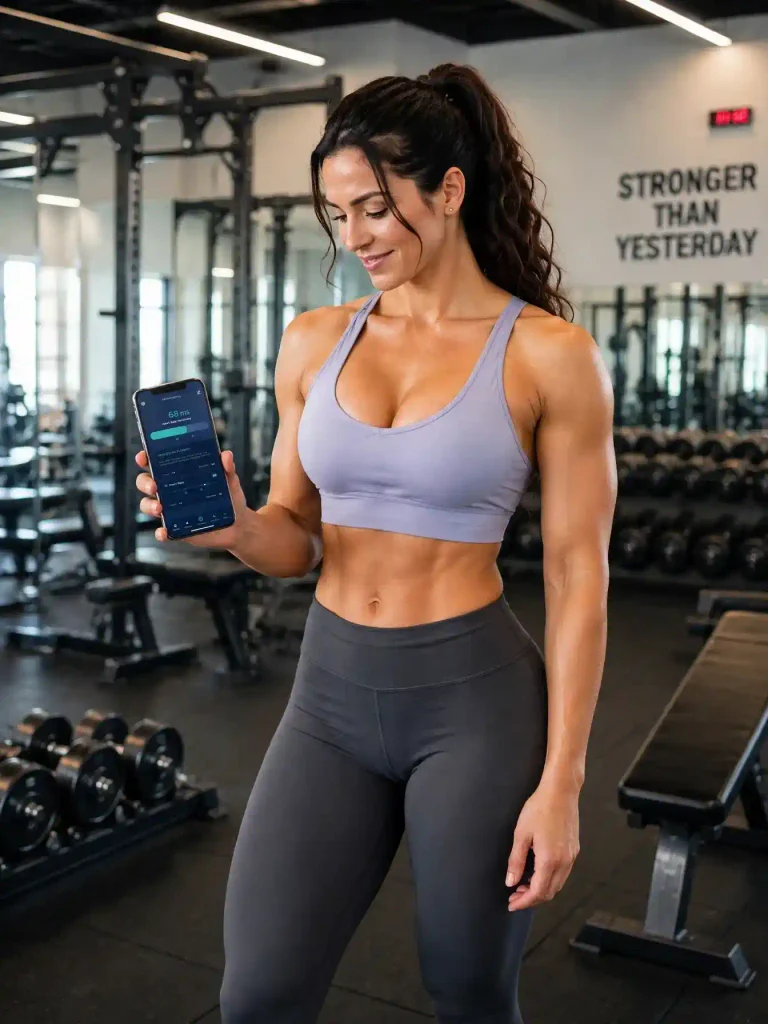
| Time of Day | Activity | Purpose |
|---|---|---|
| Morning | Check your HRV trend and how you feel | Understand your daily condition |
| Morning | Gentle walking or mobility | Prepare for daily activity |
| Afternoon | Balanced meals and hydration | Support general health |
| Afternoon | Planned workout or comfortable movement | Maintain physical activity |
| Evening | Relaxation and reduced screen time | Prepare for sleep |
| Night | Consistent bedtime | Support recovery |
This routine is flexible and does not need to be followed perfectly every day.
The most important thing is to develop healthy habits that fit your schedule.
Frequently Asked Questions About Heart Rate Variability and Fitness
What does HRV mean in fitness?
HRV stands for Heart Rate Variability. It measures the differences in time between consecutive heartbeats. In fitness, it is sometimes used to monitor recovery patterns and how the body responds to physical and mental stress.
Is a higher HRV always better?
Not necessarily. HRV varies between individuals and depends on several factors. A higher reading is not automatically better in every situation. Understanding your personal baseline and long-term trends is more useful.
What is a good HRV for beginners?
There is no single ideal HRV number for all beginners. Readings depend on age, genetics, health, fitness history, and measurement methods. Focus on your own baseline rather than comparing your number with someone else’s.
Can exercise lower HRV?
Yes. Challenging exercise can temporarily reduce HRV while your body responds to the training demands. This is a normal possible response, and readings may change as recovery continues.
Can walking improve HRV?
Regular moderate physical activity, including walking, can support cardiovascular health and overall fitness. Some people may notice improvements in their longer-term HRV patterns, but individual results vary.
Does sleep affect HRV?
Yes. Sleep duration and quality can influence HRV. Poor sleep may be associated with changes in readings, which is why consistent sleep habits are important.
Should I work out when my HRV is low?
A low reading alone does not automatically mean you should avoid exercise. Consider your energy, sleep, symptoms, and recent training. If you feel unusually tired or unwell, choose rest or gentle activity instead of a demanding workout.
Can a smartwatch measure HRV accurately?
Many smartwatches can provide useful HRV estimates, but accuracy and measurement methods vary between devices. Results should be interpreted as general wellness information rather than medical measurements.
Final Thoughts
Heart Rate Variability can be a useful tool for understanding how your body responds to exercise, sleep, stress, and everyday activities.
For beginners, the most important thing is not achieving a particular HRV number. It is learning to recognize personal patterns and combining that information with healthy daily habits.
Regular exercise, balanced nutrition, sufficient sleep, hydration, and appropriate rest remain the foundation of a healthy fitness routine.
If you use a smartwatch or fitness tracker, treat HRV as an additional source of information rather than a measure of your overall health or fitness level.
Remember that successful fitness progress is about more than numbers. Listen to your body, stay consistent, and give yourself enough time to recover.



Comments are closed.
[…] resistance can be useful for swimming and other activities involving water. Always check the manufacturer’s specifications before using a device in […]