


Fitness trackers have become popular tools for people who want to stay active, monitor their daily movement, and understand their exercise habits. Whether you use a smartwatch, fitness band, or another wearable device, these tools can provide useful information about your daily activity and workouts.
Fitness Tracker to Improve Your Workout Routine From counting steps and measuring heart rate to tracking sleep and workout duration, a fitness tracker can help you understand how your body responds to physical activity.
However, simply wearing a fitness tracker does not automatically improve your fitness. The real benefit comes from knowing how to use the information it provides and turning it into healthy, realistic habits.
Whether you are a beginner or someone who exercises regularly, learning how to use a fitness tracker can help you organize your workouts, monitor your progress, and create a more balanced fitness routine.
In this guide, you will discover how fitness trackers work, which measurements matter most, and seven practical ways to use one to improve your workout routine.
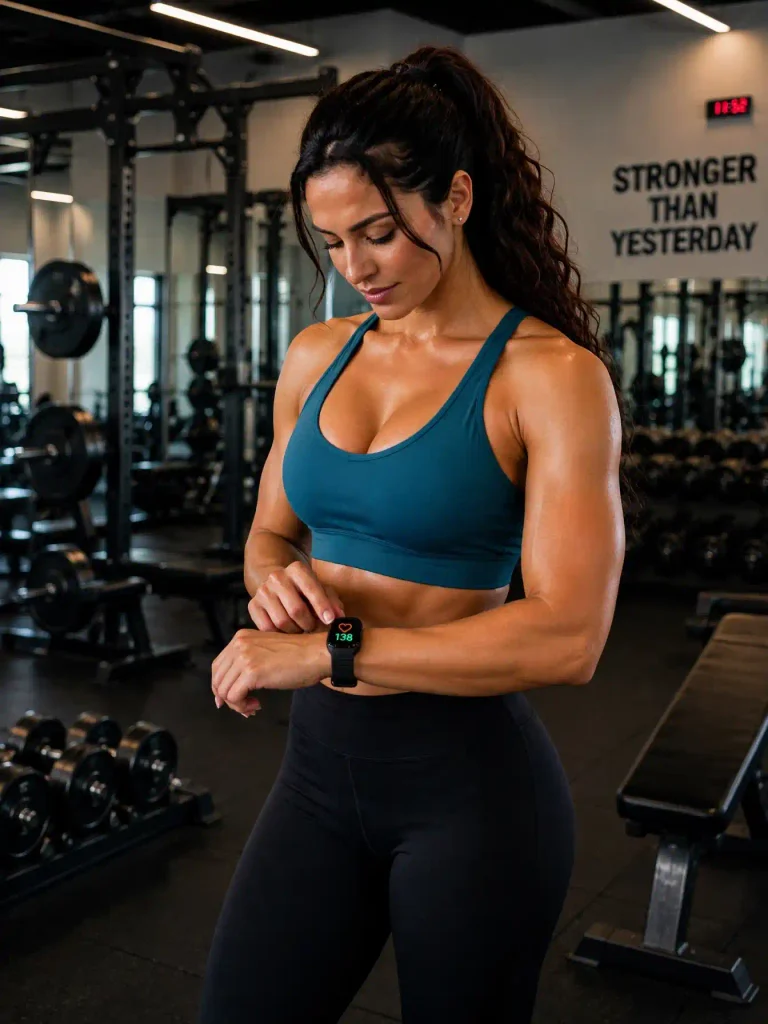
What Is a Fitness Tracker?
A fitness tracker is a wearable electronic device designed to monitor different aspects of your physical activity and general wellness.
Many devices are worn around the wrist, although some are designed to be clipped onto clothing or worn in other ways.
Depending on the model, a fitness tracker may collect information such as:
- Daily step count.
- Heart rate.
- Exercise duration.
- Distance traveled.
- Estimated calories burned.
- Sleep duration.
- Activity levels.
- Heart rate variability (HRV).
- Workout intensity.
Some advanced devices also include GPS tracking, training summaries, and personalized activity recommendations.
Fitness trackers use sensors to collect information and display it through a screen or connected smartphone application.
Although these devices can provide useful estimates, their measurements are not always perfectly accurate. They are best used for observing general patterns rather than making medical decisions.
Why Use a Fitness Tracker for Your Workouts?
A fitness tracker can make it easier to understand your daily activity and recognize patterns in your exercise routine.
Instead of relying entirely on memory, you can use recorded information to see how frequently you exercise, how much you move, and how your habits change over time.
Here are some benefits of using a fitness tracker:
- Monitor daily activity: Track steps, movement, and exercise duration throughout the day.
- Understand heart rate: Observe how your heart rate changes during different activities.
- Track workout progress: Compare your exercise sessions over time.
- Build consistency: Activity reminders can encourage you to move regularly.
- Monitor sleep: Some devices provide information about sleep duration and patterns.
- Support recovery: Measurements such as resting heart rate and HRV can provide additional context about your recovery.
- Stay organized: Workout summaries can help you plan future training sessions.
Remember that a fitness tracker is a tool, not a replacement for a balanced exercise routine or professional health advice.
7 Ways to Use a Fitness Tracker to Improve Your Workout Routine
You do not need to use every feature available on your device. Start with a few measurements that are relevant to your fitness activities.
Here are seven practical ways to get more value from your fitness tracker.
1. Monitor Your Daily Steps
Step counting is one of the simplest features available on most fitness trackers.
It helps you understand how much you move throughout the day, including activities that are not part of a formal workout.
For example, walking to work, taking the stairs, shopping, and going for an evening walk can all contribute to your daily movement.
How to use step tracking:
- Check your usual daily step count.
- Observe how your activity changes throughout the week.
- Look for opportunities to include more comfortable walking.
- Set realistic activity goals based on your current routine.
- Review your progress over time.
You do not need to reach an arbitrary step target every day. Focus on building consistent movement habits that suit your lifestyle.
2. Track Your Heart Rate During Exercise
Many fitness trackers use optical sensors to estimate your heart rate throughout the day and during workouts.
Heart rate information can help you understand how your body responds to different exercise intensities.
For example, your heart rate will generally respond differently during a relaxed walk compared with a more demanding cycling session.
How to use heart rate tracking:
- Check your heart rate during different activities.
- Notice how it changes when exercise becomes more demanding.
- Compare similar workouts over time.
- Use comfortable breathing and how you feel alongside the readings.
- Avoid treating a single heart rate measurement as a complete assessment of fitness.
Some devices display heart rate zones, which estimate different exercise intensity levels.
These zones can be useful for organizing workouts, but their accuracy depends on the device and the information used to calculate them.
3. Record Your Workout Duration
Knowing how long you exercise can help you organize a balanced weekly routine.
Most fitness trackers allow you to start a workout session and record its duration.
You can use this information to understand how much time you spend walking, running, cycling, swimming, or strength training.
Try these simple habits:
- Record your main exercise sessions.
- Review your weekly activity totals.
- Notice which activities you perform most frequently.
- Gradually build your exercise schedule.
- Include lighter sessions and rest days.
For general health, adults are encouraged to work toward at least 150 minutes of moderate-intensity aerobic activity per week, alongside muscle-strengthening activities on at least two days.
A fitness tracker can help you keep track of your activity, but you should adapt your goals to your abilities and health circumstances.
4. Monitor Your Sleep Patterns
Sleep is an important part of a healthy fitness routine.
Some fitness trackers estimate sleep duration and identify periods of movement during the night.
Although these measurements are not as reliable as a professional sleep assessment, they can help you notice general patterns.
How to use sleep tracking:
- Check your approximate sleep duration.
- Observe whether your bedtime is consistent.
- Notice how your sleep changes during demanding training weeks.
- Avoid scheduling challenging workouts too close to bedtime if they affect your sleep.
- Make time for sufficient rest.
Most adults need around seven to nine hours of sleep per night.
Instead of focusing too much on individual sleep scores, prioritize how rested you feel and whether you maintain healthy sleeping habits.
5. Use Recovery Measurements Wisely
Some advanced fitness trackers include measurements such as resting heart rate and heart rate variability (HRV).
These features can provide additional information about changes in your body over time.
For example, your resting heart rate or HRV may change during periods of demanding exercise, poor sleep, stress, or illness.
Ways to use recovery information:
- Observe your resting heart rate over time.
- Compare HRV readings with your personal baseline.
- Consider your sleep and energy levels.
- Allow more recovery when you feel unusually tired.
- Avoid making workout decisions based on one measurement alone.
Fitness tracker recovery scores are estimates. They should be combined with how you feel rather than treated as instructions.
6. Set Realistic Fitness Goals
Many fitness trackers include goal-setting features for steps, activity minutes, workouts, or other measurements.
These features can help you create structure and maintain consistency.
However, goals should be realistic and appropriate for your current activity level.
Examples of practical fitness goals include:
- Taking a comfortable walk several times per week.
- Completing two strength-training sessions.
- Practising Pilates once or twice a week.
- Recording regular cycling sessions.
- Maintaining a consistent sleep schedule.
Start with manageable goals and adjust them as your routine develops.
You do not need to increase every target at the same time.
7. Review Your Progress Weekly
One of the most useful ways to use a fitness tracker is to review your information over time.
Daily readings can fluctuate, but weekly summaries may help you recognize longer-term patterns.
For example, you might notice that you walk more frequently on weekdays or that your workout sessions become more consistent over several weeks.
During your weekly review, consider:
- How frequently did you exercise?
- Which activities did you enjoy most?
- Did you include enough recovery?
- Was your sleep generally consistent?
- Did your routine feel manageable?
- Is there anything you would like to adjust next week?
Use these observations to improve your routine gradually.

Which Fitness Tracker Measurements Matter Most?
Fitness trackers can display many different measurements, but beginners do not need to focus on all of them.
Start with the information that directly supports your exercise habits.
| Measurement | What It Tells You | How It Can Help |
|---|---|---|
| Steps | Daily walking activity | Monitor general movement |
| Heart rate | Estimated heartbeats per minute | Understand exercise intensity |
| Workout duration | Time spent exercising | Organize weekly activity |
| Sleep duration | Estimated time asleep | Observe sleeping habits |
| Resting heart rate | Heart rate during rest | Monitor personal trends |
| HRV | Variation between heartbeats | Understand recovery patterns |
| Distance | Estimated distance traveled | Track walking or running sessions |
You can begin with steps, workout duration, and heart rate before exploring more advanced features.
How to Choose the Right Fitness Tracker
There are many fitness trackers available, and the best choice depends on your activities, preferences, and budget.
You do not necessarily need the most expensive smartwatch to monitor your workouts.
Consider these features before choosing a device.
Heart Rate Monitoring
Look for a device that provides continuous or workout-based heart rate estimates if this information is important to your routine.
GPS Tracking
Built-in GPS can be useful if you regularly run, cycle, or walk outdoors and want to record distance and routes.
Battery Life
A longer battery life can make it easier to wear your device throughout the day and during sleep.
Sleep Tracking
If you want to monitor your sleeping habits, choose a device with sleep-duration tracking.
Water Resistance
Water resistance can be useful for swimming and other activities involving water. Always check the manufacturer’s specifications before using a device in water.
Smartphone Compatibility
Check whether the fitness tracker works with your smartphone and whether its application provides the information you want.
Comfort and Design
Since you may wear the device for several hours each day, choose something comfortable and easy to use.
A Simple Weekly Workout Routine Using a Fitness Tracker
You can combine fitness tracker measurements with a balanced weekly exercise schedule.
Here is an example for beginners.
| Day | Activity | What to Track |
|---|---|---|
| Monday | Full-body strength training | Workout duration and heart rate |
| Tuesday | Walking | Steps and activity duration |
| Wednesday | Beginner Pilates | Workout duration |
| Thursday | Rest or gentle mobility | General activity and sleep |
| Friday | Full-body strength training | Workout duration and heart rate |
| Saturday | Walking or cycling | Distance and activity duration |
| Sunday | Rest and recovery | Sleep and general wellness |
This schedule is flexible. You can adjust the activities according to your experience, available time, and recovery needs.
The purpose of using a fitness tracker is to support your routine, not to make every day a competition.
Common Fitness Tracker Mistakes to Avoid
Fitness trackers can provide useful information, but relying on them too heavily can sometimes create confusion.
Here are some common mistakes beginners should avoid.
Focusing Too Much on Daily Step Targets
Step goals can encourage movement, but missing a target does not mean you have had an unsuccessful day.
Consider your overall activity and how you feel rather than judging your routine by one number.
Treating Calorie Estimates as Exact
Calories burned during exercise are estimates based on information such as heart rate, movement, and personal settings.
These measurements can be inaccurate and should not be treated as precise information about your energy needs.
Ignoring How Your Body Feels
A fitness tracker cannot measure everything about your physical condition.
If you feel unusually tired, dizzy, or unwell, do not ignore those signals because your device displays a positive activity score.
Comparing Your Results With Other People
People have different fitness levels, activity patterns, and physical characteristics.
Use your own measurements to observe personal trends rather than comparing your numbers with someone else’s.
Wearing an Uncomfortable Device
A tracker should be comfortable enough for everyday use.
Make sure it fits according to the manufacturer’s instructions and does not irritate your skin.
Checking Your Tracker Too Frequently
Constantly checking measurements can make exercise feel stressful rather than enjoyable.
Choose a few useful moments to review your activity, such as after workouts or during a weekly summary.
Forgetting About Rest Days
A fitness tracker may encourage you to reach daily activity goals, but that does not mean you need a demanding workout every day.
Rest and lighter activity are important parts of a balanced fitness routine.
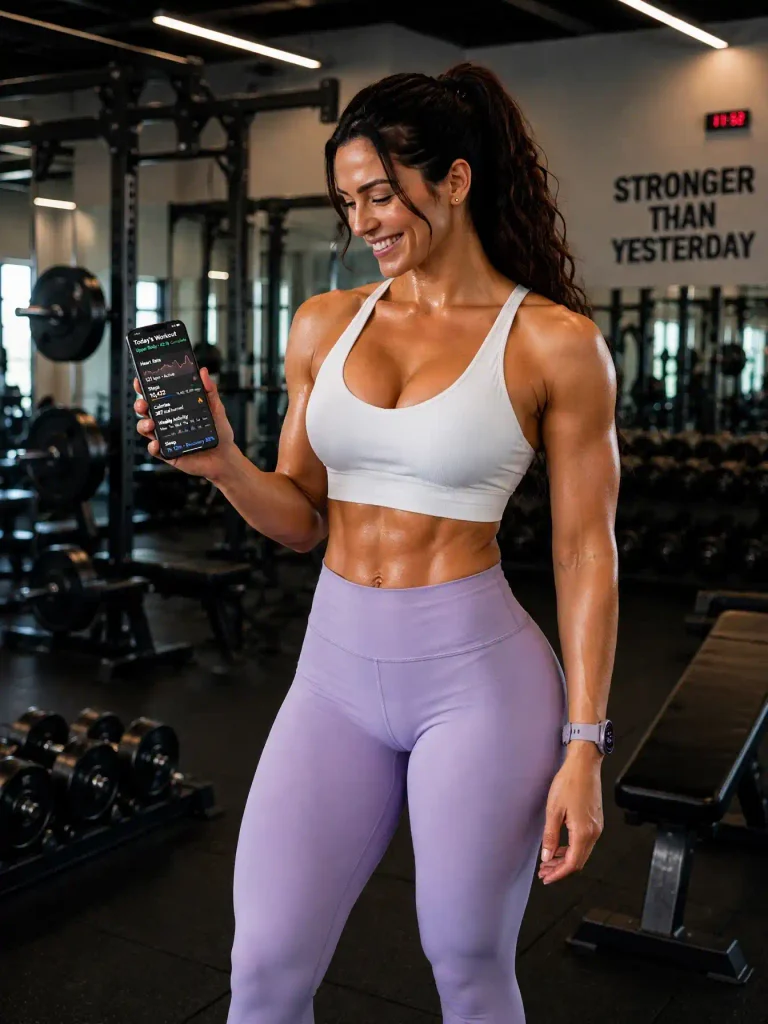
Frequently Asked Questions About Fitness Trackers
Do fitness trackers really improve your workouts?
Fitness trackers can help you monitor activity, understand exercise patterns, and organize your routine. However, the device itself does not improve fitness. The benefits come from using the information to support consistent and appropriate exercise habits.
What should beginners track first?
Beginners can start by monitoring daily steps, workout duration, and heart rate. These measurements provide a simple overview of everyday activity and exercise sessions.
Is a smartwatch better than a fitness band?
Not necessarily. Smartwatches often offer more features, while fitness bands may provide simpler activity tracking and longer battery life. The best option depends on your needs and budget.
Can a fitness tracker measure calories burned accurately?
Fitness trackers estimate calorie expenditure using sensors and personal information. These estimates can differ from actual energy expenditure, so they should not be treated as exact measurements.
Should I wear my fitness tracker all day?
You can wear it during the day if you find it comfortable and useful. Some people also wear trackers during sleep to collect sleep-related information. Follow the manufacturer’s recommendations for comfort and skin care.
Can a fitness tracker measure heart rate accurately?
Many modern devices provide useful heart rate estimates during everyday activities and exercise. However, accuracy can vary depending on the device, fit, movement, and activity type.
Are expensive fitness trackers worth buying?
Not everyone needs an expensive device. A basic fitness band may provide everything a beginner needs, including step counting, heart rate monitoring, and workout tracking.
Can fitness trackers help with workout recovery?
Some devices provide sleep, resting heart rate, and HRV measurements that can offer additional information about recovery patterns. However, these measurements should be considered alongside your energy levels, comfort, and general well-being.
Final Thoughts
A fitness tracker can be a useful addition to your workout routine, especially if you want to understand your daily activity and develop more consistent exercise habits.
By monitoring steps, heart rate, workout duration, sleep, and other measurements, you can learn more about your activity patterns and make informed adjustments to your schedule.
However, remember that the numbers on your screen do not tell the whole story. A fitness tracker cannot replace healthy habits, appropriate recovery, or professional medical advice.
Start with a few simple features, set realistic goals, and review your progress over time.
The best way to use a fitness tracker is to let it support your fitness journey without allowing numbers to control it.


Comments are closed.
[…] HRV can change depending on sleep, stress, physical activity, and other factors. It is most useful when viewed as a personal trend rather than compared with another person’s readings. […]