


Rest days are an important part of every balanced fitness routine. After walking, running, strength training, or Pilates, your body needs time to recover and adapt. But does taking a rest day mean you have to spend the entire day sitting still?
Active Recovery Workouts: What to Do on Rest Days Not necessarily. Active recovery is a gentle approach to movement that can help you stay comfortable and maintain your regular activity habits without adding another demanding workout to your schedule.
Activities such as easy walking, gentle stretching, relaxed cycling, and beginner-friendly mobility exercises can all be part of an active recovery day.
In this guide, you’ll discover what active recovery means, its potential benefits, the best activities to try, and how to create a simple rest-day routine that fits your lifestyle.
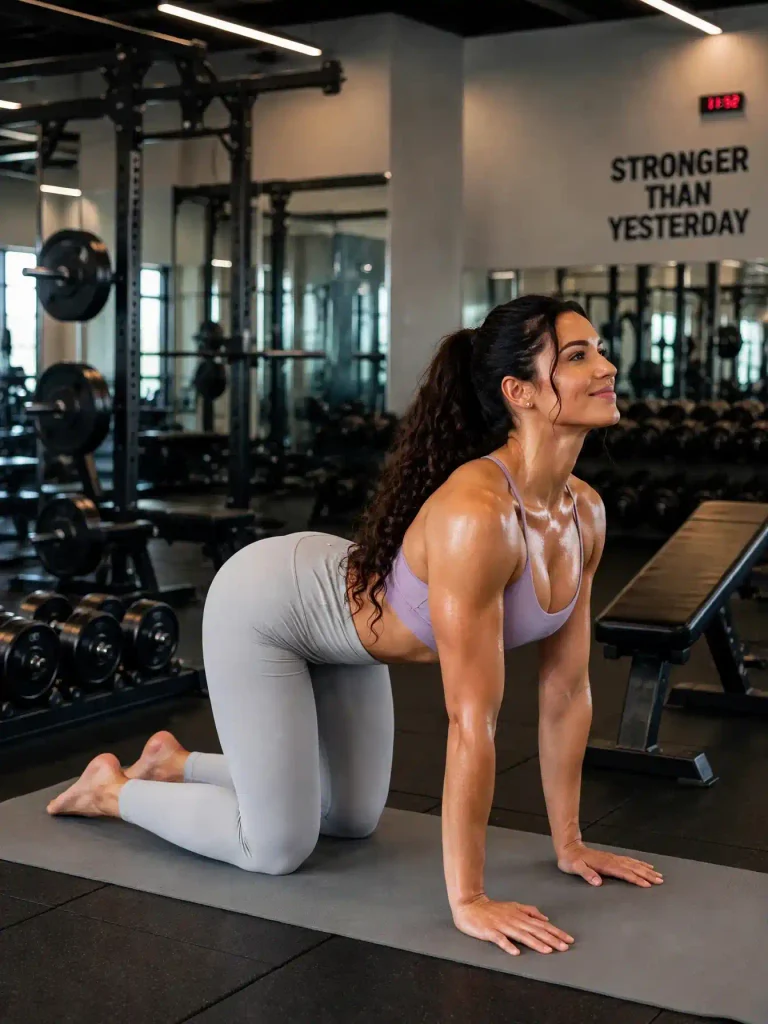
What Is Active Recovery?
Active recovery means doing gentle, low-intensity physical activity instead of complete rest.
The goal is to keep your body moving without placing the same demands on it as a regular workout.
For example, if you completed a strength-training session yesterday, an active recovery day might include a comfortable walk, a few gentle mobility exercises, or relaxed cycling.
Active recovery is different from another training session. You should finish feeling comfortable rather than exhausted.
It is also important to remember that complete rest is sometimes the better choice, especially when you are feeling unwell, unusually tired, or recovering from an injury.
Benefits of Active Recovery Workouts
Gentle movement can be a useful part of a balanced fitness routine. Here are some reasons people include active recovery in their weekly schedule.
1. Keeps You Moving Between Workouts
Rest days do not always need to mean complete inactivity. Gentle activities can help you maintain a regular movement habit without doing another demanding workout.
2. Supports Comfortable Movement
Walking and gentle mobility exercises move your joints through comfortable ranges of motion. This can help you feel less stiff after spending long periods sitting or following a demanding exercise session.
3. Helps You Manage Workout Fatigue
Replacing an intense session with gentle movement gives you a break from demanding training. It can help you avoid adding unnecessary exercise stress when your body needs recovery.
4. Supports Relaxation and Well-Being
A relaxed walk outdoors, gentle stretching, or easy cycling can provide a pleasant break from daily routines.
5. Makes Your Weekly Routine More Balanced
Active recovery gives you an opportunity to stay active while leaving room for rest, sleep, and other recovery habits.
8 Best Active Recovery Workouts to Try on Rest Days
You do not need special equipment or a complicated routine. These beginner-friendly activities can be adjusted to your comfort level.
1. Easy Walking
<AsyncImage query=”person enjoying relaxed easy walk in green park natural peaceful morning fitness lifestyle photography” aspectRatio=”16:9″ width=”100%”/>
Walking is one of the simplest active recovery activities.
Choose a comfortable pace and a route that allows you to relax. You should be able to speak easily without feeling out of breath.
How to try it:
- Walk at a relaxed pace.
- Choose flat, comfortable terrain.
- Keep your steps natural.
- Stop whenever you feel tired or uncomfortable.
Suggested duration: 10–30 minutes, depending on how you feel.
2. Gentle Full-Body Stretching
<AsyncImage query=”person doing gentle full body stretching on exercise mat in bright peaceful home fitness studio” aspectRatio=”16:9″ width=”100%”/>
Gentle stretching can help you move comfortably after a busy training week.
Focus on relaxed movements rather than forcing your body into deeper positions.
Try these stretches:
- Standing shoulder stretch
- Gentle chest opener
- Seated hamstring stretch
- Standing calf stretch
- Comfortable hip stretch
Suggested duration: 5–10 minutes.
Move slowly and avoid bouncing or pushing into pain.
3. Beginner Mobility Flow
<AsyncImage query=”woman performing gentle mobility exercises on yoga mat at home wellness fitness studio” aspectRatio=”16:9″ width=”100%”/>
Mobility exercises involve moving your joints through controlled and comfortable ranges of motion.
A simple mobility flow can include:
- Shoulder circles
- Gentle arm reaches
- Cat-cow movement
- Standing hip circles
- Ankle circles
Perform each movement slowly and focus on smooth, comfortable motion.
Suggested duration: 5–10 minutes.
4. Easy Cycling
<AsyncImage query=”person riding bicycle slowly along peaceful green park path recreational cycling” aspectRatio=”16:9″ width=”100%”/>
Relaxed cycling can be a good option if you enjoy riding a bicycle.
Choose a flat route or use a stationary bike with low resistance.
How to try it:
- Start at an easy pace.
- Keep the resistance comfortable.
- Avoid challenging hills or intense intervals.
- Finish before you feel exhausted.
Suggested duration: 10–20 minutes.
5. Gentle Yoga
<AsyncImage query=”beginner gentle restorative yoga session on mat in bright calm room natural light” aspectRatio=”16:9″ width=”100%”/>
Gentle yoga combines comfortable movement, balance, breathing, and stretching.
A beginner-friendly session might include:
- Child’s pose
- Cat-cow
- Seated forward reach
- Gentle seated twist
- Comfortable standing stretches
Choose a slow session and avoid advanced poses that require significant strength or flexibility.
Suggested duration: 10–20 minutes.
6. Swimming at an Easy Pace
<AsyncImage query=”person swimming relaxed easy laps in clean indoor swimming pool wellness fitness photography” aspectRatio=”16:9″ width=”100%”/>
If you enjoy swimming, a relaxed session can provide gentle movement without the same impact as some land-based activities.
Keep the pace comfortable and take breaks whenever needed.
Suggested duration: 10–20 minutes.
Swimming is optional, so there is no need to visit a pool if walking or stretching works better for you.
7. Gentle Pilates
<AsyncImage query=”beginner gentle mat pilates exercise at home bright minimalist wellness studio” aspectRatio=”16:9″ width=”100%”/>
A gentle Pilates session can help you practise controlled movement, breathing, and body awareness.
Choose beginner exercises that do not leave your muscles feeling exhausted.
Examples include:
- Pelvic tilts
- Gentle knee folds
- Arm reaches
- Comfortable spine movements
- Easy breathing exercises
Suggested duration: 10–15 minutes.

8. Relaxed Nature Walk
<AsyncImage query=”peaceful nature trail walking path surrounded by trees sunlight relaxing outdoor wellness photography” aspectRatio=”16:9″ width=”100%”/>
A relaxed walk in a park or natural setting combines gentle movement with a change of scenery.
There is no need to track distance or speed. Enjoy the surroundings and move at a pace that feels comfortable.
Suggested duration: 15–30 minutes.
A Simple 20-Minute Active Recovery Routine
If you prefer following a short plan, try this beginner-friendly routine on a day when gentle movement feels appropriate.
| Activity | Duration |
|---|---|
| Easy walking or marching | 5 minutes |
| Shoulder circles and arm reaches | 2 minutes |
| Cat-cow movement | 2 minutes |
| Gentle hip and ankle mobility | 3 minutes |
| Comfortable stretching | 5 minutes |
| Relaxed breathing | 3 minutes |
Keep the entire routine easy. You should be able to breathe comfortably and move without forcing any position.
You can shorten the routine or skip it entirely if you need more rest.
Active Recovery vs Complete Rest: What’s the Difference?
Both active recovery and complete rest have an important place in a healthy fitness routine.
| Active Recovery | Complete Rest |
|---|---|
| Involves gentle movement | Involves taking a break from planned exercise |
| May include walking or stretching | May include relaxing and everyday activities |
| Keeps activity levels light | Reduces additional exercise demands |
| Suitable when gentle movement feels comfortable | Useful when you feel tired, unwell, or need extra recovery |
Neither option is automatically better. The right choice depends on how you feel and what your body needs.
How Often Should You Do Active Recovery?
There is no fixed number of active recovery days that works for everyone.
Your weekly schedule depends on your usual activities, experience, energy levels, and recovery needs.
For example, someone who enjoys strength training might include comfortable walking or gentle mobility between training sessions.
A person who exercises less frequently may simply choose to take a relaxed walk on days when they feel like moving.
The important thing is to avoid turning every rest day into another demanding workout.
Signs You May Need Complete Rest Instead
Sometimes the best recovery activity is no planned exercise at all.
Consider taking a complete rest day if you experience:
- Unusual or persistent tiredness
- Feeling unwell or having a fever
- Pain that affects normal movement
- Significant discomfort after exercise
- Poor energy that makes everyday activities difficult
If you have an injury, ongoing pain, or symptoms that concern you, seek advice from an appropriate healthcare professional.
Rest is not a setback. It is a normal part of maintaining a balanced approach to exercise.
Common Active Recovery Mistakes to Avoid
1. Making Recovery Workouts Too Intense
If your active recovery session leaves you exhausted, it may be too demanding. Reduce the pace or choose a gentler activity.
2. Ignoring Signs of Fatigue
Do not force yourself to exercise simply because your schedule says it is a recovery day. It is okay to rest completely.
3. Stretching Too Aggressively
Stretching should feel comfortable. Avoid forcing a deeper position or continuing when you experience pain.
4. Tracking Every Minute
You do not need to monitor every step or calorie on a recovery day. Focus on comfort and enjoyment.
5. Forgetting About Sleep and Nutrition
Recovery involves more than exercise. Regular meals, adequate hydration, and enough sleep all contribute to general well-being.
Frequently Asked Questions About Active Recovery
What is the best active recovery workout?
Easy walking is one of the simplest options. Gentle cycling, mobility exercises, relaxed swimming, and beginner yoga are also suitable choices when they feel comfortable.
Can I walk on rest days?
Yes. A comfortable walk can be part of an active recovery day. Keep the pace relaxed rather than treating it as another fitness challenge.
How long should an active recovery workout last?
There is no required duration. A short 5–20-minute session may be enough, while some people prefer a longer relaxed walk. Let comfort guide the activity.
Is yoga good for active recovery?
Gentle yoga can be a useful option because it combines comfortable movement, breathing, and mobility. Choose a beginner-friendly session rather than a demanding class.
Should I do active recovery after strength training?
You can choose gentle movement the day after strength training if you feel comfortable. If your muscles are very tired or you feel unwell, complete rest may be more appropriate.
Can active recovery help with muscle soreness?
Gentle movement may temporarily help some people feel less stiff. However, it does not guarantee faster muscle recovery, and painful or worsening soreness should not be ignored.
Is it okay to take two rest days in a row?
Yes. Taking more than one rest day can be appropriate, depending on your activity level, energy, and recovery needs. There is no requirement to exercise every day.
Final Thoughts
Active recovery workouts are a simple way to include gentle movement in your fitness routine without making every day a training day.
Activities such as walking, stretching, mobility exercises, easy cycling, and gentle yoga can help you stay comfortable while giving yourself a break from demanding workouts.
Remember that recovery looks different for everyone. Some days you may enjoy a relaxed walk, while other days complete rest is exactly what you need.
Build a routine that balances enjoyable movement, enough sleep, regular meals, and recovery. Consistency is about finding a healthy rhythm, not exercising every single day.



Comments are closed.
[…] beginners, combining running and strength training can seem challenging at first. How many days should you run? When should you lift weights? And how much recovery do you need between […]