


What if you could improve your running endurance while also developing strength? You do not have to choose between running and lifting weights. Hybrid training combines different types of exercise to create a balanced fitness routine that works on cardiovascular endurance, muscular strength, and overall movement.
For beginners, combining running and strength training can seem challenging at first. How many days should you run? When should you lift weights? And how much recovery do you need between sessions?
Hybrid Training for Beginners: How to Combine Running and Strength Training The key is to start gradually and give each type of training enough attention without making your weekly schedule too demanding.
In this guide, you’ll learn what hybrid training means, the benefits of combining running and strength workouts, the best beginner exercises, and how to build a simple weekly routine.

What Is Hybrid Training?
Hybrid training is a fitness approach that combines two or more types of exercise to develop different physical abilities.
One popular form is combining:
- Running: Develops cardiovascular endurance and helps improve aerobic fitness.
- Strength training: Builds muscular strength and supports everyday movement.
- Mobility work: Helps maintain comfortable movement and flexibility.
- Recovery activities: Give your body time to rest between demanding sessions.
Instead of focusing only on running or strength workouts, hybrid training brings them together in one balanced routine.
It is suitable for different experience levels, provided the exercises, intensity, and training frequency are adjusted to the individual.
Benefits of Combining Running and Strength Training
Running and strength training work different parts of your fitness. Combining them can offer several advantages.
1. Develops Cardiovascular Endurance
Running challenges your heart and lungs to support sustained physical activity.
With regular, gradual practice, you can improve your ability to maintain comfortable aerobic activity.
2. Builds Muscular Strength
Strength exercises such as squats, rows, lunges, and push-ups target major muscle groups.
Developing strength can support everyday activities and help you feel more confident during physical movement.
3. Creates a More Balanced Fitness Routine
Running focuses mainly on cardiovascular endurance, while resistance training provides a different type of challenge.
Including both gives your weekly routine more variety.
4. Supports Functional Movement
Exercises such as step-ups, hip hinges, and squats involve movement patterns used in everyday life.
Learning these movements can help develop coordination and general physical capability.
5. Keeps Workouts Interesting
Alternating between running, strength training, and mobility work can make exercise more enjoyable.
You can also choose different activities depending on your interests, schedule, and available equipment.
How to Start Hybrid Training as a Beginner
You do not need to run long distances or lift heavy weights to begin hybrid training.
Start with manageable sessions and build your routine gradually.
Step 1: Build a Comfortable Running Foundation
If you are new to running, begin with a combination of walking and easy jogging.
For example:
- Walk comfortably for a few minutes.
- Add a short period of easy jogging if it feels manageable.
- Return to walking when needed.
- Finish with a relaxed pace.
Repeat this approach according to your comfort and experience.
You should not feel pressured to run continuously. Walking is a useful part of learning to run.
Step 2: Learn Basic Strength Exercises
Before adding complicated movements, practise simple exercises using body weight or light resistance.
Good beginner options include:
- Bodyweight squats
- Glute bridges
- Wall or incline push-ups
- Resistance-band rows
- Step-ups on a stable, low step
- Bird dogs
Focus on controlled movement rather than lifting heavier weights.
Step 3: Avoid Making Every Session Intense
Running and strength training both place demands on your body.
Keep most beginner sessions comfortable and avoid scheduling demanding workouts every day.
Step 4: Include Recovery Days
Rest is an important part of hybrid training.
You can use recovery days for gentle walking or mobility exercises when comfortable, or take complete rest when needed.
7 Best Strength Exercises for Beginner Runners
You can perform these exercises at home or in the gym. Start with comfortable variations and focus on technique.
1. Bodyweight Squats
<AsyncImage query=”fitness beginner demonstrating bodyweight squat exercise side view clean bright home workout studio” aspectRatio=”16:9″ width=”100%”/>
Main muscles worked: Quadriceps, glutes, hamstrings, and core.
Squats help develop lower-body strength and practise a movement pattern used in everyday activities.
How to do it:
- Stand with your feet comfortably apart.
- Keep your chest in a natural upright position.
- Bend your hips and knees to lower into a comfortable squat.
- Keep your feet stable on the floor.
- Return to standing with control.
Beginner suggestion: Start with 8–10 comfortable repetitions.
2. Glute Bridges
<AsyncImage query=”person performing glute bridge exercise on fitness mat side view bright home gym” aspectRatio=”16:9″ width=”100%”/>
Main muscles worked: Glutes and hamstrings.
Glute bridges are a simple floor exercise that helps develop hip-extension strength.
How to do it:
- Lie on your back with your knees bent.
- Place your feet flat on the floor.
- Gently tighten your abdominal muscles.
- Lift your hips comfortably.
- Pause briefly and lower slowly.
Beginner suggestion: Try 8–12 repetitions.
3. Reverse Lunges
<AsyncImage query=”woman demonstrating beginner reverse lunge exercise in bright fitness studio side view” aspectRatio=”16:9″ width=”100%”/>
Main muscles worked: Quadriceps, glutes, and hamstrings.
Reverse lunges introduce a single-leg movement that can help develop balance and lower-body strength.
How to do it:
- Stand comfortably upright.
- Step one foot backward.
- Bend both knees within a comfortable range.
- Push through your front foot to return to standing.
- Repeat on the other side.
Beginner suggestion: Start with 6 repetitions per side. Use a stable support if needed.
4. Step-Ups
<AsyncImage query=”beginner fitness step up exercise on low stable exercise platform home gym” aspectRatio=”16:9″ width=”100%”/>
Main muscles worked: Quadriceps, glutes, and hamstrings.
Step-ups practise controlled stepping movements and can be adapted to different ability levels.
How to do it:
- Stand in front of a stable, low step.
- Place one foot securely on the platform.
- Push through that foot to step up.
- Bring the other foot onto the platform.
- Step down carefully and repeat.
Beginner suggestion: Try 6–8 repetitions per side using a low platform.
5. Incline Push-Ups
<AsyncImage query=”person performing incline push up with hands on sturdy bench fitness studio” aspectRatio=”16:9″ width=”100%”/>
Main muscles worked: Chest, shoulders, triceps, and core.
Incline push-ups train the upper body while allowing you to adjust the difficulty by changing the height of your hand support.
How to do it:
- Place your hands on a stable bench or wall.
- Step your feet backward.
- Keep your body in a comfortable straight line.
- Bend your elbows to lower your chest toward the support.
- Push back to the starting position.
Beginner suggestion: Start with 6–10 repetitions.
6. Resistance Band Rows
<AsyncImage query=”person performing resistance band seated row exercise fitness studio” aspectRatio=”16:9″ width=”100%”/>
Main muscles worked: Upper back, lats, and arms.
Rows help balance a beginner’s routine by adding an upper-body pulling movement.

How to do it:
- Secure a suitable resistance band according to its instructions.
- Hold the handles with your arms extended.
- Sit or stand in a stable position.
- Pull your hands toward your torso.
- Slowly return to the starting position.
Beginner suggestion: Try 8–12 controlled repetitions.
7. Bird Dogs
<AsyncImage query=”person performing bird dog core stability exercise on yoga mat side view” aspectRatio=”16:9″ width=”100%”/>
Main muscles worked: Core and stabilizing muscles.
Bird dogs are a controlled exercise that encourages coordination and trunk stability.
How to do it:
- Start on your hands and knees.
- Keep your back in a comfortable neutral position.
- Slowly extend one arm and the opposite leg.
- Pause briefly while maintaining balance.
- Return to the starting position.
- Repeat on the other side.
Beginner suggestion: Start with 5–8 repetitions per side.
Beginner Running Workouts to Combine With Strength Training
Your running sessions do not need to be complicated. Start with comfortable workouts that allow you to develop consistency.
1. Walk-and-Jog Session
A walk-and-jog session is a practical introduction to running.
Alternate comfortable walking with short periods of easy jogging. Adjust the intervals according to your experience and energy.
2. Easy Continuous Run
If you can already jog comfortably, try a short easy run at a pace that allows you to speak in sentences.
The goal is to practise steady movement rather than speed.
3. Comfortable Recovery Walk
A relaxed walk can be included between training sessions or on a rest day when you feel comfortable.
It does not need to be timed or treated as another workout challenge.
A Simple 7-Day Hybrid Training Schedule for Beginners
The following example shows how running and strength training can fit into one balanced week.
| Day | Activity | Focus |
|---|---|---|
| Monday | Easy walk-and-jog | Running practice |
| Tuesday | Beginner strength workout | Full-body strength |
| Wednesday | Rest or gentle mobility | Recovery |
| Thursday | Comfortable easy run | Cardiovascular endurance |
| Friday | Beginner strength workout | Full-body strength |
| Saturday | Relaxed walk or enjoyable activity | Light movement |
| Sunday | Complete rest | Recovery |
This is an example, not a strict schedule. If you are completely new to exercise, start with fewer sessions and increase gradually as your confidence and recovery allow.
You can also move the days around to fit your school, work, or personal schedule.
How to Balance Running and Strength Training
One of the most important parts of hybrid training is managing the amount of exercise you do each week.
Here are some useful principles.
Give Different Workouts Enough Space
If possible, avoid placing your most demanding running and strength sessions too close together.
This gives you more opportunity to recover between different types of exercise.
Keep Beginner Runs Comfortable
You do not need to make every run fast or challenging.
Comfortable running and walk-and-jog sessions are useful ways to build experience.
Use Manageable Resistance
Choose strength exercises that you can perform with good control.
You can begin with body weight before adding resistance bands, dumbbells, or kettlebells.
Adjust Your Schedule When Needed
If you feel unusually tired or uncomfortable, reduce the demands of your next session or take a rest day.
Your training schedule should support your well-being rather than become a source of pressure.
Common Hybrid Training Mistakes to Avoid
1. Increasing Running Distance Too Quickly
Suddenly adding long runs or frequent running sessions can make your routine difficult to manage.
Build your running time gradually and include comfortable walking breaks when needed.
2. Ignoring Strength Training Technique
Performing more repetitions does not help if you cannot control the movement.
Learn the basic exercise patterns before increasing resistance.
3. Training Hard Every Day
More demanding exercise is not automatically better. A balanced routine includes comfortable sessions, rest, and recovery.
4. Skipping Warm-Ups
Begin running and strength sessions with a few minutes of easy movement appropriate for the activity.
5. Comparing Your Progress With Other People
Everyone starts from a different place. Focus on learning, consistency, and how comfortably you can perform your activities.
Recovery Tips for Hybrid Training Beginners
Recovery supports your ability to keep exercising regularly.
Consider these simple habits:
- Prioritize sleep: A regular sleep schedule supports general health and recovery.
- Eat regular balanced meals: Your body needs energy and nutrients for everyday activities and exercise.
- Stay hydrated: Drink fluids regularly, especially in warm weather.
- Take rest days: Do not feel obligated to exercise every day.
- Pay attention to discomfort: Stop an activity if you experience sharp pain or unusual symptoms.
If you have an injury or health condition that affects exercise, seek appropriate professional advice before starting a new routine.
Frequently Asked Questions About Hybrid Training
What is hybrid training for beginners?
Hybrid training combines different types of exercise, often running and strength training, to develop cardiovascular endurance and muscular strength within one routine.
Can I run and strength train in the same week?
Yes. Many people include both activities in their weekly schedule. Beginners should start with manageable sessions and allow enough recovery between demanding workouts.
How many days a week should beginners do hybrid training?
There is no universal number. A beginner might start with two running sessions and one or two strength sessions, depending on experience and recovery needs.
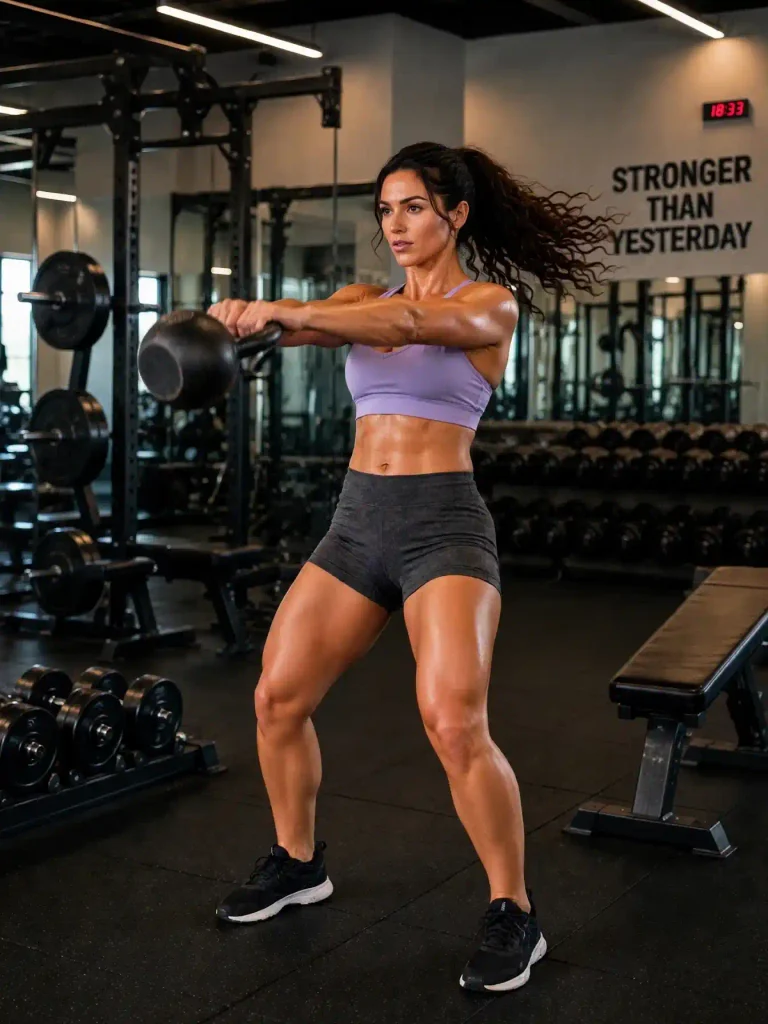
Should I run before or after strength training?
It depends on your priorities and the type of session. If both activities are performed in one workout, consider doing the activity that is most important to your session first. You can also separate them into different days.
Can I do hybrid training at home?
Yes. You can practise running outdoors or on a treadmill and complete basic strength exercises at home using body weight or simple resistance equipment.
Is hybrid training suitable for people who are new to exercise?
It can be adapted for beginners. Start with comfortable walking, basic strength exercises, and enough recovery time before increasing your activity.
Do I need gym equipment for hybrid training?
No. Bodyweight exercises can provide a useful starting point. Resistance bands and light weights are optional additions.
Final Thoughts
Hybrid training offers a flexible way to combine running and strength training without focusing on just one type of exercise.
For beginners, the best approach is to start with comfortable running sessions, learn basic strength movements, and build a weekly schedule that includes recovery.
You do not need long distances, heavy weights, or complicated workouts to get started. Focus on good technique, enjoyable movement, and gradual progress.
A balanced routine is one you can maintain while giving your body enough time to rest and recover.



Comments are closed.
[…] Pickleball benefit: Develops hip and lower-body strength. […]