
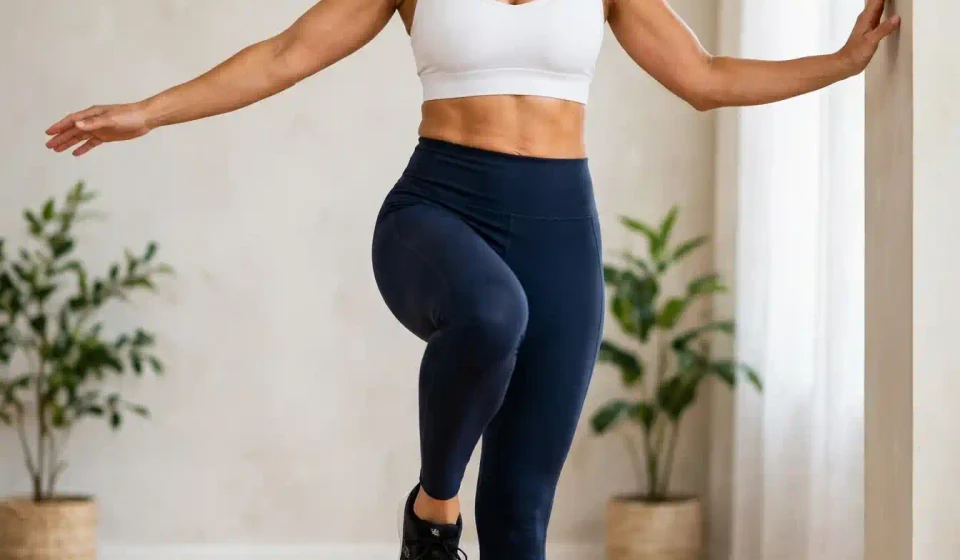

Staying active is important at every stage of life. For older adults, regular physical activity can support mobility, balance, strength, and independence. The good news is that getting started doesn’t require an expensive gym membership or complicated workout equipment.
Fitness Programs for Older Adults: A Beginner’s Guide A well-planned fitness program for older adults can include simple activities such as walking, gentle strength exercises, stretching, and balance practice. The goal is to build confidence, maintain everyday movement, and enjoy an active lifestyle at a comfortable pace.
Whether you’re returning to exercise after a break or trying a fitness routine for the first time, this beginner’s guide explains how to get started safely and create a balanced weekly program.
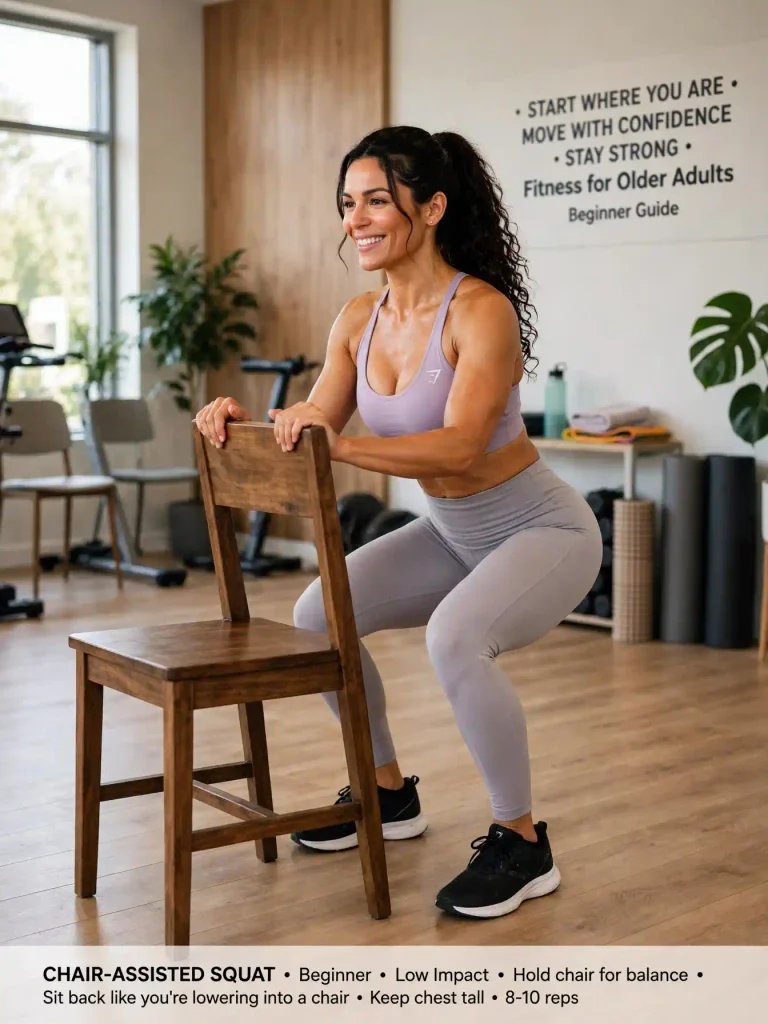
Why Is Exercise Important for Older Adults?
Regular physical activity offers several benefits for healthy aging. It can help older adults stay active, manage everyday tasks, and maintain confidence in their movements.
Here are some important benefits:
1. Supports Muscle Strength
Muscle strength naturally changes with age. Gentle resistance exercises can help maintain strength and make everyday activities, such as carrying groceries or getting up from a chair, easier.
2. Improves Balance and Coordination
Balance exercises help develop body awareness and movement control. Practicing simple movements can support confidence when walking, turning, and changing direction.
3. Helps Maintain Mobility
Gentle stretching and mobility exercises can help older adults move their joints comfortably and maintain flexibility for everyday activities.
4. Supports Heart Health
Activities such as walking, cycling, and swimming get the heart working. Regular moderate activity can support cardiovascular fitness.
5. Supports Mental Well-Being
Physical activity can help improve mood, reduce everyday stress, and provide opportunities for social interaction, especially when exercising with friends or joining a group class.
6. Encourages Independence
Maintaining strength, balance, and mobility can make everyday activities more manageable and support independence over time.
The Main Types of Exercise Older Adults Should Include
A balanced fitness program should include several types of physical activity rather than focusing on just one.
1. Aerobic Exercise
<AsyncImage query=”older adults walking together outdoors on a park pathway healthy active lifestyle” aspectRatio=”16:9″ width=”100%”/>
Aerobic activities increase your heart rate and help improve endurance.
Good beginner-friendly options include:
- Walking
- Swimming
- Water aerobics
- Stationary cycling
- Gentle dancing
Start with short sessions and gradually build up your activity as your fitness improves.
2. Strength Training
<AsyncImage query=”older adult woman performing seated resistance band exercise with instructor senior fitness” aspectRatio=”16:9″ width=”100%”/>
Strength exercises help maintain the muscles needed for everyday activities.
Examples include:
- Chair squats or sit-to-stands
- Wall push-ups
- Resistance band rows
- Seated leg extensions
- Light dumbbell exercises
Beginners should use comfortable resistance and focus on controlled movements.
3. Balance Exercises
<AsyncImage query=”senior adult practicing supported single leg balance beside sturdy chair at home” aspectRatio=”16:9″ width=”100%”/>
Balance training helps improve stability and coordination.
Some simple options are:
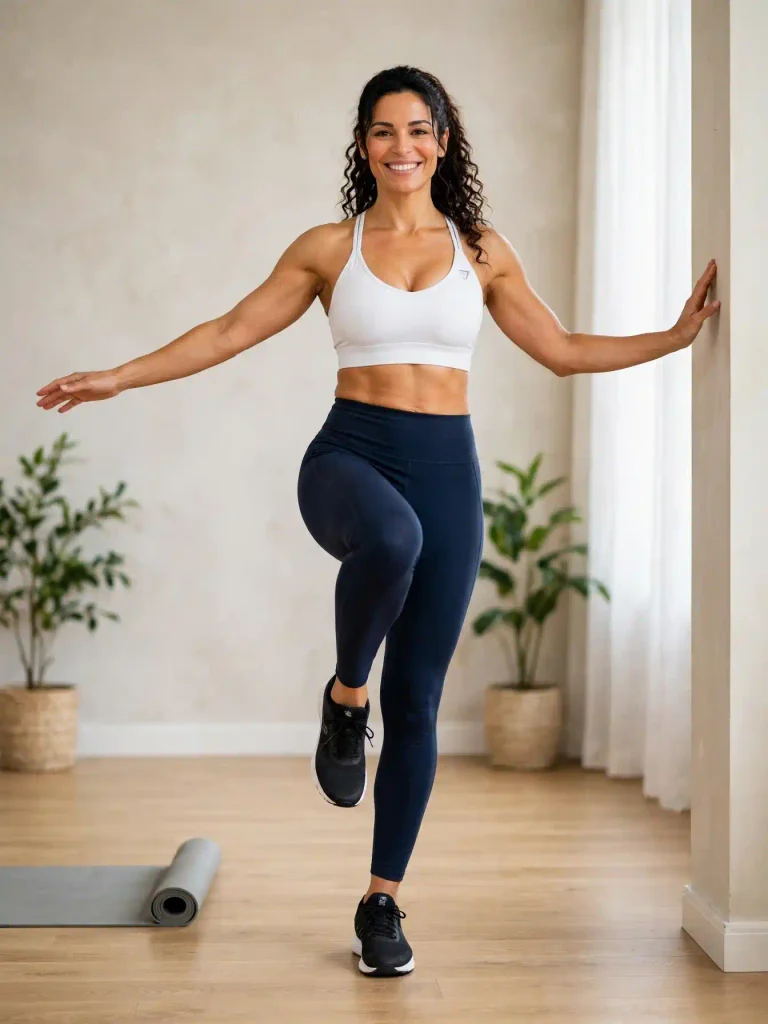
- Standing on one foot while holding a sturdy chair
- Heel-to-toe standing
- Sideways walking
- Controlled weight shifting
Always use a stable support when learning new balance exercises.
4. Flexibility and Mobility Exercises
<AsyncImage query=”older adult doing gentle seated stretching exercise on chair in bright home” aspectRatio=”16:9″ width=”100%”/>
Gentle stretching helps maintain comfortable movement and flexibility.
Try:
- Shoulder rolls
- Seated upper-body twists
- Ankle circles
- Gentle calf stretches
- Seated hamstring stretches
Move slowly and avoid forcing a stretch.
8 Beginner-Friendly Exercises for Older Adults
The following exercises can be adapted to different ability levels. Use a sturdy chair or wall for support whenever needed.
1. Chair Sit-to-Stand
<AsyncImage query=”senior adult chair sit to stand exercise demonstration side view” aspectRatio=”16:9″ width=”100%”/>
This movement helps practice the strength and coordination needed to get up from a chair.
How to do it:
- Sit toward the front of a sturdy chair.
- Place your feet flat on the floor.
- Lean forward slightly from your hips.
- Push through your feet and stand up slowly.
- Lower yourself back into the chair with control.
Start with 5 repetitions if comfortable. Use your hands for support if needed.
2. Wall Push-Ups
<AsyncImage query=”older adult performing wall push up exercise correct form senior fitness” aspectRatio=”16:9″ width=”100%”/>
Wall push-ups help strengthen the upper body without requiring you to get down on the floor.
How to do it:
- Stand facing a wall.
- Place your palms against it around shoulder height.
- Take a small step backward.
- Bend your elbows and bring your chest toward the wall.
- Push gently back to the starting position.
Try 5 to 10 controlled repetitions.
3. Seated Leg Extensions
<AsyncImage query=”older woman seated knee leg extension exercise on sturdy chair senior fitness” aspectRatio=”16:9″ width=”100%”/>
This exercise works the muscles at the front of your thighs.
How to do it:
- Sit upright in a sturdy chair.
- Keep one foot flat on the floor.
- Slowly straighten the opposite knee.
- Pause briefly without locking the knee.
- Lower your foot and repeat on the other side.
Start with 5 to 8 repetitions per leg.
4. Standing Calf Raises
<AsyncImage query=”older adult standing calf raises holding back of sturdy chair exercise” aspectRatio=”16:9″ width=”100%”/>
Calf raises help strengthen the lower legs and practice controlled movement.
How to do it:
- Stand behind a sturdy chair.
- Hold the chair for balance.
- Slowly lift your heels.
- Pause briefly at the top.
- Lower your heels gently.
Try 5 to 10 repetitions.
5. Seated Marching
<AsyncImage query=”senior woman seated marching exercise chair lifting one knee at a time” aspectRatio=”16:9″ width=”100%”/>
Seated marching is a gentle way to practice leg movement and coordination.
How to do it:
- Sit upright with both feet on the floor.
- Lift one knee slightly.
- Lower it slowly.
- Repeat with the other leg.
- Continue alternating sides.
Try 10 alternating repetitions.
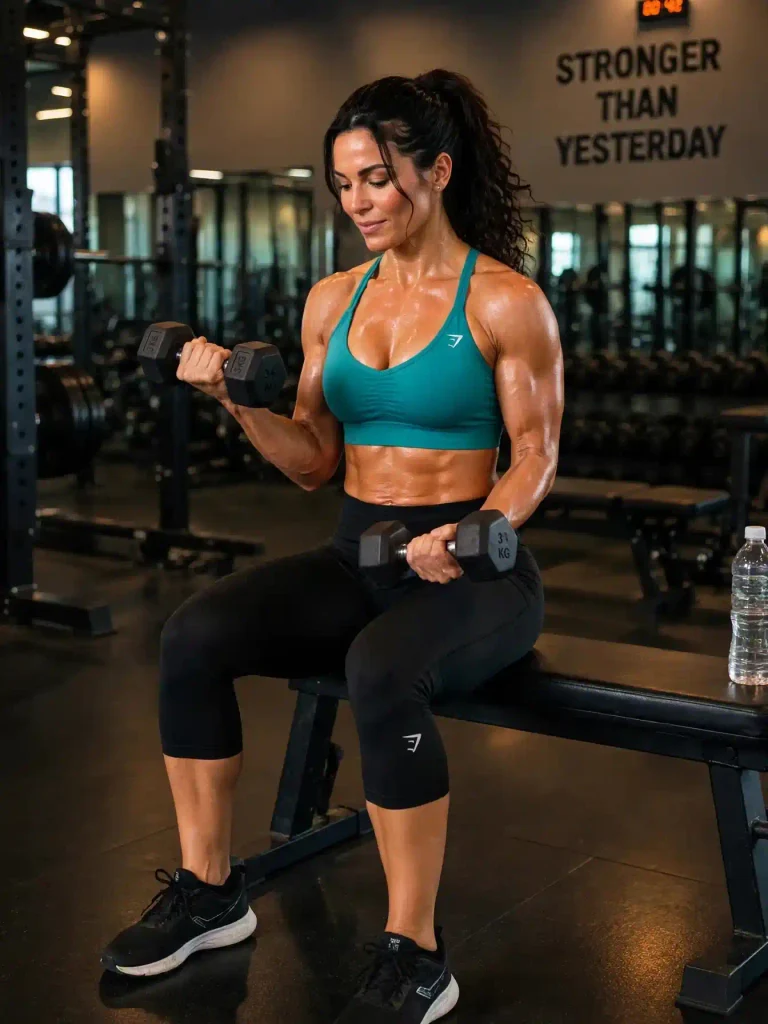
6. Standing Side Leg Raises
<AsyncImage query=”older adult standing side leg raise holding chair for support exercise” aspectRatio=”16:9″ width=”100%”/>
This movement works the muscles around the hips and helps practice balance.
How to do it:
- Stand behind a sturdy chair.
- Hold the chair with both hands.
- Move one leg slowly out to the side.
- Keep your upper body upright.
- Return to the starting position and switch legs.
Try 5 to 8 repetitions on each side.
7. Shoulder Rolls
<AsyncImage query=”older adult seated shoulder rolls gentle mobility exercise demonstration” aspectRatio=”16:9″ width=”100%”/>
Shoulder rolls are a simple mobility exercise for the upper body.
How to do it:
- Sit or stand comfortably.
- Relax your arms by your sides.
- Slowly lift your shoulders toward your ears.
- Roll them gently backward and down.
- Repeat in a smooth, comfortable motion.
Try 8 to 10 repetitions.
8. Heel-to-Toe Walking
<AsyncImage query=”older adult practicing heel to toe balance walking beside wall with support” aspectRatio=”16:9″ width=”100%”/>
This exercise helps practice balance and coordination.
How to do it:
- Stand beside a wall or sturdy support.
- Place one foot directly in front of the other.
- Bring your heel close to the toes of the opposite foot.
- Take a few slow steps forward.
- Use support whenever needed.
Start with a few steps and stop if you feel unsteady.
A Simple Weekly Fitness Program for Older Adults
A beginner routine should include a mix of walking, strength, balance, and mobility work, with enough time for recovery.
Here is a sample weekly schedule:
| Day | Activity |
|---|---|
| Monday | 10–15 minutes of comfortable walking |
| Tuesday | Gentle strength exercises |
| Wednesday | Balance and mobility practice |
| Thursday | Walking or stationary cycling |
| Friday | Gentle strength exercises |
| Saturday | Light walking and stretching |
| Sunday | Rest or comfortable everyday movement |
This is a flexible example, not a strict requirement. Some people may need shorter sessions or additional rest days.
How Long Should Older Adults Exercise?
The right amount of activity depends on a person’s health, mobility, experience, and fitness level.
For general health, public health guidelines commonly recommend that older adults gradually work toward:
- Around 150 minutes of moderate aerobic activity per week.
- Muscle-strengthening activities on at least two days per week.
- Regular balance-focused activities, especially for people at risk of falling.
These are longer-term goals, not starting requirements. People who are currently inactive can begin with just a few minutes of comfortable movement and build gradually.
Some activity is better than none, and consistency matters more than trying to do everything at once.
Safety Tips Before Starting a Fitness Program
Safety should always come first, especially for people who are new to exercise or returning after a long break.
Keep these tips in mind:
- Speak with a healthcare professional: This is especially important if you have a chronic condition, recent injury, balance concerns, or have been advised to limit certain activities.
- Start gradually: Begin with short sessions and comfortable movements.
- Warm up: Spend a few minutes walking slowly or moving your joints gently.
- Use stable support: Hold a sturdy chair or countertop when practicing balance exercises.
- Wear suitable footwear: Choose comfortable shoes with good support.
- Stay hydrated: Drink water throughout the day.
- Allow recovery time: Give your body time to rest between strength sessions.
- Listen to your body: Stop if you experience pain, dizziness, chest discomfort, or unusual shortness of breath, and seek appropriate medical advice.
How to Stay Motivated and Consistent
Building a new fitness habit can take time. A few simple strategies can make it easier to stay active.
Choose Activities You Enjoy
You might prefer walking outdoors, swimming, dancing, or exercising at home. Enjoyable activities are often easier to maintain.
Set Small, Realistic Goals
Instead of focusing on long workouts, begin with a manageable goal, such as a short walk or a few chair exercises.
Exercise With Others
Joining a suitable group class or walking with a friend can make physical activity more enjoyable and provide encouragement.
Keep Track of Your Progress
Write down your activities, how they felt, and any improvements you notice in everyday movement.
Celebrate Consistency
Every comfortable activity session is a positive step. Progress does not have to happen quickly to be meaningful.
Frequently Asked Questions
What is the best exercise program for older adults?
A balanced program usually includes aerobic activity, strength training, balance exercises, and flexibility work. The best routine depends on individual ability, health, and personal preferences.
Can older adults start exercising after a long break?
Yes, many people can return to physical activity after a long break. Starting with gentle movements and short sessions is important. Anyone with health concerns should seek professional guidance first.
Are chair exercises effective for older adults?
Chair exercises can be a useful option for people who find standing exercises difficult. They allow individuals to practice strength, mobility, and coordination while seated.
How many days a week should older adults exercise?
A gradual routine can include light movement on several days of the week, with strength training on two nonconsecutive days when appropriate. The schedule should be adjusted to individual needs and recovery.
Is walking enough exercise for older adults?
Walking is an excellent way to support cardiovascular fitness, but a balanced program should also include strength, balance, and mobility activities when possible.
Can older adults exercise at home?
Absolutely. Many beginner-friendly activities, including chair exercises, wall push-ups, gentle stretching, and supported balance practice, can be done at home with little or no equipment.
Final Thoughts
A fitness program for older adults doesn’t need to be complicated. Walking, gentle strength training, balance practice, and mobility exercises can all help support an active and independent lifestyle.
The most important thing is to begin at a comfortable level, choose activities that feel enjoyable, and progress gradually. With consistency and appropriate guidance, physical activity can remain a positive part of everyday life at any age.


Comments are closed.
[…] These movements help practice balance during everyday activities such as walking and changing direction. […]