
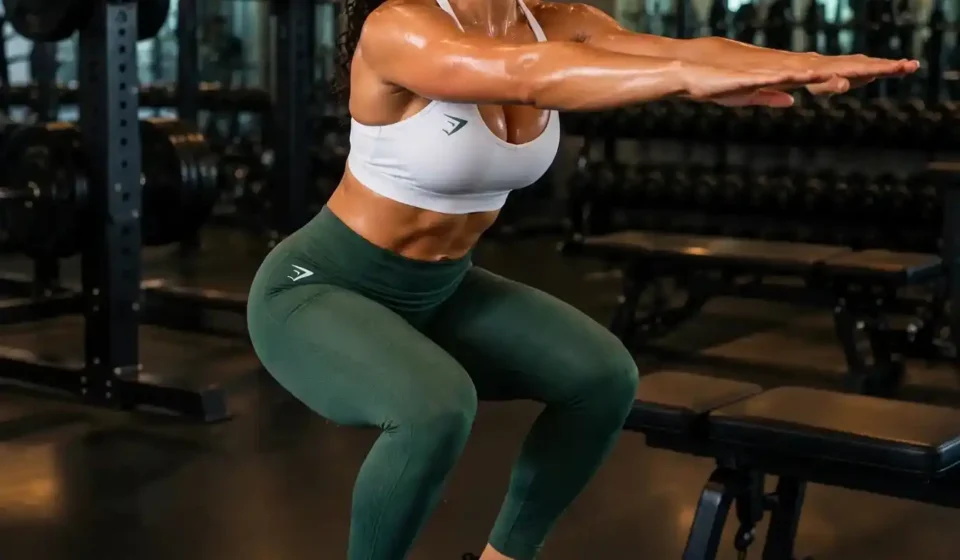

Good balance and stability are important for everyday life. Whether you’re walking, climbing stairs, bending down to pick something up, or standing on one leg, your body relies on different muscles working together to keep you steady and in control.
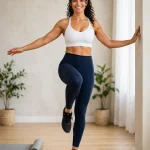
Balance and Stability Exercises to Improve Everyday Movement The good news is that you don’t need complicated equipment or an expensive gym membership to improve your balance. Simple exercises performed at home can help develop coordination, strengthen supporting muscles, and make everyday movements feel more controlled.
Balance training isn’t just for athletes or older adults. It can benefit beginners, active individuals, and anyone who wants to improve body awareness and movement quality.
In this guide, you’ll discover why balance and stability matter, the best exercises to try at home, and how to build a simple routine that fits into your weekly schedule.
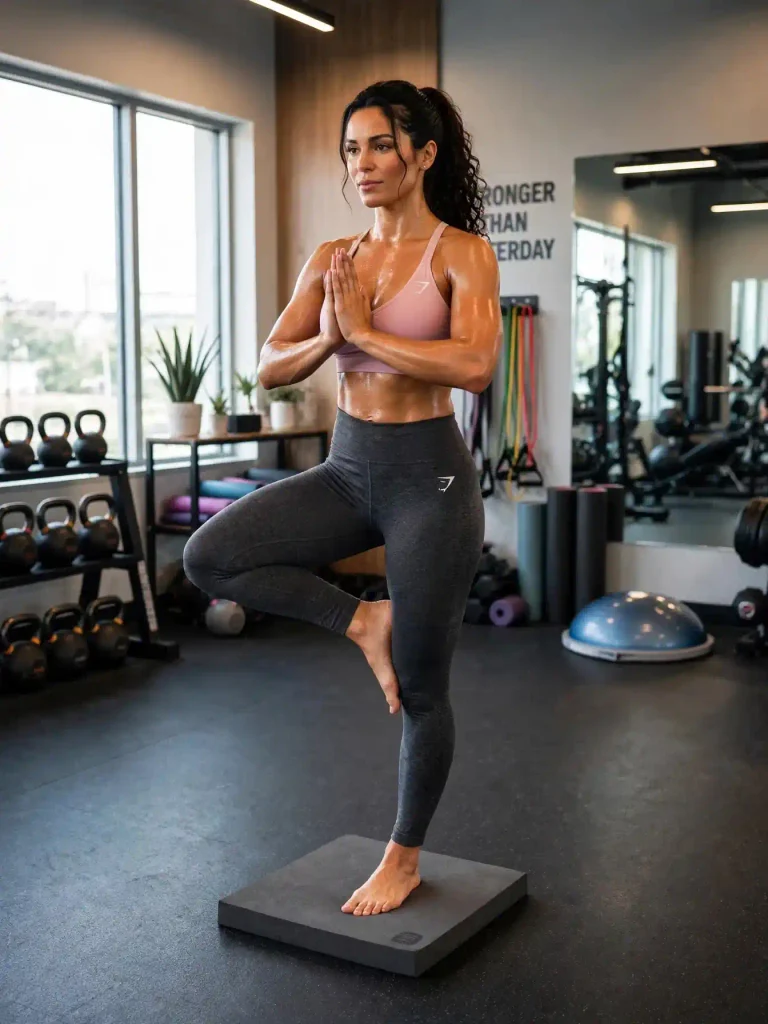
Why Are Balance and Stability Important?
Balance is your ability to maintain control of your body’s position, whether you’re standing still or moving. Stability refers to how well your body controls movement and maintains support during different activities.
Both are important for everyday tasks and physical performance.
Here are some key benefits of regular balance training:
1. Improves Everyday Movement
Good balance helps make common activities easier, including walking, reaching, turning, and changing direction. Practicing controlled movements can help your body respond more confidently to everyday situations.
2. Strengthens Supporting Muscles
Balance exercises often engage the muscles around your core, hips, legs, and ankles. These muscles help support your body and maintain control during movement.
3. Develops Better Coordination
Many balance exercises require different parts of your body to work together. Over time, regular practice can help improve coordination and body awareness.
4. Supports Joint Stability
The muscles surrounding your joints play an important role in movement control. Exercises that challenge balance can help develop strength and coordination around the ankles, knees, and hips.
5. Helps Build Confidence
Practicing simple balance movements in a safe environment can help you feel more comfortable with activities that involve standing, stepping, or changing direction.
6. Supports Physical Performance
Balance is useful in many activities, including walking, dancing, yoga, Pilates, strength training, and recreational sports. Better movement control can help you perform these activities with greater confidence.
The Main Types of Balance and Stability Training
A balanced routine can include different types of exercises. Each one challenges your body in a slightly different way.
1. Static Balance Exercises
Static balance involves maintaining a steady position without moving your feet.
Examples include:
- Standing on one leg while holding a stable support
- Tandem standing, with one foot in front of the other
- Standing with your feet close together
- Maintaining a comfortable standing position with controlled posture
These exercises are a good starting point for beginners.
2. Dynamic Balance Exercises
Dynamic balance involves maintaining control while your body is moving.
Examples include:
- Walking heel to toe
- Sideways stepping
- Marching in place
- Controlled forward and backward stepping
These movements help practice balance during everyday activities such as walking and changing direction.
3. Core Stability Exercises
Your core muscles help support your spine and control movement throughout your body.
Beginner-friendly options include:
- Bird dogs
- Dead bugs
- Modified planks
- Glute bridges
These exercises help develop controlled movement and core strength.
4. Lower-Body Stability Exercises
Your hips, thighs, calves, and ankles all contribute to balance.
Useful exercises include:
- Chair squats
- Standing calf raises
- Supported side leg raises
- Step-ups on a low, stable step
They help strengthen the muscles involved in standing, walking, and stepping.
10 Balance and Stability Exercises to Try at Home
The following exercises are suitable starting options for many beginners. Choose movements that match your current ability and use a sturdy chair, wall, or countertop for support whenever necessary.
1. Single-Leg Stand
This classic balance exercise helps develop stability and coordination.
How to do it:
- Stand upright beside a sturdy chair or countertop.
- Place both feet comfortably on the floor.
- Hold the support lightly.
- Slowly lift one foot a short distance off the floor.
- Maintain your balance for a comfortable period.
- Lower your foot and repeat on the opposite side.
Start with a few seconds on each leg. Keep your hand near the support throughout the exercise.
2. Heel-to-Toe Walk
Heel-to-toe walking challenges your balance while practicing controlled forward movement.
How to do it:
- Stand beside a wall or stable countertop.
- Place one foot directly in front of the other.
- Bring the front heel close to the toes of the back foot.
- Take a slow step forward.
- Repeat with the opposite foot.
- Continue for a few comfortable steps.
Move slowly and use support whenever needed.
3. Bird Dog
The bird dog is a core stability exercise that challenges coordination between the upper and lower body.
How to do it:
- Begin on your hands and knees on a comfortable exercise mat.
- Position your hands beneath your shoulders and knees beneath your hips.
- Slowly extend one arm forward.
- Extend the opposite leg backward if comfortable.
- Keep your back steady and avoid rotating your hips.
- Return to the starting position and switch sides.
Try 5 controlled repetitions on each side.
4. Glute Bridge
Glute bridges strengthen the glutes and help develop hip stability.
How to do it:
- Lie on your back with your knees bent.
- Place your feet flat on the floor, approximately hip-width apart.
- Keep your arms relaxed beside your body.
- Gently tighten your abdominal muscles.
- Lift your hips comfortably off the floor.
- Pause briefly and lower your hips slowly.
Try 8 to 10 controlled repetitions.
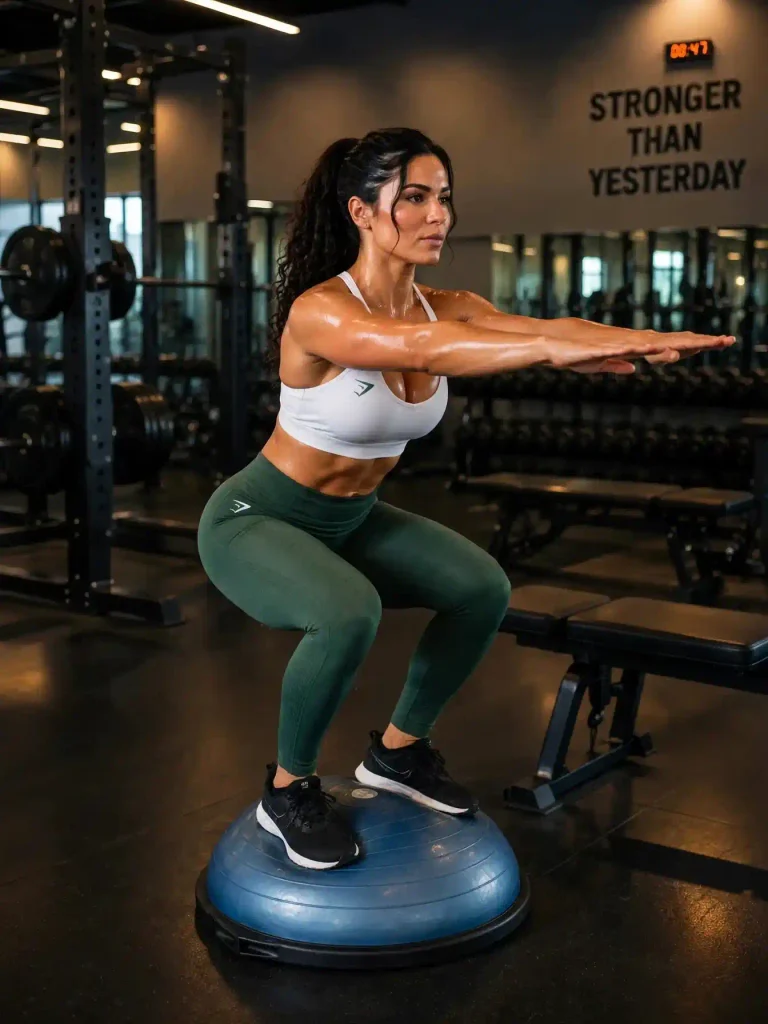
5. Standing Side Leg Raises
This exercise works the muscles around your hips and helps practice standing balance.
How to do it:
- Stand behind a sturdy chair.
- Hold the chair with both hands.
- Keep your upper body upright.
- Slowly move one leg out to the side.
- Avoid leaning your body in the opposite direction.
- Return your foot to the starting position.
- Repeat on the other side.
Try 8 repetitions per leg.
6. Chair Squats
Chair squats help develop lower-body strength and movement control.
How to do it:
- Stand in front of a sturdy chair.
- Position your feet approximately shoulder-width apart.
- Slowly bend your knees and hips.
- Lower yourself toward the chair.
- Gently touch the seat or sit down.
- Push through your feet to stand again.
Use your hands for support if necessary. Start with 5 to 8 repetitions.
7. Standing Calf Raises
Calf raises strengthen the lower legs and help practice controlled ankle movement.
How to do it:
- Stand behind a sturdy chair.
- Place your hands on the chair for support.
- Keep your feet comfortably apart.
- Slowly lift your heels off the floor.
- Pause briefly at the top.
- Lower your heels with control.
Try 8 to 12 repetitions.
8. Standing Marching
Marching in place is a simple way to practice coordination and balance during movement.
How to do it:
- Stand upright beside a sturdy support.
- Place your feet comfortably apart.
- Slowly lift one knee.
- Lower your foot to the floor.
- Repeat with the opposite knee.
- Continue alternating sides.
Try 10 alternating repetitions while maintaining a comfortable rhythm.
9. Sideways Walking
Sideways walking challenges hip stability and coordination.
How to do it:
- Stand beside a clear, stable countertop.
- Keep your knees slightly relaxed.
- Take a small step to the side.
- Bring your other foot toward the first.
- Continue taking controlled sideways steps.
- Change direction and return to your starting position.
Begin with a few steps in each direction.
10. Dead Bug
The dead bug is a beginner-friendly core exercise that helps develop trunk stability and coordination.
How to do it:
- Lie on your back on an exercise mat.
- Lift your arms toward the ceiling.
- Bend your knees so your legs form a comfortable tabletop position.
- Slowly lower one arm and the opposite leg.
- Keep your lower back comfortably supported.
- Return to the starting position.
- Repeat with the opposite arm and leg.
Start with 5 repetitions on each side. Use a smaller movement if needed.
A Simple Weekly Balance and Stability Workout Plan
You don’t need to practice every exercise in one session. A simple weekly schedule can help you include balance, strength, and mobility work without making your routine complicated.
Here is an example for beginners:
| Day | Activity |
|---|---|
| Monday | Single-leg stands, calf raises, and glute bridges |
| Tuesday | Comfortable walking and gentle stretching |
| Wednesday | Bird dogs, dead bugs, and chair squats |
| Thursday | Rest or light everyday movement |
| Friday | Heel-to-toe walking, side leg raises, and marching |
| Saturday | Short balance and mobility session |
| Sunday | Rest and recovery |
Adjust the schedule according to your experience, comfort, and fitness level. You can begin with shorter sessions and gradually increase the amount of practice.
How Often Should You Do Balance Exercises?
The ideal frequency depends on your current fitness level, experience, and individual needs.
For beginners, a practical starting point is:
- Practice balance exercises on 2 to 3 days per week.
- Include gentle strength exercises on 2 days per week.
- Add comfortable walking or other enjoyable physical activities.
- Allow enough recovery time between more challenging sessions.
- Increase difficulty gradually as your coordination improves.
Short, consistent sessions can be more manageable than trying to do too much at once.
Safety Tips for Balance and Stability Training
Balance exercises should always be performed in a safe environment. Since some movements involve standing on one leg or changing direction, taking a few precautions is important.
Keep these tips in mind:
- Choose a safe space: Remove objects that could cause you to trip and make sure the floor is stable.
- Use support: Keep a sturdy chair, wall, or countertop nearby when practicing standing exercises.
- Wear suitable footwear: Comfortable shoes with good support can make standing exercises easier.
- Start with simple movements: Learn basic exercises before attempting more challenging variations.
- Move slowly: Avoid rushing through repetitions or making sudden movements.
- Maintain good posture: Keep your body controlled rather than leaning or twisting unnecessarily.
- Warm up first: Begin with a few minutes of gentle walking or comfortable joint movements.
- Listen to your body: Stop if you experience pain, dizziness, or unusual discomfort.
- Seek professional guidance when needed: If you have a history of falls, an injury, or a medical condition affecting your balance, consult a qualified healthcare professional before starting.
Common Balance Training Mistakes to Avoid
Even simple exercises can become less effective when performed without proper control.
Here are some common mistakes to watch out for:
1. Moving Too Quickly
Balance training is about control, not speed. Perform each movement slowly and focus on maintaining a steady position.
2. Ignoring Proper Support
Beginners sometimes try to perform difficult balance exercises without holding onto anything. Use a stable support until you feel comfortable with the movement.
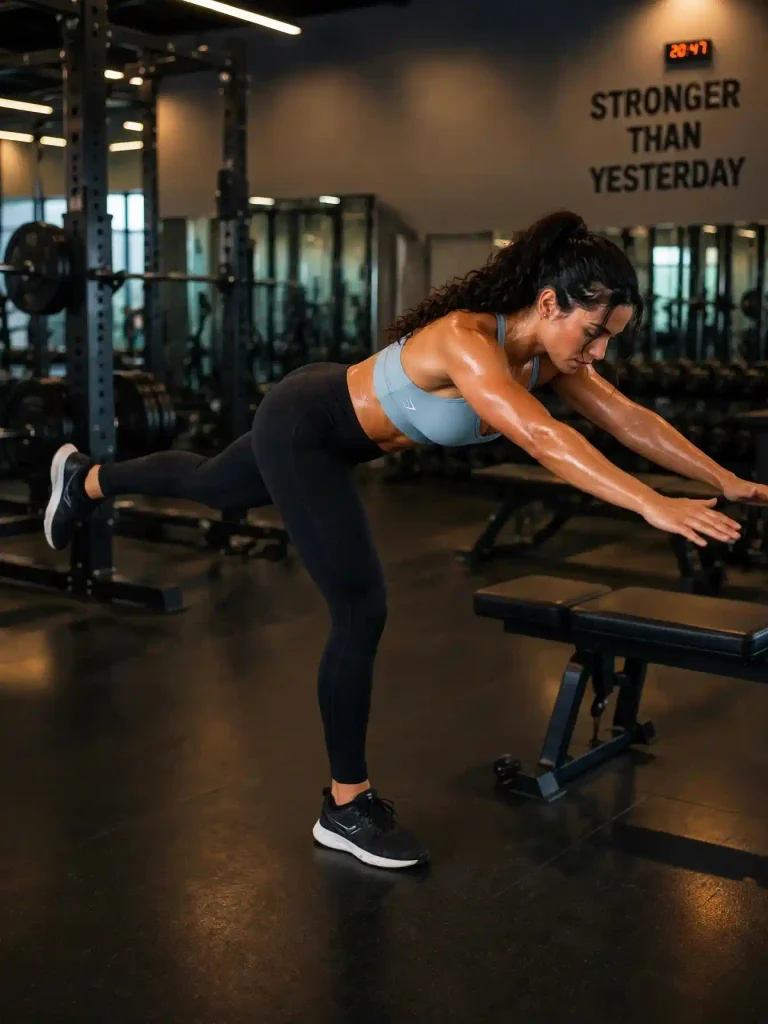
3. Choosing Exercises That Are Too Difficult
Starting with advanced movements can make training frustrating. Build your skills gradually with simpler exercises.
4. Forgetting Core Engagement
Your core helps support your body during many balance movements. Maintain a comfortable, controlled posture throughout each exercise.
5. Skipping Consistent Practice
Balance and coordination improve through regular practice. An occasional workout is less useful than a manageable routine you can maintain.
How to Improve Your Balance Over Time
Improving balance is a gradual process. Instead of making exercises more difficult immediately, focus on mastering the basic movements first.
Here are a few ways to progress safely:
Practice Regularly
Choose a few exercises and include them in your weekly routine. Consistency helps you become more familiar with each movement.
Focus on Movement Quality
Pay attention to your posture, breathing, and coordination. Controlled repetitions are more important than completing a large number of movements.
Increase Difficulty Gradually
Once an exercise feels comfortable, you may be able to increase the duration or number of repetitions slightly. Make only one adjustment at a time.
Combine Strength and Balance Training
Balance is not only about standing still. Strong supporting muscles can help you maintain control during everyday activities.
Track Your Progress
Keep a simple record of the exercises you practice and how comfortable they feel. Small improvements in movement control can be encouraging.
Frequently Asked Questions
What are the best exercises to improve balance?
Some useful beginner-friendly options include single-leg stands with support, heel-to-toe walking, standing side leg raises, calf raises, and bird dogs. The best exercises depend on your current ability and goals.
How long does it take to improve balance?
Progress varies from person to person. Regular practice can help develop coordination and movement control over time, but there is no fixed timeline.
Can I improve my balance at home?
Yes. Many balance and stability exercises require little or no equipment. A sturdy chair, a clear floor area, and comfortable clothing are often enough to get started.
Do balance exercises strengthen your core?
Some balance exercises engage the abdominal and back muscles to help maintain posture and control. However, combining balance practice with dedicated core exercises can provide a more balanced routine.
Are balance exercises suitable for beginners?
Yes. Many exercises can be adapted for beginners by using support, reducing the range of movement, and starting with shorter sessions.
Should I do balance exercises every day?
Not necessarily. Beginners can start with a few sessions per week and adjust according to their comfort and recovery. People with specific balance concerns should seek professional guidance.
Is walking enough to improve balance?
Walking is beneficial for general fitness and coordination, but it may not challenge balance in the same way as dedicated exercises. Adding suitable balance and strength movements can help create a more complete routine.
Final Thoughts
Balance and stability play an important role in everyday movement. From walking and climbing stairs to bending and reaching, your body depends on coordination and supporting muscles to stay controlled.
The good news is that improving these skills doesn’t require complicated workouts or expensive equipment. Simple exercises such as single-leg stands, bird dogs, glute bridges, and sideways walking can be useful additions to a beginner fitness routine.
Start with movements that feel comfortable, use support whenever needed, and focus on consistency rather than intensity. With regular practice and gradual progress, balance training can become a valuable part of a healthy and active lifestyle.


Comments are closed.
[…] information can help you recognize how active you are outside your planned workouts and identify opportunities to include more movement in your daily […]