
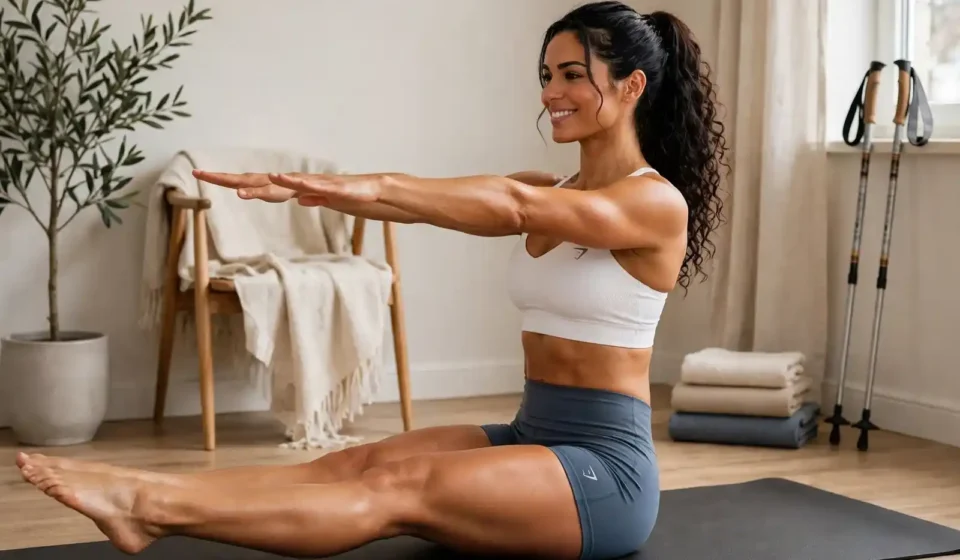

Nordic Pilates is a gentle, low-impact fitness approach that combines Pilates-inspired movements with the principles of Nordic-style movement and mindful exercise. It focuses on controlled movements, core stability, balance, flexibility, and body awareness.
Nordic Pilates: What It Is and How to Try It at Home Unlike high-intensity workouts, Nordic Pilates emphasizes moving with control and paying attention to proper technique. It can be a good option for beginners who want to build a balanced fitness routine at home without complicated equipment.
Whether you’re new to Pilates or simply looking for a fresh way to move, this guide explains what Nordic Pilates is, how it works, and how to get started safely.
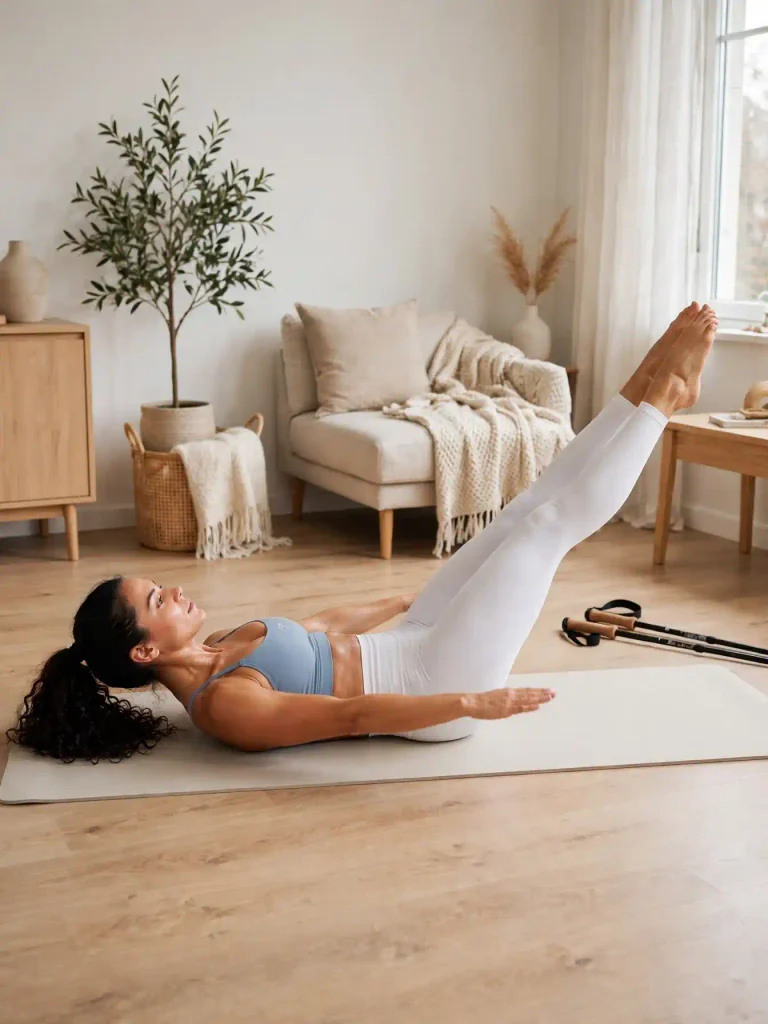
What Is Nordic Pilates?
Nordic Pilates is a term used for Pilates-inspired workouts that may incorporate elements of Nordic fitness traditions, such as mindful movement, balance, and functional strength.
Traditional Pilates focuses on core strength, posture, flexibility, and controlled breathing. Nordic-inspired exercise often emphasizes natural movement patterns and overall physical well-being.
When combined, these ideas create a gentle workout style that can include:
- Controlled bodyweight exercises
- Core-strengthening movements
- Balance and stability exercises
- Gentle stretching
- Mindful breathing
- Low-impact movement sequences
There is no single universally standardized Nordic Pilates method, so routines can vary depending on the instructor or program.
What Are the Potential Benefits of Nordic Pilates?
Nordic Pilates-style workouts can support several aspects of general fitness when practiced consistently and with good technique.
1. Supports Core Strength
Many Pilates-inspired movements engage the abdominal and back muscles. Developing core strength can help support everyday activities, balance, and movement control.
2. Encourages Better Posture
Exercises that focus on alignment and controlled movement can help you become more aware of how you sit, stand, and move throughout the day.
3. Improves Balance and Stability
Slow, controlled movements challenge coordination and stability. This can make balance exercises a useful part of a well-rounded fitness routine.
4. Supports Flexibility and Mobility
Gentle stretches and flowing movements can help maintain comfortable movement through the joints and muscles.
5. Offers a Low-Impact Workout Option
Nordic Pilates-inspired routines generally avoid jumping and fast, repetitive movements. This makes them an accessible option for people who prefer gentler exercise.
However, low-impact does not automatically mean suitable for everyone. Choose movements that feel comfortable and adjust exercises to your abilities.
What Do You Need to Try Nordic Pilates at Home?
One advantage of Pilates-inspired exercise is that you can get started without an expensive home gym.
Here are a few useful items:
- Exercise mat: Provides a comfortable surface for floor exercises.
- Comfortable clothing: Choose clothes that allow you to move freely.
- Water bottle: Keep water nearby.
- Small cushion: Useful for extra support during certain movements.
- Resistance band: Optional for adding variety to suitable exercises.
You can begin with simple bodyweight movements and add equipment only if you find it helpful.
7 Nordic Pilates-Inspired Exercises to Try at Home
The following exercises combine gentle Pilates-style movements with balance, mobility, and controlled movement. They are suitable as a beginner-friendly introduction.
1. Pelvic Tilts
<caption>Focus: Core awareness and gentle spinal movement</caption>
Pelvic tilts are a simple way to learn how to control your pelvis and engage your abdominal muscles.
How to do it:
- Lie on your back with your knees bent and feet flat on the mat.
- Relax your shoulders and keep your arms beside your body.
- Gently tilt your pelvis so your lower back moves closer to the mat.
- Return to a comfortable neutral position.
- Repeat slowly while breathing naturally.
2. Glute Bridges
<caption>Focus: Hip movement and lower-body strength</caption>
Glute bridges are a useful exercise for practicing controlled hip movement.
How to do it:
- Lie on your back with your knees bent.
- Place your feet flat on the floor, about hip-width apart.
- Gently engage your abdominal muscles.
- Lift your hips until your body forms a comfortable line from shoulders to knees.
- Lower slowly and repeat.
3. Bird Dog
<caption>Focus: Core stability and coordination</caption>
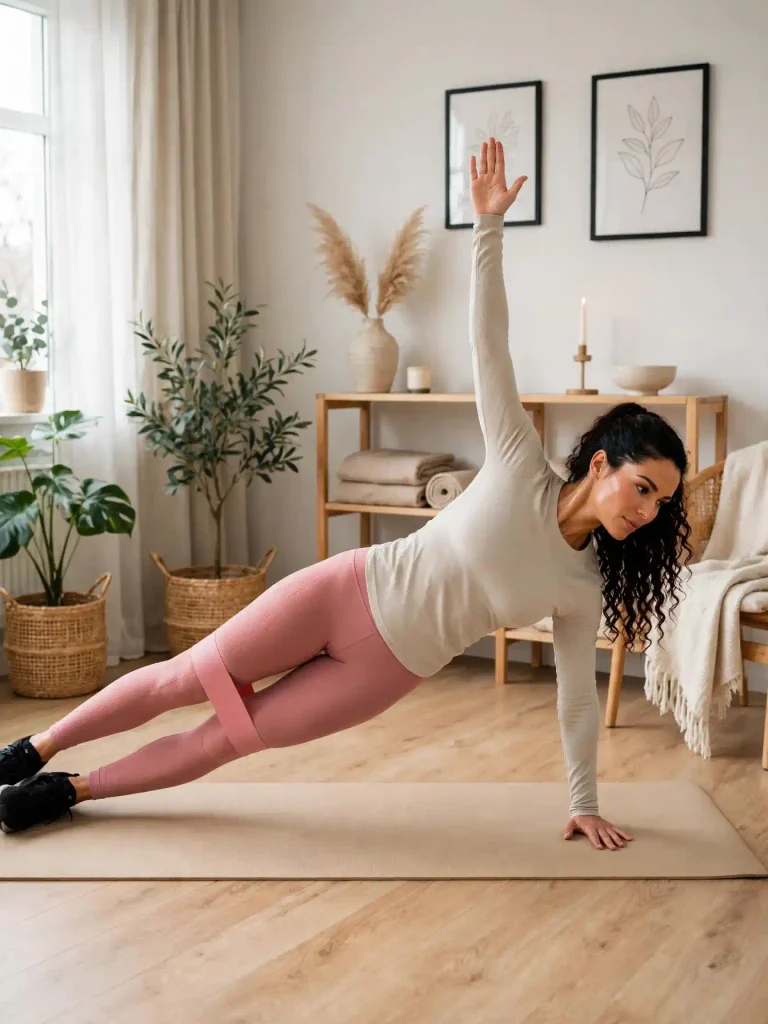
The bird dog challenges your balance while teaching you to control your body.
How to do it:
- Start on your hands and knees.
- Keep your back in a comfortable neutral position.
- Slowly extend one arm forward.
- If comfortable, extend the opposite leg behind you.
- Return to the starting position and switch sides.
4. Cat-Cow Stretch
<caption>Focus: Spinal mobility</caption>
This gentle movement encourages controlled motion through your back.
How to do it:
- Begin on your hands and knees.
- Slowly round your back while gently looking toward your stomach.
- Move into a comfortable extended position, lifting your chest slightly.
- Continue alternating between the two positions.
- Keep your movements smooth and avoid forcing your back.
5. Standing Knee Raises
<caption>Focus: Balance and coordination</caption>
Standing knee raises are a simple way to practice balance and controlled movement.
How to do it:
- Stand upright with your feet about hip-width apart.
- Keep your shoulders relaxed.
- Slowly lift one knee to a comfortable height.
- Lower your foot with control.
- Repeat on the other side.
Use a wall or sturdy chair for support if needed.
6. Side-Lying Leg Raises
<caption>Focus: Hip stability</caption>
This exercise works the muscles around your hips while encouraging controlled movement.
How to do it:
- Lie on your side with your legs extended.
- Support your head with your lower arm.
- Slowly lift your upper leg without rolling your hips backward.
- Lower it with control.
- Switch sides.
7. Child’s Pose Stretch
<caption>Focus: Gentle stretching and relaxation</caption>
Finish your routine with a comfortable stretch.
How to do it:
- Begin on your hands and knees.
- Slowly move your hips toward your heels.
- Extend your arms forward or rest them beside your body.
- Relax your shoulders and breathe naturally.
- Hold the position only as long as it feels comfortable.
A Simple 15-Minute Nordic Pilates Routine for Beginners
You can combine the exercises above into a short home workout.
| Exercise | Suggested time |
|---|---|
| Pelvic tilts | 2 minutes |
| Glute bridges | 2 minutes |
| Bird dog | 2 minutes |
| Cat-cow stretch | 2 minutes |
| Standing knee raises | 2 minutes |
| Side-lying leg raises | 3 minutes |
| Child’s pose | 2 minutes |
Move slowly and take breaks whenever needed. You do not have to complete every exercise if you feel tired or uncomfortable.
Tips for Getting Started With Nordic Pilates
If you’re new to this type of exercise, a few simple habits can make your sessions more comfortable and enjoyable.
Start With Simple Movements
You don’t need advanced exercises to build a good foundation. Begin with basic movements and learn how to perform them comfortably.
Focus on Technique
Controlled movement is more important than speed. Pay attention to your posture, breathing, and alignment.
Avoid Forcing Stretches
Stretching should feel gentle and comfortable. Stop or modify a movement if you experience pain.
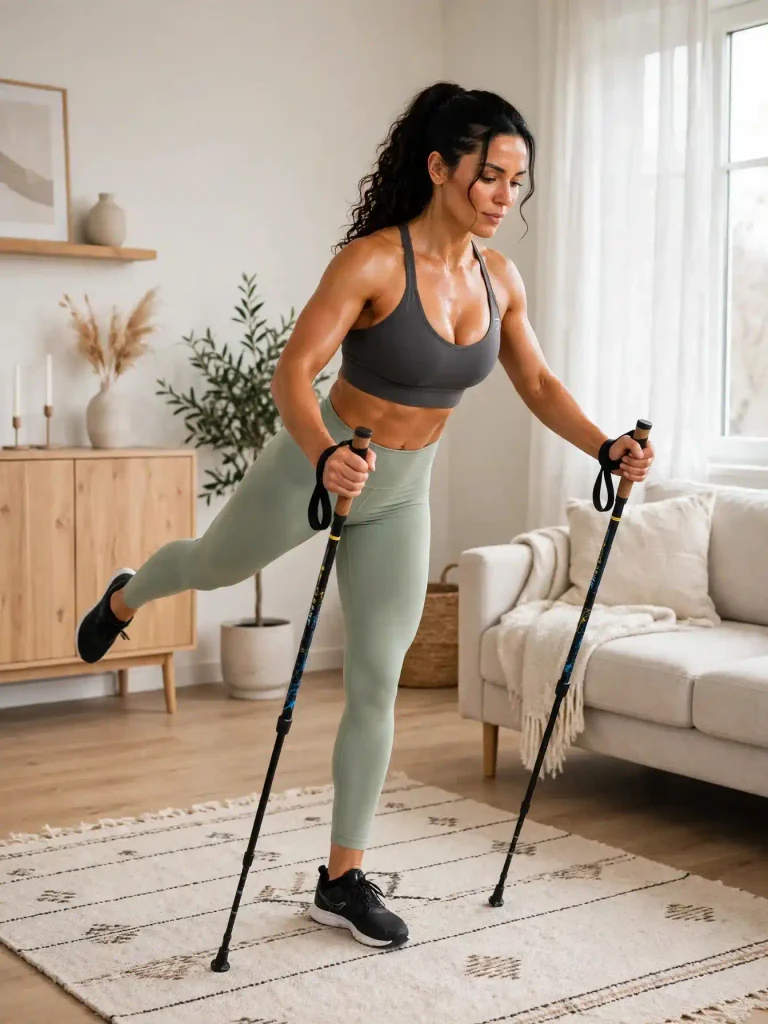
Create a Comfortable Workout Space
Choose a quiet area with enough room to move safely. A non-slip exercise mat can make floor exercises more comfortable.
Be Consistent Without Overdoing It
Start with short sessions and allow time for rest. You can gradually build a routine that fits your schedule and energy levels.
Common Mistakes to Avoid
Even gentle workouts can become uncomfortable when movements are rushed or performed without proper control.
Watch out for these common mistakes:
- Moving too quickly: Slow movements help you focus on technique.
- Holding your breath: Breathe naturally throughout each exercise.
- Ignoring discomfort: Modify or stop movements that cause pain.
- Skipping warm-ups: Begin with a few minutes of gentle movement.
- Trying advanced exercises too soon: Build confidence with basic movements first.
- Expecting instant results: Improvements in coordination, strength, and mobility take time.
Is Nordic Pilates Suitable for Beginners?
Nordic Pilates-inspired exercise can be a beginner-friendly option because many movements are gentle, controlled, and easy to modify.
You can adjust the exercises by reducing the range of motion, using support for balance, or taking longer breaks.
If you have an injury, ongoing pain, or a medical condition that affects exercise, ask a qualified healthcare professional which movements are appropriate before starting.
Final Thoughts
Nordic Pilates offers an interesting way to combine controlled movement, core stability, balance, and gentle stretching into a home fitness routine.
You don’t need expensive equipment or long workout sessions to get started. A comfortable space, an exercise mat, and a few beginner-friendly movements are enough for your first session.
Start slowly, focus on good technique, and choose exercises that feel comfortable. With a balanced and consistent approach, Nordic Pilates-inspired workouts can become an enjoyable part of your overall fitness routine.

Comments are closed.
[…] don’t need to begin with intense running or long sessions. Focus on understanding the three stages and finding a pace that feels […]