
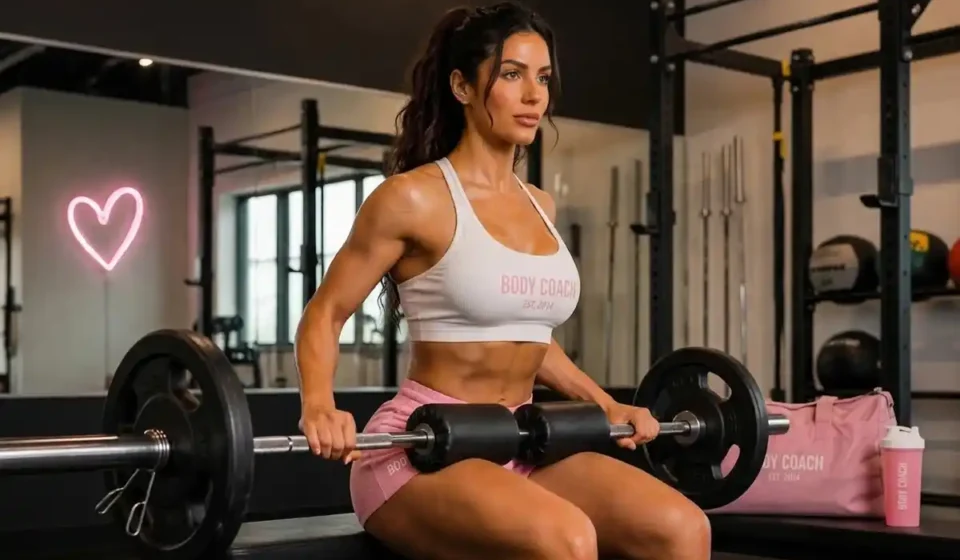

Discover 8 Effective Glute Exercises to Build Strength and Improve Mobility you can do at home or at the gym to strengthen your lower body, improve stability, and support everyday movement.
Your glutes do much more than help you walk, run, or climb stairs. They play an important role in keeping your hips stable, supporting your lower back, and helping you move comfortably throughout the day.
Whether you spend a lot of time sitting, enjoy walking, or regularly exercise, strengthening your glutes can be a valuable part of your fitness routine.
The good news is that you don’t need complicated equipment or an advanced workout plan to get started. Simple exercises such as glute bridges, fire hydrants, and reverse lunges can help you build strength and improve your movement.
In this guide, we’ll explore eight effective glute exercises, explain how to perform each one, and share some helpful tips for getting started.
Why Are Your Glute Muscles Important?
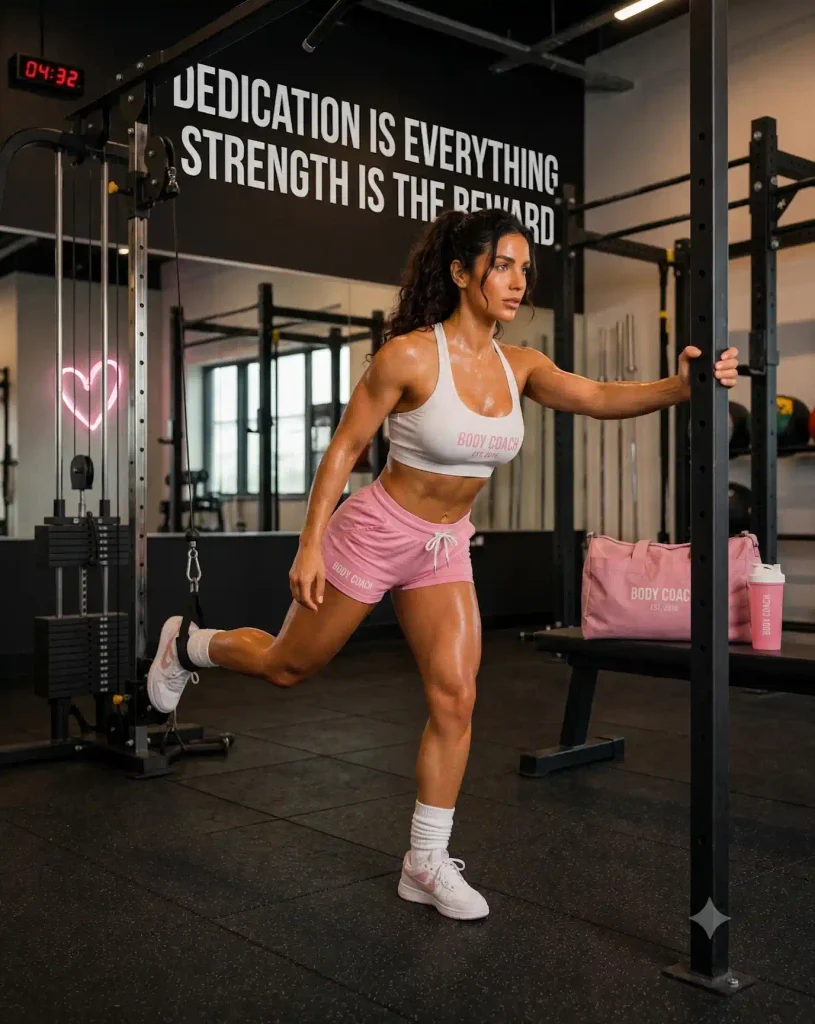
Your glutes are made up of three main muscles: the gluteus maximus, gluteus medius, and gluteus minimus. Each has a different role in helping your body move.
- Gluteus maximus: The largest of the three muscles. It helps you stand up, walk, run, climb stairs, and extend your hips.
- Gluteus medius: Located on the outer side of your hips, this muscle helps stabilize your pelvis and move your legs sideways.
- Gluteus minimus: The smallest glute muscle. It works alongside the gluteus medius to support hip movement and stability.
Together, these muscles help you maintain balance, move efficiently, and support your lower body during everyday activities.
Spending long periods sitting can reduce how often you use your glutes. Including regular movement and strengthening exercises in your routine can help you maintain their strength and function.
8 Best Glute Exercises to Try at Home or at the Gym
You don’t need to perform every exercise in one session. Choose a few that suit your experience, available equipment, and fitness level. Focus on controlled movements and good technique rather than rushing through repetitions.
1. Glute Bridges
Glute bridges are a simple exercise for beginners and an excellent way to learn how to activate your glute muscles. They also involve your abdominal muscles and help develop hip strength.
How to do glute bridges:
- Lie on your back on a comfortable exercise mat.
- Bend your knees and place your feet flat on the floor, approximately hip-width apart.
- Keep your arms resting beside your body, with your palms facing down.
- Gently tighten your abdominal muscles and press your feet into the floor.
- Slowly lift your hips until your shoulders, hips, and knees form a straight line.
- Pause briefly at the top while gently squeezing your glutes.
- Lower your hips slowly back to the starting position.
Start with 8 to 12 repetitions, adjusting the number to your comfort and experience.
Helpful tip: Avoid arching your lower back when lifting your hips. Keep the movement controlled and focus on using your glutes.
Once you’re comfortable with the basic version, you can explore more challenging variations with guidance.
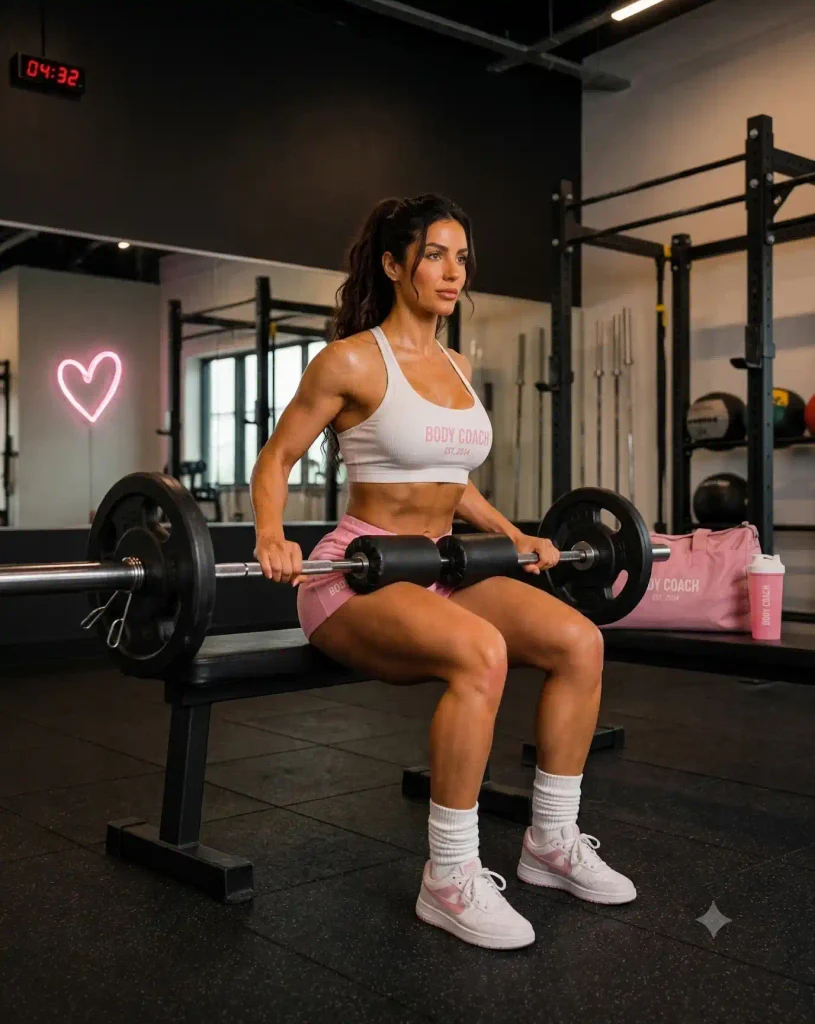
2. Hip Thrusts
Hip thrusts are another popular exercise for strengthening the glutes. They are similar to glute bridges but use an elevated position to allow a greater range of hip movement.
You can perform them at the gym using a sturdy bench or start with a simpler floor-based variation if you’re new to the exercise.
How to do hip thrusts:
- Sit on the floor with your upper back resting against a sturdy exercise bench.
- Bend your knees and place your feet flat on the floor.
- Keep your feet approximately hip-width apart.
- Brace your core and gently tighten your glutes.
- Press through your feet and lift your hips until your torso is roughly parallel to the floor.
- Pause briefly at the top without arching your back.
- Slowly lower your hips to the starting position.
Try 8 to 12 controlled repetitions if the exercise feels comfortable.
Helpful tip: Make sure the bench is stable before starting. Beginners should practice without additional weight until they feel confident with the movement.
3. Banded Side Steps
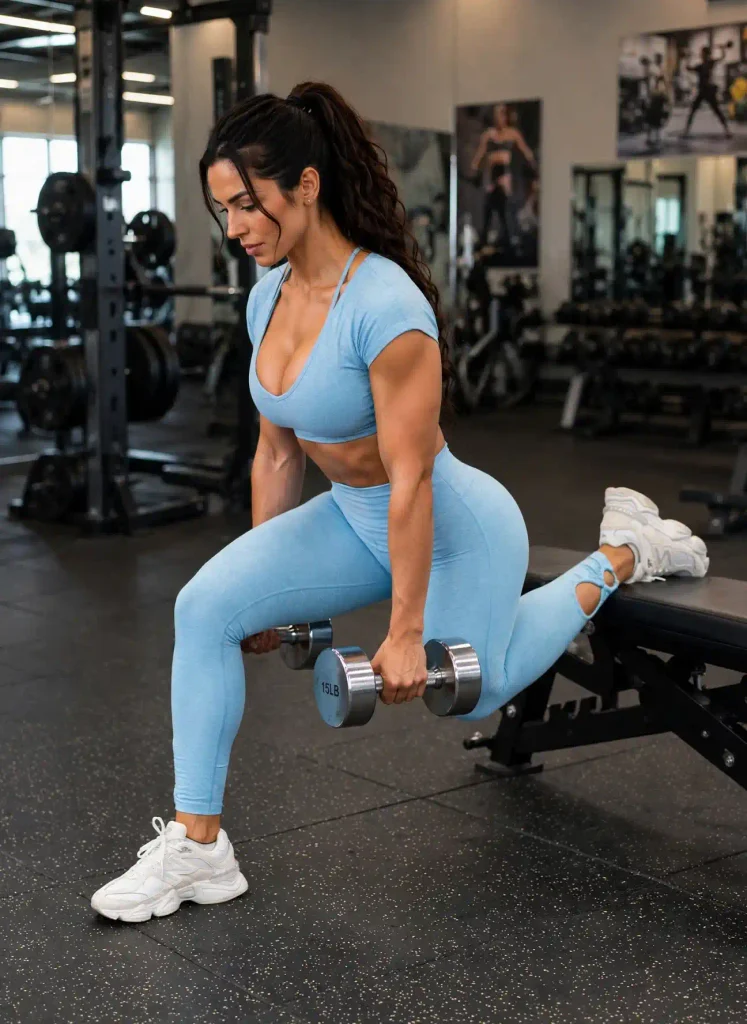
Banded side steps are a useful exercise for targeting the muscles on the sides of your hips, particularly the gluteus medius. They can also help develop hip stability and coordination.
All you need is a resistance band.
How to do banded side steps:
- Place a resistance band around your thighs or ankles, depending on your experience and the band’s instructions.
- Stand with your feet about shoulder-width apart.
- Bend your knees slightly and push your hips back into a comfortable athletic stance.
- Keep your chest lifted and your back in a neutral position.
- Take a controlled step to the left, maintaining tension in the band.
- Bring your right foot toward your left without letting the band go slack.
- Continue for a few steps in one direction.
- Repeat the movement in the opposite direction.
Start with a few steps in each direction and gradually increase the number as you become more comfortable.
Helpful tip: Keep your knees aligned with your feet and avoid allowing them to collapse inward. Choose a resistance band that lets you move with good control.
4. Fire Hydrants
Fire hydrants are a bodyweight exercise that targets the gluteus medius and minimus. They also help improve hip mobility and coordination.
Because they don’t require equipment, they’re easy to include in a home workout.
How to do fire hydrants:
- Start on your hands and knees on an exercise mat.
- Place your hands beneath your shoulders and your knees beneath your hips.
- Keep your back straight and gently tighten your abdominal muscles.
- Slowly lift your left knee out to the side while keeping it bent.
- Raise your leg only as far as you can without twisting your body.
- Pause briefly, then return your knee to the starting position.
- Repeat the movement with your right leg.
Try 8 to 10 repetitions on each side to begin with.
Helpful tip: Keep your hips facing the floor and avoid rotating your entire body as you lift your leg. If you become tired and struggle to maintain good form, take a break.
5. Clamshells
Clamshells are a gentle exercise that focuses on the muscles around your hips. They’re especially useful for beginners who want to work on hip strength and stability without standing or using heavy equipment.
How to do clamshells:
- Lie on your side on a comfortable mat.
- Bend your knees and keep your feet together.
- Rest your head on your lower arm or use your hand for support.
- Keep your hips stacked and your spine in a comfortable position.
- Slowly lift your upper knee while keeping your feet together.
- Pause briefly at the top.
- Lower your knee slowly to the starting position.
- Complete your repetitions before turning over and repeating on the other side.
Aim for 10 to 15 repetitions on each side, depending on your comfort.
Helpful tip: Keep your hips from rolling backward as you lift your knee. A smaller, controlled movement is often more useful than lifting your leg too high.
If you become comfortable with the exercise, you can try adding a light resistance band around your thighs.
6. Reverse Lunges
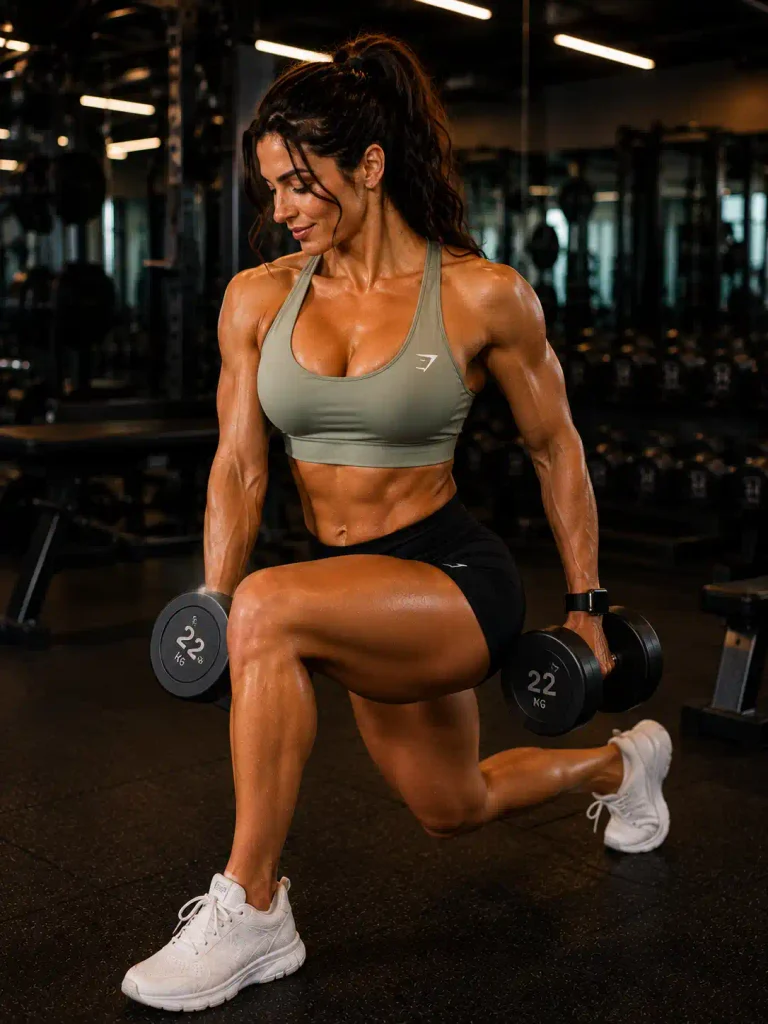
Reverse lunges are a compound lower-body exercise that works several muscles, including your glutes and quadriceps. They also challenge your balance and coordination.
You can perform them at home without equipment or use light dumbbells when you’re ready.
How to do reverse lunges:
- Stand upright with your feet about hip-width apart.
- Keep your shoulders relaxed and your core gently engaged.
- Take a step backward with your left foot.
- Bend both knees and lower your body into a comfortable lunge position.
- Keep your front foot flat on the floor and your front knee aligned with your foot.
- Push through your front foot to return to the starting position.
- Repeat the movement with your right leg.
Start with 8 to 10 repetitions per leg, adjusting the number to your fitness level.
Helpful tip: Take your time and focus on maintaining balance. You can hold onto a sturdy chair or wall for support if needed. Begin without weights and add resistance only when you’re comfortable with the movement.
7. Seated Leg Press
The seated leg press is a popular gym exercise that strengthens several lower-body muscles, including the glutes, quadriceps, and hamstrings.
Unlike some bodyweight exercises, the leg press uses a machine to provide resistance. This makes it possible to adjust the difficulty according to your experience.
How to use the seated leg press:
- Sit on the machine and place your back against the backrest.
- Position your feet on the platform, approximately shoulder-width apart.
- Hold the handles and make sure your body feels stable.
- Slowly push the platform away by extending your legs.
- Avoid locking your knees at the top of the movement.
- Slowly bend your knees and return the platform toward you.
- Repeat for a comfortable number of repetitions.
Beginners should start with light resistance and ask a qualified gym instructor to explain how to adjust the machine.
Helpful tip: Keep your lower back supported against the seat and avoid lowering the platform farther than your comfortable range of motion.
8. Seated Hip Abduction Machine
The seated hip abduction machine is designed to strengthen the muscles responsible for moving your legs outward. It particularly targets the gluteus medius and minimus.
It’s commonly found in gyms and can be a useful addition to a balanced lower-body routine.
How to use the seated hip abduction machine:
- Sit comfortably on the machine with your back supported.
- Position your legs against the padded supports.
- Adjust the machine according to its instructions.
- Start with a light resistance level.
- Slowly push your legs outward against the pads.
- Pause briefly when your legs reach a comfortable position.
- Bring your legs back together slowly and with control.
- Repeat for a comfortable number of repetitions.
Start with a light setting and focus on learning the movement before increasing the resistance.
Helpful tip: Avoid using momentum to push your legs outward. Smooth, controlled movements can help you focus on the muscles you’re working.
How to Include Glute Exercises in Your Workout Routine
You don’t need to perform all eight exercises in one workout. A few well-chosen movements can help you build a consistent routine.
For example, a beginner-friendly session could include:
- Glute bridges
- Clamshells
- Fire hydrants
- Reverse lunges
Start with a comfortable number of repetitions and take breaks whenever you need them. You can gradually adjust your routine as your strength, balance, and confidence improve.
If you prefer exercising at the gym, you could choose hip thrusts, the seated leg press, and the hip abduction machine.
Remember that your routine should suit your current abilities. You don’t need to use heavy weights or perform large numbers of repetitions to make exercise worthwhile.
Tips for Safe and Effective Glute Training
A few simple habits can make your workouts more comfortable and help you develop good exercise technique.
1. Focus on proper form
Good technique helps you perform exercises with control. Start with simple variations and avoid rushing through movements.
2. Start at your own level
If you’re new to strength training, begin with bodyweight exercises. You can explore more challenging variations as you become familiar with the movements.
3. Take breaks when needed
Rest is an important part of exercise. Allow yourself enough time to recover between sets and workouts.
4. Include regular movement throughout the day
If you spend a lot of time sitting, try to take regular movement breaks. A short walk or a few minutes of gentle activity can help you avoid remaining in the same position for too long.
5. Listen to your body
Exercise should challenge your muscles without causing sharp pain. Stop if a movement causes discomfort, and seek advice from a qualified healthcare professional if pain continues.
6. Be consistent
Building strength takes time. Choose activities you enjoy and create a routine that you can maintain comfortably.
Frequently Asked Questions
How often should I do glute exercises?
The ideal frequency depends on your experience, activity level, and recovery. Beginners can start with a couple of sessions per week, allowing time to rest between strength workouts.
Can I strengthen my glutes at home without equipment?
Yes. Exercises such as glute bridges, fire hydrants, clamshells, and reverse lunges can all be performed at home without special equipment.
Do I need weights for glute exercises?
No. Bodyweight exercises are a useful starting point. Resistance bands and weights are optional ways to add difficulty when you’re ready.
Are glute exercises suitable for beginners?
Many glute exercises can be adapted for beginners. Start with simple movements, use support when necessary, and focus on maintaining good technique.
Can glute exercises help with everyday movement?
Yes. Your glutes play an important role in activities such as walking, standing up, climbing stairs, and maintaining balance. Strengthening them can support these everyday movements.
Final Thoughts
Your glutes play an important role in supporting your hips, stabilizing your lower body, and helping you move throughout the day. Including a few simple strengthening exercises in your routine can help you develop strength, coordination, and mobility.
Whether you exercise at home or at the gym, movements such as glute bridges, fire hydrants, clamshells, and reverse lunges offer accessible ways to get started.
The most important thing is to choose exercises that suit your current fitness level, use controlled movements, and give yourself enough time to rest and recover.
Start with simple exercises, stay consistent, and enjoy building a healthy movement routine.


Comments are closed.
[…] this guide, we’ll explore what to eat before and after different types of workouts, share easy meal and snack ideas, and explain how to stay […]