
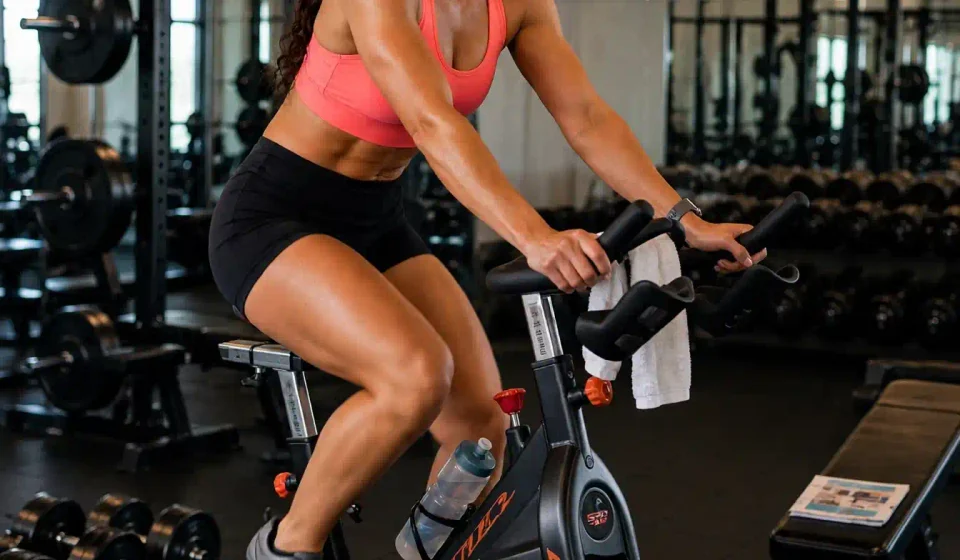

Indoor cycling is an excellent way to improve cardiovascular fitness, build endurance, and stay active without depending on outdoor weather or road conditions. Whether you use a stationary bike at home, attend a cycling class at the gym, or train with a smart indoor bike, this workout can help you develop a consistent fitness routine.
Indoor Cycling for Beginners: A Complete Workout Guide For beginners, indoor cycling offers a convenient and accessible way to get started with regular exercise. You can control the resistance, adjust your workout intensity, and choose how long you want to cycle. Unlike outdoor cycling, indoor workouts allow you to focus on your exercise without worrying about traffic, road conditions, or finding a suitable route.
Another advantage is that indoor cycling can be adapted to different fitness levels. You can begin with short, comfortable sessions and gradually introduce longer workouts as your endurance improves. With the right approach, it can become an enjoyable part of your weekly exercise schedule.
However, getting started requires more than simply sitting on a stationary bike and pedaling. Learning how to adjust your bike, maintain proper posture, choose the right resistance, and plan your workouts can make your experience more comfortable and effective.
In this beginner-friendly guide, you will discover the benefits of indoor cycling, how to set up your stationary bike, the best beginner cycling workouts, how often to train, and practical tips for building a balanced indoor cycling routine.
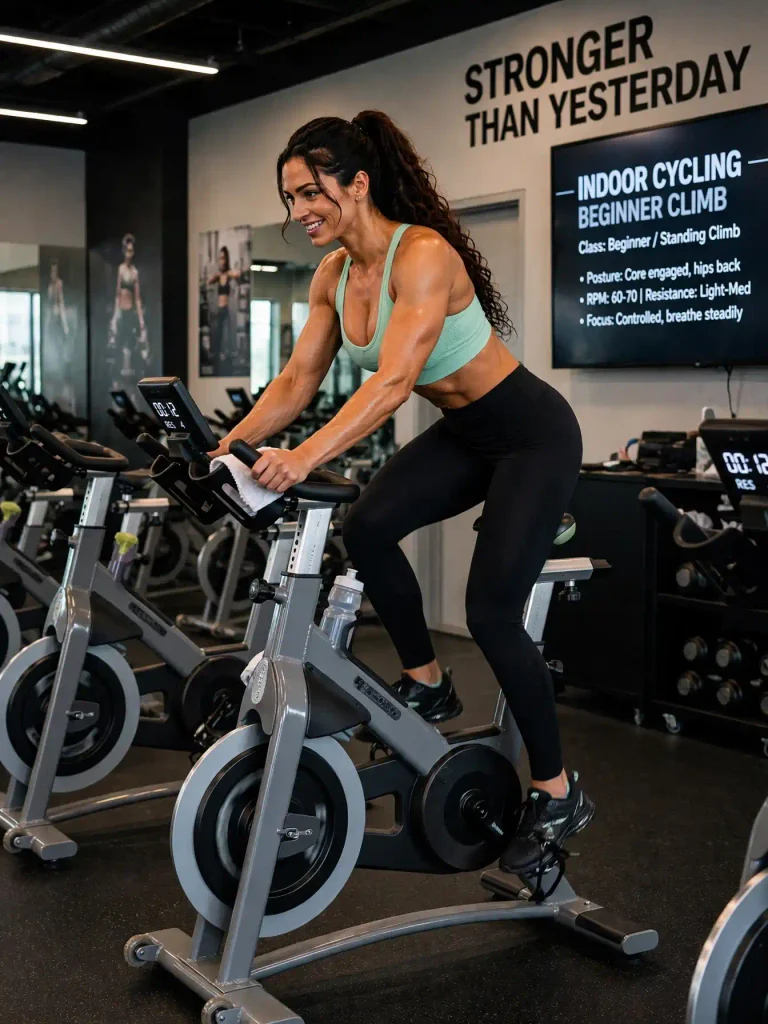
What Is Indoor Cycling?
Indoor cycling is a form of cardiovascular exercise performed on a stationary exercise bike. It allows you to pedal in one place while controlling the resistance and intensity of your workout.
Unlike traditional outdoor cycling, indoor cycling does not require you to travel anywhere. You can exercise at home, in a gym, or in a dedicated indoor cycling studio.
There are several types of indoor cycling equipment:
- Stationary bikes: Traditional exercise bikes designed for general cardiovascular workouts.
- Spin bikes: Bikes commonly used in indoor cycling classes, often featuring adjustable resistance and a more forward-leaning riding position.
- Smart bikes: Connected exercise bikes that can work with training applications and virtual cycling platforms.
- Indoor bike trainers: Devices that allow you to use a compatible outdoor bicycle indoors.
Each option offers a slightly different experience, but all can help you build a regular cycling routine.
Benefits of Indoor Cycling for Beginners
Indoor cycling offers several fitness benefits, making it a popular choice for people who want a convenient and adaptable workout.
1. Improves Cardiovascular Fitness
Indoor cycling is an aerobic activity that gets your heart and lungs working.
Regular sessions can help improve cardiovascular endurance and make everyday activities, such as walking, climbing stairs, and moving around, feel more comfortable over time.
Beginners can start with moderate sessions and gradually increase their workout duration as their fitness improves.
2. Strengthens the Lower Body
Cycling involves several major lower-body muscles.
During an indoor cycling workout, you primarily use:
- Quadriceps at the front of your thighs.
- Hamstrings at the back of your thighs.
- Gluteal muscles around your hips.
- Calf muscles in your lower legs.
- Hip muscles that help control movement.
Adjusting the bike resistance changes how challenging the pedaling movement feels.
3. Provides a Low-Impact Workout
One of the main advantages of indoor cycling is that it is a relatively low-impact exercise.
Unlike running or jumping, cycling does not involve repeated landing movements. This makes it an appealing cardiovascular option for people who prefer workouts with less impact on their joints.
However, proper bike setup is still important. If you experience pain or discomfort, stop and check your position.
4. Makes Exercise More Convenient
Indoor cycling removes many common barriers to exercising.
You do not need to plan an outdoor route, travel to a cycling location, or worry about changing weather conditions.
You can complete a short session at home before work, during a break, or whenever your schedule allows.
5. Helps Build Consistent Exercise Habits
Because indoor cycling is convenient and easy to adjust, it can help beginners establish a regular exercise routine.
You can choose different workout lengths, listen to music, follow a cycling video, or use a virtual cycling application to make your sessions more enjoyable.
Consistency is more important than making every workout intense.
How to Set Up Your Indoor Cycling Bike
Before starting your first workout, take a few minutes to adjust your stationary bike.
A comfortable setup can improve your riding position and help reduce unnecessary strain.
Clearance! Indoor Cycling Bike, Smooth Quiet Belt Drive Stationary Exe – SEGMART
Adjust the Seat Height
The seat should allow your legs to move comfortably throughout the pedaling motion.
When the pedal reaches its lowest position, your knee should remain slightly bent rather than completely straight.
If the seat is too high, you may feel discomfort around your hips. If it is too low, your knees may bend excessively.
Adjust the Handlebar Position
Your handlebars should allow you to maintain a comfortable upper-body position.
Beginners may prefer handlebars positioned slightly higher to reduce excessive forward leaning.
Keep your shoulders relaxed and avoid putting too much weight on your hands.
Check Your Foot Position
Place your feet securely on the pedals.
If your bike has straps or adjustable pedal cages, make sure your feet are comfortably positioned and secure before beginning.
Avoid pedaling with your feet in an unstable position.
Choose Comfortable Resistance
Start with light resistance so you can pedal smoothly without struggling.
You should feel some engagement in your legs, but the movement should remain controlled.
As you become more familiar with the bike, you can gradually experiment with different resistance levels.
The Best Indoor Cycling Workout for Beginners
If you are new to indoor cycling, you do not need complicated training sessions.
A simple workout combining an easy warm-up, steady cycling, and a cool-down is a great starting point.
5 Stationary Bike Workouts for Beginners: Simple Routines to Build Car
20-Minute Beginner Indoor Cycling Workout
This beginner-friendly workout is designed to introduce different cycling intensities without making the session unnecessarily complicated.
| Workout Stage | Duration | Intensity |
|---|---|---|
| Warm-up | 5 minutes | Very easy |
| Steady cycling | 5 minutes | Easy to moderate |
| Slightly increased resistance | 3 minutes | Moderate |
| Comfortable cycling | 2 minutes | Easy |
| Steady cycling | 3 minutes | Moderate |
| Cool-down | 2 minutes | Very easy |
Total duration: 20 minutes
During the workout, focus on maintaining a comfortable pedaling rhythm and relaxed upper-body posture.
You should be able to speak in short sentences during moderate cycling. If you cannot maintain a comfortable breathing pattern, reduce the resistance or slow down.
Different Types of Indoor Cycling Workouts
Once you become comfortable using a stationary bike, you can explore different workout styles.
Changing your sessions occasionally can make your routine more interesting and help you develop different aspects of cardiovascular fitness.
1. Steady-State Cycling
Zalety jazdy na rowerze stacjonarnym – inSPORTline
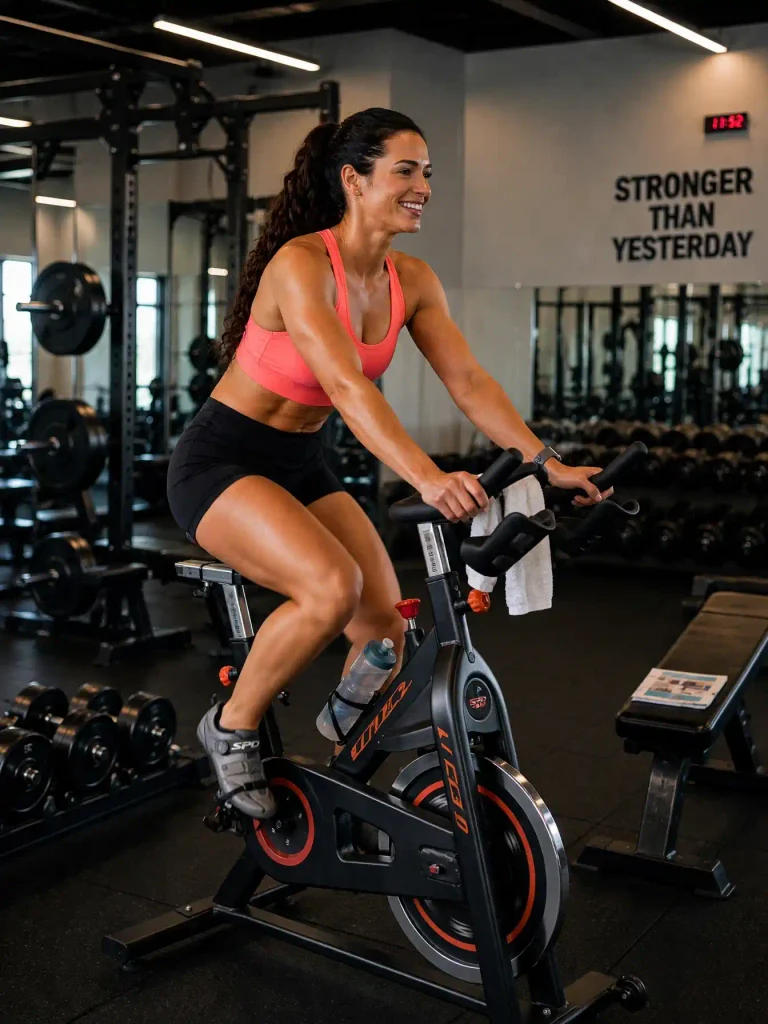
Steady-state cycling involves maintaining a relatively consistent pace and resistance throughout the workout.
It is a good option for beginners because it allows you to focus on breathing, posture, and pedaling technique.
Start with 10 to 20 minutes at a comfortable intensity and gradually adjust the duration as you gain experience.
2. Indoor Cycling Intervals
The secret to boosting new member attendance 200% this January | Les Mills
Interval cycling alternates between periods of slightly higher effort and easier recovery.
For example:
- 2 minutes of easy cycling.
- 1 minute of moderate cycling.
- 2 minutes of easy cycling.
- 1 minute of moderate cycling.
- Repeat as comfortable.
Beginners should start with gentle changes in intensity rather than immediately attempting demanding intervals.
3. Resistance-Based Cycling
Resistance-based cycling involves adjusting the bike’s resistance to change how challenging each pedal stroke feels.
You can begin with light resistance and gradually introduce moderate resistance when comfortable.
Avoid setting the resistance so high that you struggle to pedal smoothly.
4. Virtual Indoor Cycling
Sales of fitness equipment soar by 15.1% on previous year, figures show | The Independent
Virtual cycling uses connected equipment and digital platforms to create interactive indoor riding experiences.
Some applications allow you to explore virtual routes, follow structured workouts, or participate in group rides.
This can be a fun way to make indoor cycling more engaging, especially if you enjoy technology and interactive fitness experiences.
How Often Should Beginners Do Indoor Cycling?
The right cycling frequency depends on your current fitness level, available time, and recovery needs.
If you are new to exercise, start with two or three indoor cycling sessions per week.
Give yourself enough time between more demanding sessions to recover comfortably.
Here is an example of a simple weekly schedule:
| Day | Activity | Duration |
|---|---|---|
| Monday | Easy indoor cycling | 15–20 minutes |
| Tuesday | Rest or gentle walking | — |
| Wednesday | Steady indoor cycling | 20 minutes |
| Thursday | Rest or light activity | — |
| Friday | Beginner cycling intervals | 15–20 minutes |
| Saturday | Walking or another enjoyable activity | Optional |
| Sunday | Rest | — |
You can gradually increase workout duration when your current sessions feel comfortable.
The World Health Organization recommends that adults aim for 150 to 300 minutes of moderate-intensity aerobic physical activity per week, alongside muscle-strengthening activities on at least two days. Beginners can work toward these recommendations gradually.
Common Indoor Cycling Mistakes to Avoid
Although indoor cycling is relatively straightforward, beginners sometimes develop habits that make workouts less comfortable.
Here are some common mistakes to avoid.
1. Setting the Seat at the Wrong Height
An incorrectly positioned seat can affect your pedaling movement and create unnecessary discomfort.
Take time to adjust the seat before each workout, especially if you share your bike with other people.
2. Using Too Much Resistance
Adding too much resistance too quickly can make it difficult to maintain a smooth pedaling rhythm.
Start comfortably and increase the difficulty gradually.
3. Leaning Too Far Forward
Excessive forward leaning can create unnecessary tension around your shoulders, neck, and back.
Keep your shoulders relaxed, your elbows slightly bent, and your back in a comfortable position.
4. Skipping the Warm-Up
Starting immediately with demanding cycling can make your first few minutes feel uncomfortable.
Begin with easy pedaling to prepare for the main part of your session.
5. Forgetting to Drink Water
Indoor cycling can make you sweat, particularly in warm rooms or during longer sessions.
Keep water nearby and drink regularly according to your needs.
6. Ignoring Recovery
Your body needs time to recover between workouts.
Avoid turning every cycling session into a challenging workout. Include easier days and rest days in your weekly schedule.
Tips to Make Indoor Cycling More Enjoyable
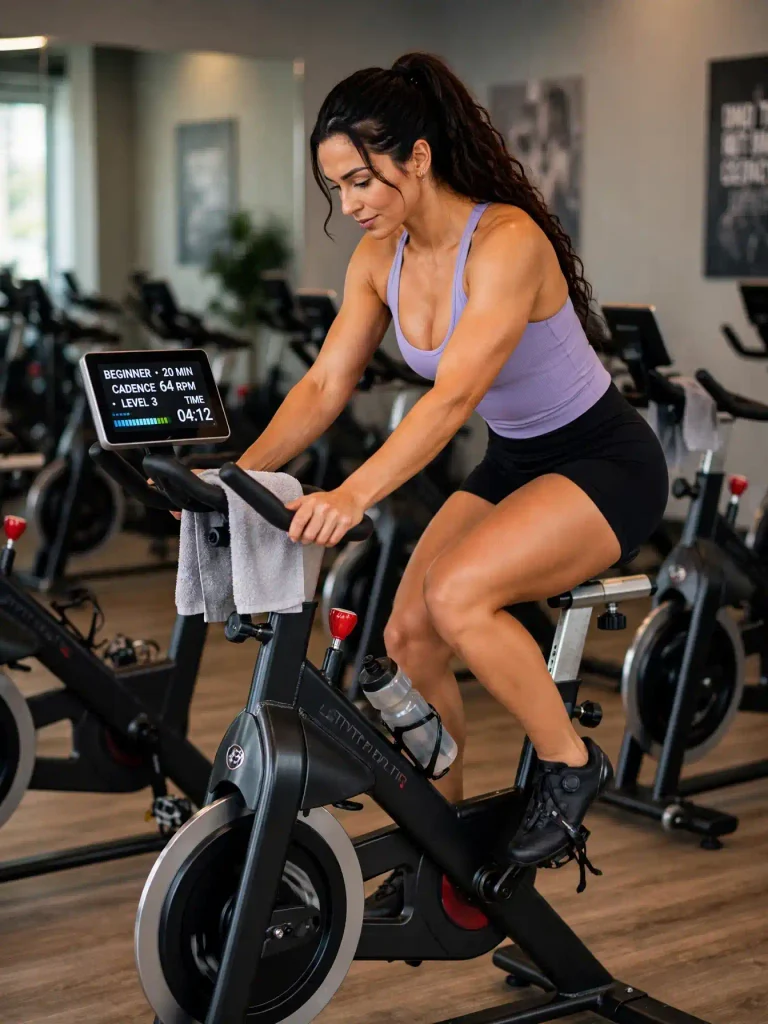
Building a regular indoor cycling habit becomes easier when you make your workouts enjoyable.
Here are some practical ideas:
- Create a comfortable workout space: Choose a well-ventilated area with enough room around your bike.
- Listen to music: Create a playlist that makes cycling sessions more enjoyable.
- Follow beginner videos: Guided workouts can help you understand different cycling techniques.
- Track your activity: Record workout duration, distance, and other available measurements.
- Set realistic goals: Focus on completing regular sessions rather than achieving perfect results.
- Try virtual cycling: Explore interactive cycling applications if you enjoy digital fitness experiences.
- Change your workouts: Alternate between steady cycling and easier sessions to keep your routine interesting.
Small changes can make a big difference in how enjoyable your exercise routine feels.
Indoor Cycling vs Outdoor Cycling: Which Is Better?
Both indoor and outdoor cycling offer useful fitness benefits. The best option depends on your preferences, environment, and lifestyle.
| Feature | Indoor Cycling | Outdoor Cycling |
|---|---|---|
| Weather | Not affected by outdoor weather | Depends on weather conditions |
| Environment | Controlled setting | Changing outdoor surroundings |
| Resistance | Usually manually or automatically controlled | Depends on terrain and cycling conditions |
| Safety | No road traffic required | Requires awareness of traffic and road conditions |
| Convenience | Easy to exercise at home | Requires a suitable outdoor location |
| Variety | Workout programs and virtual routes | Different roads, trails, and landscapes |
Indoor cycling is convenient for people who prefer exercising at home or following structured workouts.
Outdoor cycling offers the opportunity to explore different places and enjoy fresh air.
You do not necessarily need to choose one. Combining both activities can add variety to your fitness routine.
What Equipment Do You Need for Indoor Cycling?
You can get started with a basic stationary bike and a comfortable workout environment.
However, a few additional items may make your experience more convenient.
Bicicleta Spinning Expert Fitness The Beast 18kg — El Rey del entretenimiento
Life Fitness IC7 Indoor Exercise Bike | Peak Flow Fitness
Top 7 Fitness Trackers With Long Battery Life | Irvine, Orange & Laguna Hills | Train With Dave
8
Essential equipment:
- Stationary exercise bike.
- Comfortable workout clothing.
- Suitable athletic shoes.
- Water bottle.
- Small towel.
Optional equipment:
- Heart-rate monitor or smartwatch.
- Cycling computer or fitness tracker.
- Exercise mat to protect the floor.
- Fan for better air circulation.
- Tablet or phone for guided workouts.
You do not need expensive accessories when starting out. Focus on comfortable equipment and a bike that suits your needs.
Final Thoughts
Indoor cycling is a practical and enjoyable way to improve cardiovascular fitness, develop endurance, and build a consistent exercise habit. It offers beginners the flexibility to control workout intensity, choose convenient training times, and exercise without worrying about outdoor conditions.
The best way to get started is to keep things simple. Adjust your stationary bike correctly, begin with short sessions, and gradually explore different cycling workouts as your confidence improves.
Remember that a successful fitness routine does not require intense workouts every day. Consistency, proper recovery, and comfortable progression are much more important for long-term results.
Whether you choose a traditional stationary bike, a spin bike, or a smart indoor cycling system, the key is to find a routine that fits your lifestyle and makes you enjoy staying active.


Comments are closed.
[…] Indoor Cycling for Beginners: A Complete Workout Guide For beginners, indoor cycling offers a convenient and accessible way to get started with regular exercise. You can control the resistance, adjust your workout intensity, and choose how long you want to cycle. Unlike outdoor cycling, indoor workouts allow you to focus on your exercise without worrying about traffic, road conditions, or finding a suitable route. […]