
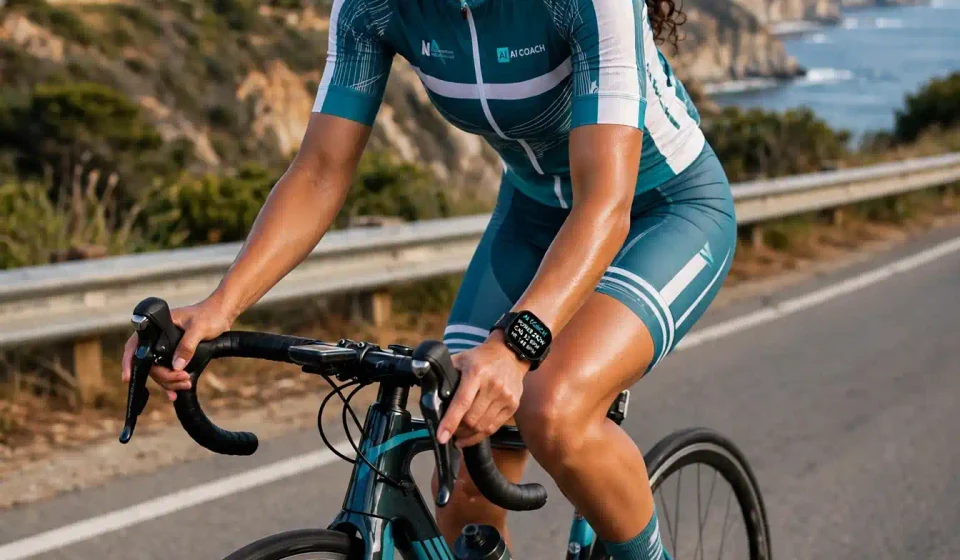

AI cycling training is changing the way cyclists plan their workouts, monitor performance, and improve their overall fitness. By combining artificial intelligence with cycling data, smart training platforms can help riders create more personalized workout plans, understand their progress, and make better training decisions.
AI Cycling Training: How to Build a Smarter Cycling Routine Whether you enjoy outdoor cycling, indoor bike workouts, or structured cycling sessions at home, AI-powered fitness technology can help you build a more organized and effective routine. These tools can analyze information such as heart rate, cycling speed, distance, power output, workout duration, and recovery patterns to provide insights into your performance.
For beginners, AI cycling training can make it easier to understand how different workouts affect the body and how to create a balanced weekly schedule. Instead of following a generic cycling plan, you can use performance data and personalized recommendations to adjust your training according to your experience, goals, and fitness level.
However, using artificial intelligence does not mean you should follow every recommendation without thinking. Understanding your training data, allowing enough time for recovery, and listening to your body remain important parts of a healthy cycling routine.
In this beginner-friendly guide, you will discover how AI cycling training works, how to use smart cycling tools to plan your workouts, which performance metrics matter most, and how to build a smarter cycling routine with the help of artificial intelligence.
What Is AI Cycling Training?
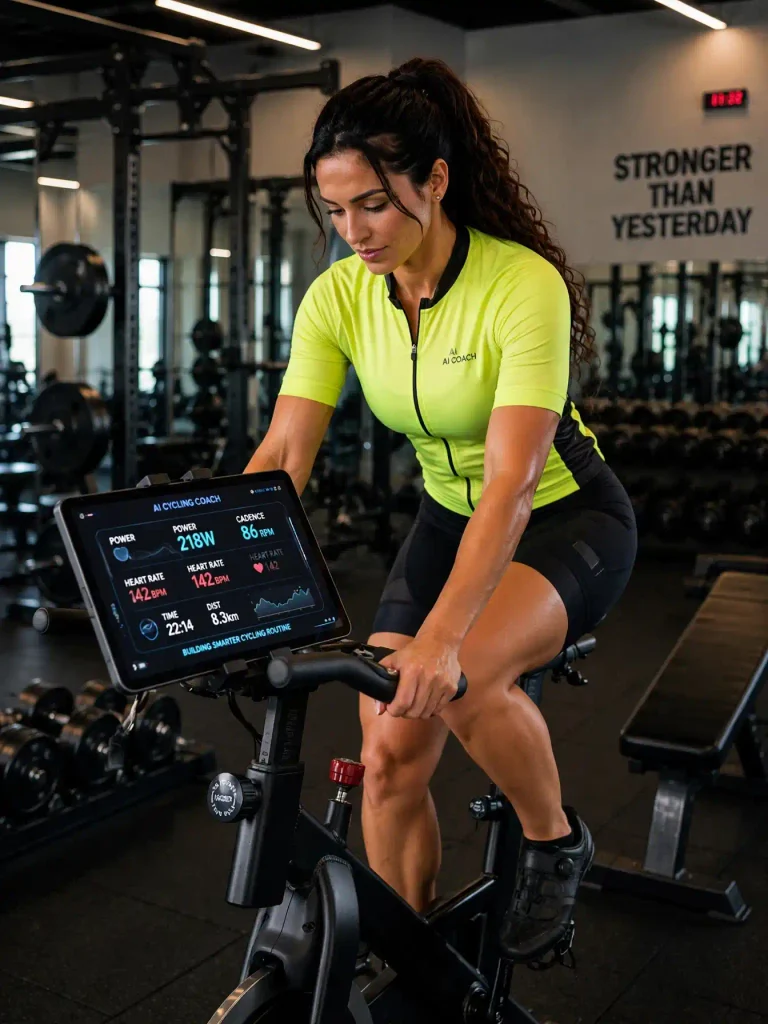
AI cycling training uses artificial intelligence and data analysis to help cyclists organize and personalize their workouts. These systems collect information from connected devices, cycling applications, and fitness trackers to understand performance patterns and suggest adjustments to training plans.
Traditional cycling programs often follow a fixed schedule. AI-powered platforms can offer more flexible recommendations based on your recent workouts, performance trends, and recovery information.
For example, a cycling application may analyze your previous sessions and suggest an easier workout after a demanding training day. It may also recommend gradually increasing workout difficulty as your fitness improves.
Some AI-powered cycling platforms can help with:
- Creating personalized cycling workout plans.
- Monitoring heart rate and cycling performance.
- Tracking distance, speed, and workout duration.
- Analyzing training progress over time.
- Suggesting workout adjustments based on recent activity.
- Identifying patterns in training and recovery.
The goal is to make cycling training more organized, measurable, and adaptable.
How Does AI Improve Cycling Workouts?
Artificial intelligence can make cycling workouts more structured by turning performance information into useful training insights.
Instead of simply recording how far you ride, AI-powered tools can help you understand how your cycling performance changes over time.
Here are some ways this technology can support your routine.
1. Personalized Cycling Workout Plans
One of the biggest advantages of AI cycling training is the ability to create workout recommendations based on individual performance.
A beginner who is just starting cycling may need shorter, easier sessions, while an experienced cyclist may prefer more structured workouts.
AI-powered platforms can use previous training information to suggest sessions that match your current activity level and goals.
For example, your weekly cycling plan might include:
- Easy cycling sessions for general endurance.
- Moderate rides to develop cardiovascular fitness.
- Short interval sessions for variety.
- Recovery days with lighter activity.
- Longer rides to gradually improve endurance.
A personalized plan can make it easier to follow a consistent routine without making every workout unnecessarily challenging.
2. Real-Time Performance Monitoring
Many modern cycling devices can measure performance during a workout.
Depending on the equipment and application, you may be able to monitor:
- Current cycling speed.
- Distance covered.
- Heart rate.
- Cycling power in watts.
- Cadence or pedal revolutions per minute.
- Workout duration.
Some AI-powered platforms use these measurements to provide training insights while you exercise.
For example, if your heart rate is higher than expected during an easy cycling session, you may decide to reduce your effort.
These measurements can help you understand your workout intensity and become more familiar with your cycling performance.
3. Smarter Workout Adjustments
A fixed cycling schedule does not always match how you feel every day.
Your energy, sleep, stress, and recent activity can influence your ability to complete a workout comfortably.
AI-powered training platforms may use available information to suggest changes to your planned sessions.
For example, after a demanding cycling workout, an application might recommend an easier ride or an additional recovery day.
These suggestions can help you avoid following a rigid schedule when your recent performance indicates that a lighter session may be more appropriate.
However, automated recommendations are not medical advice. Your comfort and overall well-being should always come first.
Best Fitness Metrics to Track During Cycling
Tracking the right information can help you understand your progress and make better decisions about your cycling routine.
You do not need to monitor every available measurement. Beginners can start with a few basic metrics and gradually explore more advanced performance data.
| Fitness Metric | What It Measures | Why It Matters |
|---|---|---|
| Heart Rate | Heartbeats per minute | Helps understand workout intensity |
| Cycling Speed | How fast you ride | Tracks changes in cycling performance |
| Distance | Total distance covered | Measures cycling activity |
| Cadence | Pedal revolutions per minute | Helps monitor pedaling rhythm |
| Power Output | Cycling effort in watts | Measures physical workload |
| Workout Duration | Time spent cycling | Helps organize training sessions |
| Recovery Data | Information about rest and recovery | Supports better training decisions |
For beginners, heart rate, distance, and workout duration are useful starting points. More experienced cyclists may also benefit from monitoring cadence and power output.
How to Build an AI-Powered Cycling Routine
Building a smarter cycling routine does not require expensive equipment or advanced technical knowledge.
You can begin with a simple plan and use available technology to understand your progress.
Step 1: Define Your Cycling Goals
Before choosing an AI cycling application, think about what you want to achieve.
Some people cycle to improve cardiovascular fitness, while others enjoy cycling as a way to stay active, explore outdoor routes, or develop endurance.
Your goals will influence the type of workouts you choose.
Examples include:
- Building a consistent cycling habit.
- Improving general cardiovascular fitness.
- Developing cycling endurance.
- Becoming more comfortable with longer rides.
- Adding variety to an existing fitness routine.
Start with realistic goals that match your current experience.
Step 2: Choose the Right Cycling Technology
There are different types of devices and applications that can support AI cycling training.
Depending on your needs, you might consider:
- A smartwatch for basic activity and heart-rate tracking.
- A cycling computer for speed, distance, and route information.
- A smart indoor bike for connected cycling workouts.
- A power meter for measuring cycling power.
- A fitness application for recording and analyzing workouts.
You do not need all these devices to get started. A basic fitness tracker and a suitable cycling application may provide enough information for a beginner.
Step 3: Start With Your Current Fitness Level
Before following an advanced training program, establish a comfortable starting point.
Begin with manageable cycling sessions and record basic information such as workout duration, distance, and perceived effort.
This information gives an AI-powered platform a starting point for understanding your activity patterns.
Avoid increasing your training intensity too quickly. Building consistency is more important than trying to achieve rapid improvements.
Step 4: Follow a Balanced Weekly Schedule
A balanced cycling routine should include different types of sessions rather than repeating the same workout every day.
For example, a beginner-friendly weekly structure could look like this:
| Day | Cycling Activity | Main Purpose |
|---|---|---|
| Monday | Easy cycling | Build consistency |
| Tuesday | Rest or gentle movement | Recovery |
| Wednesday | Moderate cycling | Develop endurance |
| Thursday | Rest | Recovery |
| Friday | Short cycling session | Maintain activity |
| Saturday | Comfortable longer ride | Build cycling experience |
| Sunday | Rest or light activity | Prepare for the next week |
You can adjust this schedule according to your experience, available time, and recovery needs.
An AI training platform may help organize your sessions, but it should not replace common-sense adjustments when you need more rest.
Step 5: Review Your Cycling Progress
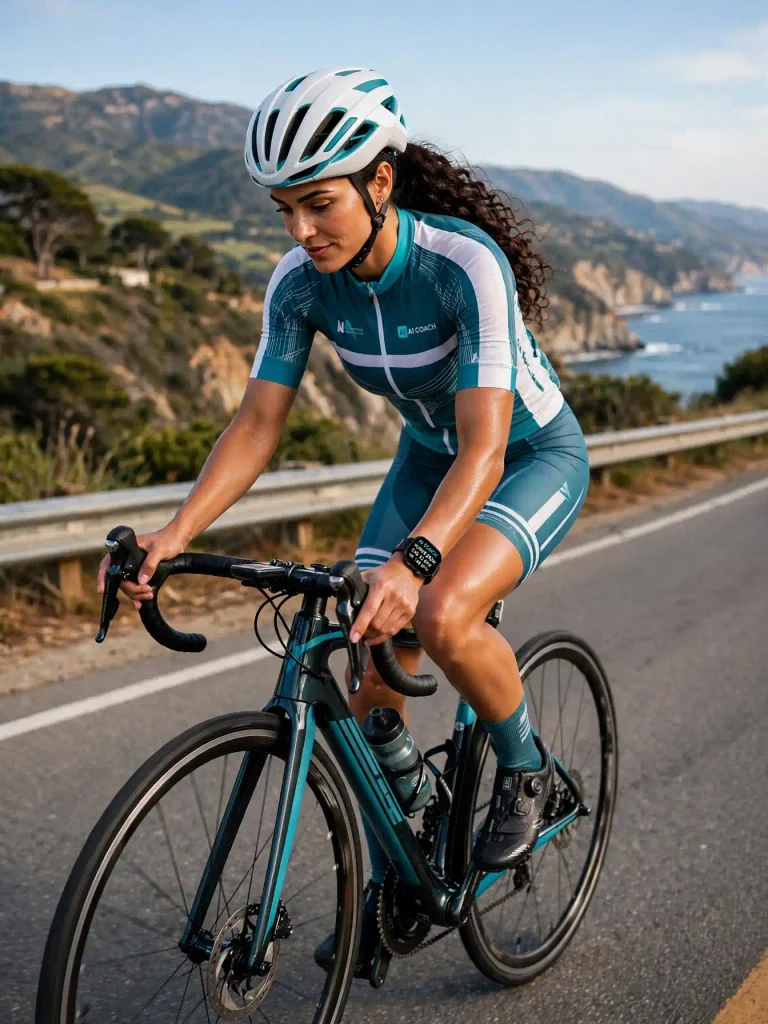
After completing several workouts, take time to review your activity data.
Look for patterns rather than focusing on individual sessions.
For example:
- Are you becoming more comfortable during regular rides?
- Can you maintain a steady pace more easily?
- Are you completing your planned sessions consistently?
- Are your recovery days helping you feel refreshed?
- Are your cycling sessions becoming more enjoyable?
These observations can help you decide whether your routine needs small adjustments.
Best AI Cycling Training Tools and Apps
Several cycling platforms offer connected training features, performance analysis, or personalized workout recommendations.
The right option depends on whether you prefer outdoor cycling, indoor training, or a combination of both.
1. Garmin Connect
Best for fitness tracking and cycling performance data
Garmin Connect helps cyclists record and review their activities using compatible Garmin devices.
It provides information about distance, speed, heart rate, and other performance measurements. Depending on the connected device, users can also access training and recovery insights.
It can be a useful option for cyclists who want to understand their activity patterns over time.
2. Strava
Best for tracking rides and comparing performance
Les meilleures applications gratuites pour faire du vélo sur iPhone et Android
Strava is a popular platform for recording cycling activities, exploring routes, and reviewing performance.
Its features include activity history, route tracking, performance comparisons, and personalized insights.
Cyclists can use the platform to monitor their progress and stay motivated through structured activity tracking.
3. TrainingPeaks
Best for structured cycling training
TrainingPeaks Guide For Cyclist and Triathletes | Move Up
TrainingPeaks helps athletes organize structured training plans and analyze performance information.
Cyclists can review their training history, follow scheduled workouts, and monitor training load.
It is particularly useful for people who want a more organized approach to cycling workouts.
4. Zwift
Best for interactive indoor cycling
Best indoor cycling apps 2026: Which is right for you? | Cyclingnews
Zwift combines indoor cycling with virtual environments and structured workouts.
Users can connect compatible indoor bikes and trainers to ride through digital cycling worlds.
It offers training plans, group rides, and interactive workouts that make indoor cycling more engaging.
5. Wahoo SYSTM
Best for structured indoor and outdoor training support
Wahoo SYSTM explained: pricing, training plans and what you need to get started
Wahoo SYSTM provides structured cycling workouts and training plans designed for different experience levels.
It combines workout sessions with training information to help cyclists organize their exercise routines.
It can be useful for riders who prefer following planned sessions instead of choosing workouts randomly.
Note: These platforms offer different levels of automation and personalization. Not every feature is powered by AI, and availability may depend on your device or subscription.
AI Cycling Training for Beginners: Common Mistakes to Avoid
Although AI technology can make cycling training easier to organize, beginners should avoid relying too heavily on automated recommendations.
Here are some common mistakes to watch out for.
Following Every AI Recommendation
AI-generated workout suggestions are based on available information, but they cannot fully understand how you feel.
If you feel unusually tired or uncomfortable, consider taking an easier day instead of forcing yourself to complete a demanding session.
Tracking Too Many Metrics
Looking at too many numbers can make cycling unnecessarily complicated.
Start with basic measurements such as distance, duration, and heart rate. Add more advanced metrics only when you understand how they support your training.
Ignoring Recovery
Recovery is an important part of any cycling routine.
Your weekly schedule should include enough time for rest and lighter activity. More training is not automatically better.
Increasing Training Intensity Too Quickly
Beginners sometimes feel motivated to increase workout difficulty after seeing positive results.
However, gradual progression is a more sustainable approach. Give yourself time to become comfortable with each stage of your routine.
Comparing Your Results With Other Cyclists
Fitness trackers and cycling applications often make it easy to compare performance with other users.
Remember that everyone has different experience levels, schedules, and training backgrounds.
Focus on your own progress instead of trying to match someone else’s performance.
Benefits of Using AI for Cycling Training
AI-powered cycling technology can offer several advantages when used as part of a balanced exercise routine.
More personalized workouts: Training suggestions can reflect your recent activity and performance history.
Better performance tracking: Connected devices make it easier to review cycling data and identify changes over time.
Improved organization: Training applications can help you plan sessions and maintain a consistent weekly schedule.
More informed decisions: Performance data can help you understand when to adjust workout intensity or allow more recovery time.
Greater motivation: Seeing your activity history and completing planned sessions can encourage consistent participation.
Flexible training: Digital platforms can make it easier to organize workouts around your available time and preferred cycling environment.
Is AI Cycling Training Worth It?
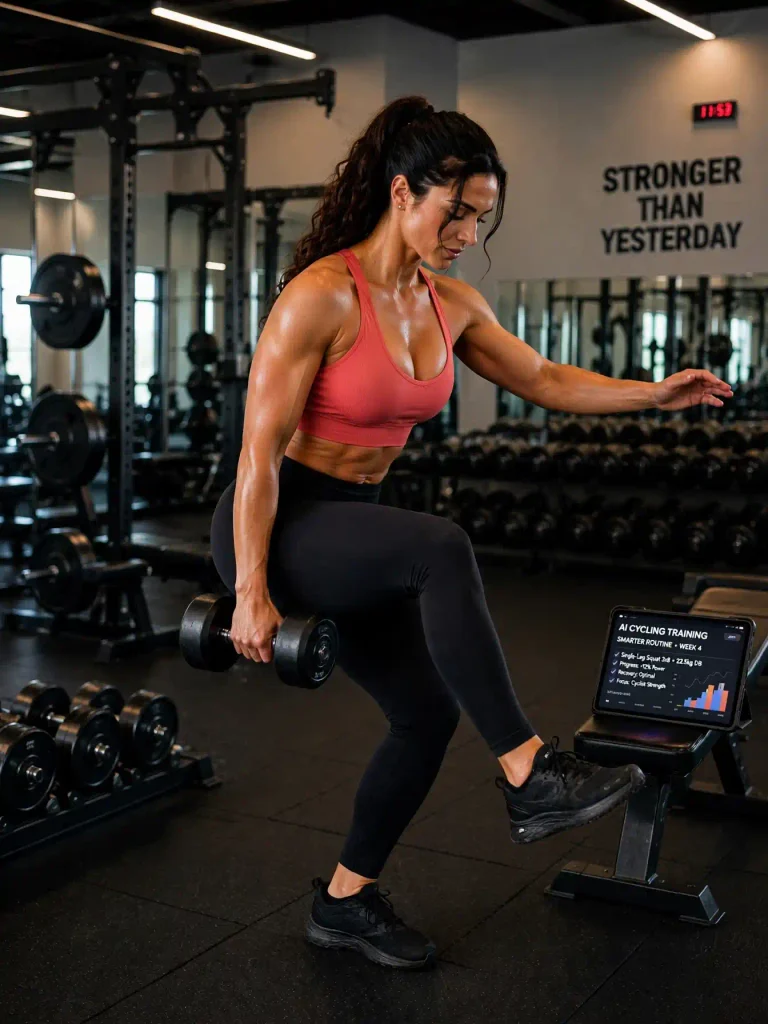
AI cycling training can be a useful option for people who want a more organized and personalized approach to exercise.
For beginners, it offers an easier way to record workouts, understand basic performance measurements, and develop a consistent cycling routine.
More experienced cyclists may appreciate the additional training analysis and structured workout recommendations available through connected platforms.
However, you do not need expensive equipment or a premium subscription to enjoy the benefits of cycling. A bicycle, a comfortable route, and a realistic weekly schedule are enough to get started.
Think of artificial intelligence as a helpful training assistant rather than a replacement for your own judgment.
Final Thoughts
AI cycling training is making it easier to understand cycling performance, organize workouts, and develop more personalized fitness routines. By combining connected devices, training applications, and useful performance data, cyclists can make more informed decisions about their exercise habits.
If you are a beginner, start with simple cycling sessions, track a few important measurements, and gradually build a routine that fits your lifestyle. Use AI-powered recommendations to support your planning, but remember that consistency, recovery, and enjoyment are essential for long-term progress.
The smartest cycling routine is not necessarily the most complicated one. It is the one you can follow comfortably and consistently over time.

Comments are closed.
[…] There are several types of indoor cycling equipment: […]