


Finishing a workout is only one part of building a healthy fitness routine. What you do afterward also matters. Giving your body enough time to rest, eating balanced meals, staying hydrated, and getting quality sleep can all support the recovery process.
Whether you enjoy strength training, Pilates, running, cycling, or home workouts, a consistent post-workout recovery routine can help you feel more comfortable between sessions and prepare for your next activity.
Post-Workout Recovery Routine: 7 Habits to Support Better Recovery Recovery does not need to be complicated. You do not need expensive equipment, special supplements, or a long list of complicated techniques. A few simple habits can make a meaningful difference to how you manage your exercise routine.
In this guide, you will discover seven post-workout recovery habits, learn what to do immediately after exercising, and find an easy routine you can adapt to your schedule.
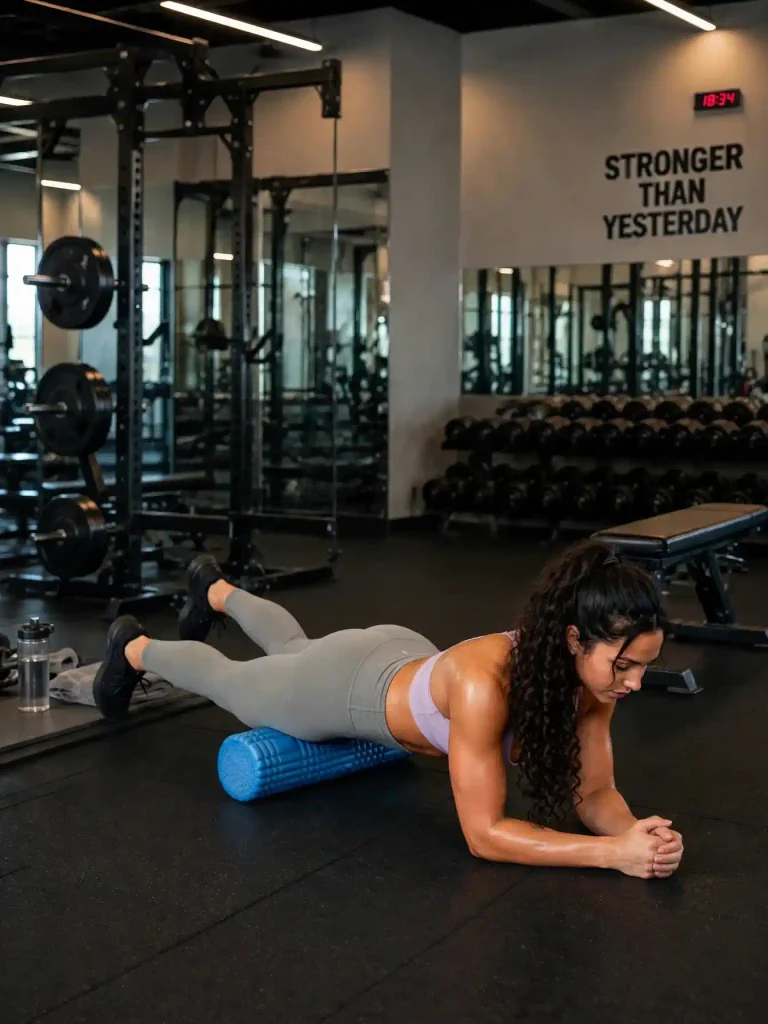
Why Is Post-Workout Recovery Important?
During exercise, your body works harder than it does during everyday rest. Your muscles use energy, your breathing becomes faster, and your cardiovascular system responds to the demands of movement.
After a workout, your body begins adapting to the activity and restoring the resources it used.
Recovery is important because it helps support:
- Muscle repair: Your body repairs and adapts to the small amounts of muscle stress associated with exercise.
- Energy restoration: Eating balanced meals helps replenish energy used during physical activity.
- Hydration: Replacing fluids lost through sweating supports normal body functions.
- Sleep and relaxation: Rest gives your body time to recover between activities.
- Training consistency: A balanced approach can make it easier to maintain regular exercise without feeling constantly exhausted.
The amount of recovery you need depends on the type of workout, its duration, your experience, sleep, nutrition, and overall health.
7 Post-Workout Recovery Habits to Support Better Recovery
You do not need to follow a complicated recovery programme after every workout. These seven habits provide a simple foundation for looking after your body after physical activity.
1. Cool Down After Your Workout
<AsyncImage query=”person doing gentle cooldown walking on treadmill after exercise fitness gym” aspectRatio=”16:9″ width=”100%”/>
After finishing a demanding workout, avoid stopping suddenly if you have been moving at a high intensity.
A short cool-down allows you to gradually reduce your activity level and return to a more relaxed state.
What to do:
- Reduce your exercise speed gradually.
- Walk slowly for a few minutes.
- Relax your shoulders and arms.
- Take comfortable, steady breaths.
- Finish when your breathing feels more settled.
A cool-down can be especially useful after running, cycling, circuit training, or other activities that raise your heart rate.
2. Drink Enough Water
<AsyncImage query=”clear water bottle and glass of water on gym workout bench fitness recovery” aspectRatio=”16:9″ width=”100%”/>
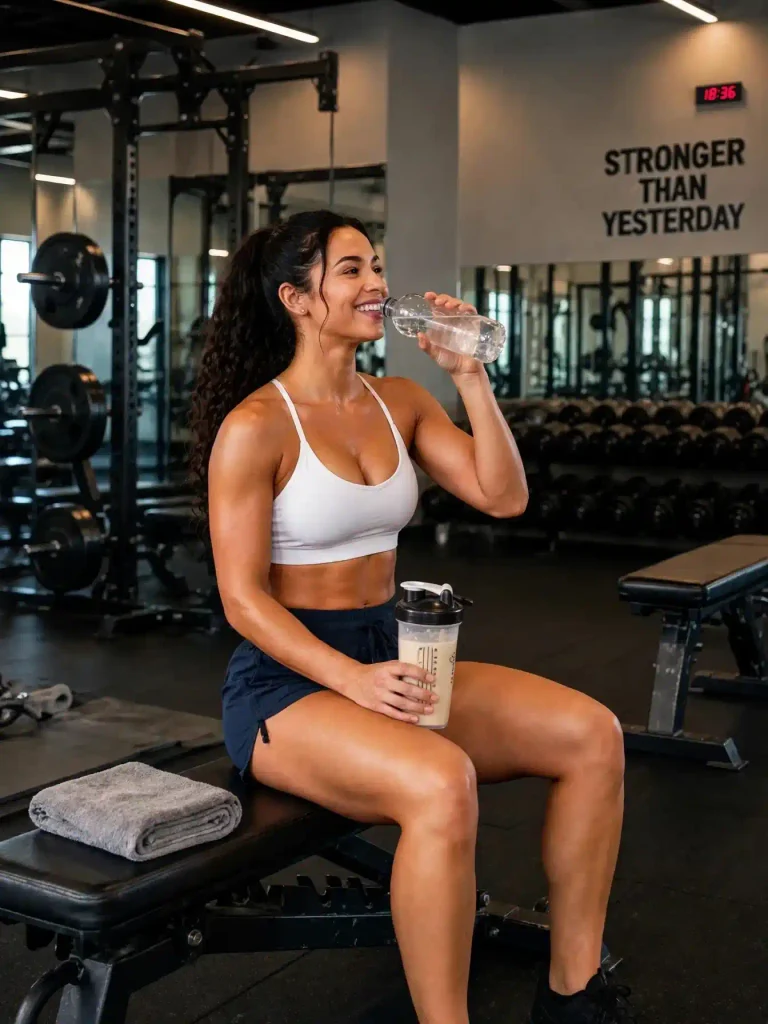
Hydration is an important part of recovery. You lose water through sweating during exercise, and the amount depends on factors such as temperature, workout duration, and intensity.
Drinking water throughout the day helps replace normal fluid losses.
Simple hydration habits:
- Drink water regularly rather than waiting until you feel very thirsty.
- Have some water after your workout.
- Drink more when exercising in hot weather or sweating heavily.
- Pay attention to thirst and other signs that you may need more fluids.
For most ordinary workouts, water is a practical choice. Longer or particularly sweaty sessions may require additional attention to fluid and electrolyte replacement.
3. Eat a Balanced Post-Workout Meal
<AsyncImage query=”balanced healthy post workout meal grilled chicken rice vegetables avocado plate” aspectRatio=”16:9″ width=”100%”/>
Food provides the nutrients your body needs to maintain normal functions and recover after physical activity.
A balanced meal containing carbohydrates, protein, and healthy fats can be a useful part of your post-workout routine.
Examples of balanced post-workout meals include:
- Eggs with wholegrain toast and fruit.
- Chicken with rice and vegetables.
- Greek yogurt with oats and berries.
- Beans with potatoes and a mixed salad.
- Fish with wholegrain bread and vegetables.
Carbohydrates help replenish energy stores, while protein provides amino acids used in muscle repair and maintenance.
You do not need a complicated meal plan or special recovery products. Regular, balanced meals throughout the day are a good foundation.
4. Get Enough Quality Sleep
<AsyncImage query=”calm cozy bedroom comfortable bed warm natural morning light sleep wellness” aspectRatio=”16:9″ width=”100%”/>
Sleep is one of the most important parts of a healthy recovery routine.
During sleep, your body carries out many processes involved in tissue maintenance, repair, and normal regulation. Poor or insufficient sleep can also affect energy, concentration, and how comfortable exercise feels.
Habits that support better sleep:
- Keep a consistent bedtime and wake-up schedule.
- Make your bedroom comfortable and quiet.
- Reduce screen use before bedtime when possible.
- Avoid scheduling demanding workouts too close to bedtime if they affect your sleep.
- Allow enough time for rest, especially during periods of regular exercise.
For teenagers, around 8–10 hours of sleep per night is generally recommended. Adults typically need 7–9 hours.
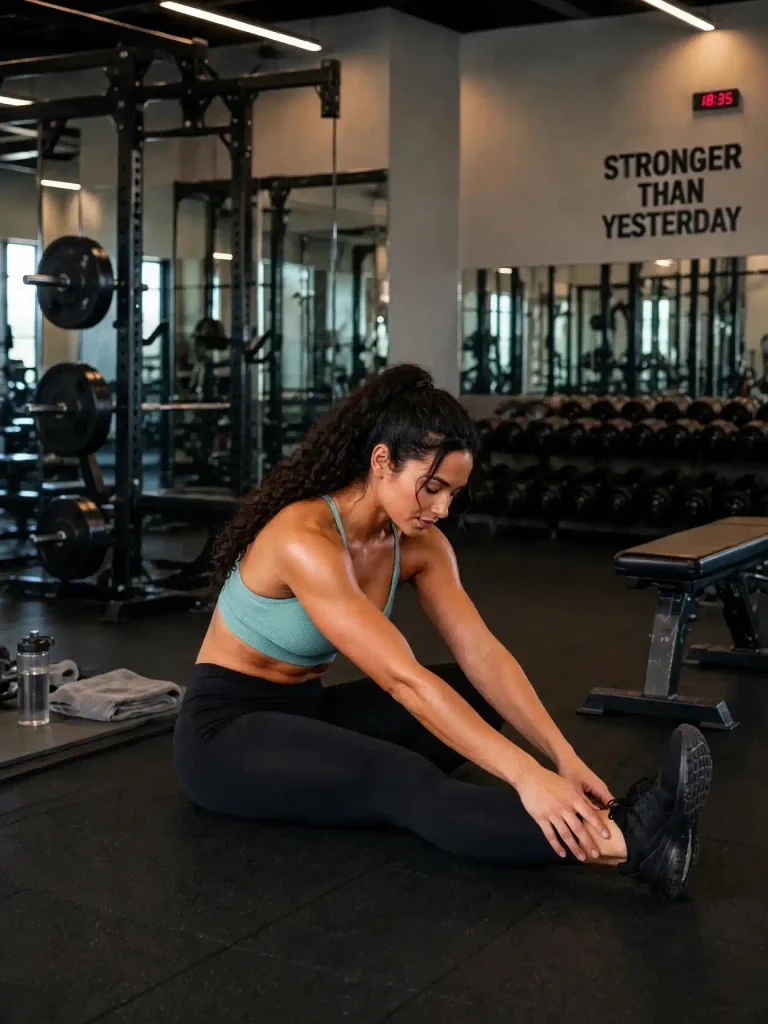
5. Try Gentle Stretching and Mobility
<AsyncImage query=”person performing gentle hamstring stretching on exercise mat after workout” aspectRatio=”16:9″ width=”100%”/>
Gentle stretching can help you relax after exercise and maintain comfortable movement.
You do not need to stretch aggressively or force your body into uncomfortable positions. A few easy movements are enough for a simple post-workout routine.
Try these gentle movements:
- Standing calf stretch: Place one foot behind the other and gently lean forward.
- Hamstring stretch: Extend one leg comfortably and hinge slightly at the hips.
- Shoulder stretch: Bring one arm across your chest and gently support it with the other.
- Chest opener: Bring your arms gently behind your body without forcing the movement.
- Hip mobility: Perform slow, comfortable hip circles.
Hold each stretch for around 15–20 seconds if comfortable. Stop if you feel pain, tingling, or unusual discomfort.
6. Include Rest Days and Active Recovery
<AsyncImage query=”person enjoying gentle outdoor walking in green park wellness active recovery” aspectRatio=”16:9″ width=”100%”/>
Not every day needs to be a workout day. Rest gives your body time to adapt to physical activity and helps prevent your schedule from becoming unnecessarily demanding.
Active recovery is another option. It involves choosing gentle movement instead of a challenging workout.
Examples of active recovery include:
- Easy walking.
- Gentle cycling.
- Relaxed swimming.
- Light mobility exercises.
- Gentle yoga.
- Comfortable stretching.
Choose an activity that feels refreshing rather than exhausting.
If you feel unusually tired or uncomfortable, complete rest may be more appropriate than active recovery.
7. Pay Attention to How Your Body Feels
<AsyncImage query=”person relaxing after workout sitting on yoga mat in bright fitness studio wellness” aspectRatio=”16:9″ width=”100%”/>
Your body provides useful information about how it responds to exercise.
Some muscle tiredness or temporary soreness can occur after unfamiliar physical activity. However, not every type of discomfort should be ignored.
Pay attention to:
- Your general energy levels.
- How well you slept.
- Whether muscle soreness is improving.
- Your comfort during everyday movement.
- Whether your usual activities feel manageable.
Fitness trackers can also provide information such as resting heart rate, sleep duration, and activity levels. These measurements may help you notice patterns, but they should not replace how you feel.
If you experience sharp pain, significant swelling, dizziness, or symptoms that concern you, stop exercising and seek appropriate medical advice.
A Simple 15-Minute Post-Workout Recovery Routine
You can use this short routine after many ordinary workouts. Adjust it depending on how demanding your session was and how you feel.
| Step | Activity | Time |
|---|---|---|
| 1 | Slow walking | 3 minutes |
| 2 | Comfortable breathing and relaxation | 2 minutes |
| 3 | Gentle calf stretching | 2 minutes |
| 4 | Gentle hamstring stretching | 2 minutes |
| 5 | Shoulder and chest mobility | 2 minutes |
| 6 | Gentle hip mobility | 2 minutes |
| 7 | Water and a moment to relax | 2 minutes |
This routine is flexible. You can shorten it, change the movements, or skip stretching if it does not feel comfortable.
Remember that recovery continues after these 15 minutes through regular meals, hydration, sleep, and rest.
How Long Does It Take to Recover After a Workout?
There is no single recovery time that applies to every workout.
A gentle walk may require very little additional recovery, while an unfamiliar or demanding strength workout may leave your muscles feeling tired for longer.
Recovery depends on several factors:
- Workout intensity and duration.
- The type of exercise.
- Your experience and training history.
- Sleep quality.
- Nutrition and hydration.
- Stress and general health.
Instead of following a strict recovery countdown, pay attention to how you feel and allow enough time before repeating a demanding session.
Common Post-Workout Recovery Mistakes to Avoid
Even simple recovery habits can be misunderstood. Here are some common mistakes worth avoiding.
Skipping Meals After Exercise
Regular meals provide energy and nutrients that support normal recovery. Avoid treating food as something you need to earn through exercise.
Forgetting to Hydrate
You may not always notice how much fluid you lose while exercising. Make drinking water regularly part of your daily routine.
Stretching Too Aggressively
Stretching should feel controlled and comfortable. Forcing a movement or pushing through pain is unnecessary.
Exercising Hard Every Day
More exercise is not always better. A balanced schedule includes lighter sessions and rest days.
Ignoring Persistent Discomfort
Normal muscle soreness should gradually improve. Pain that is severe, persistent, or unusual deserves attention rather than another demanding workout.
Depending Only on Fitness Trackers
Wearable devices can provide useful information, but they cannot measure every aspect of recovery. Combine their readings with your energy, sleep, and general well-being.
Frequently Asked Questions About Post-Workout Recovery
What should I do immediately after a workout?
Start by gradually reducing your activity, especially after a demanding session. Walk slowly, drink water, and allow your breathing to settle. You can then continue with your normal meals and recovery habits.
What is the best food to eat after exercise?
There is no single best recovery food. Balanced meals containing protein, carbohydrates, and other nutrients are useful options. Examples include eggs with toast, yogurt with oats, chicken with rice, and beans with vegetables.
Is stretching necessary after every workout?
Stretching is optional. Gentle stretching can help you relax and maintain comfortable movement, but it is not essential after every session. Avoid forcing stretches or stretching through pain.
Is walking good for recovery?
Easy walking can be a useful active recovery activity. It provides gentle movement without the demands of a challenging workout. However, if you feel exhausted or unwell, resting may be a better choice.
How many rest days should I take each week?
The number of rest days depends on your activity level, exercise experience, and overall schedule. A balanced routine should include easier days and opportunities for recovery. Beginners should avoid feeling that they must exercise every day.
Does sleep help muscle recovery?
Yes. Sleep supports normal body functions involved in tissue repair, energy regulation, and general recovery. Consistent, sufficient sleep is an important part of a healthy fitness routine.
Can I work out when my muscles are sore?
Mild muscle soreness does not always mean you need complete rest. Gentle activity may feel comfortable, but avoid demanding exercise when soreness affects your movement. Severe or unusual pain should not be treated as ordinary muscle soreness.
Final Thoughts
A good post-workout recovery routine does not need to be complicated. Simple habits such as cooling down, drinking enough water, eating balanced meals, getting quality sleep, and allowing time for rest can support your overall fitness routine.
The seven habits in this guide provide a practical starting point for anyone who wants to look after their body after exercise.
Remember that recovery is not a race. Give yourself time to rest, pay attention to how you feel, and build a routine that fits your everyday life.
The best recovery routine is one you can follow consistently while keeping exercise enjoyable, balanced, and sustainable.


Comments are closed.
[…] at the gym to benefit from strength training. Beginners can start with simple bodyweight exercises, resistance bands, or light weights and gradually build a routine that suits their […]