
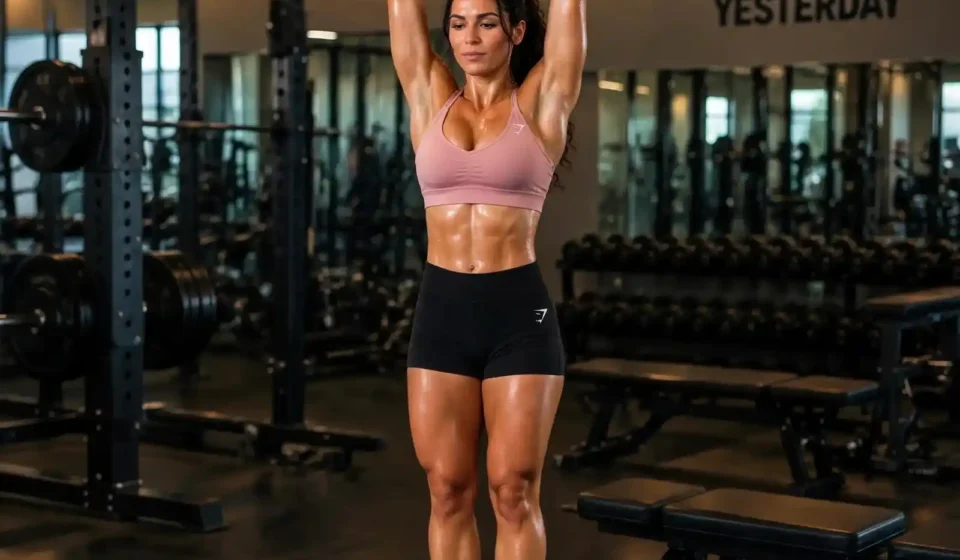

The dead hang is a simple bodyweight exercise that involves holding onto a pull-up bar while allowing your body to hang beneath it. Although it looks easy, this exercise can challenge your grip, engage your upper-body muscles, and help you become more comfortable supporting your body weight.
Dead Hang Exercise: Benefits, Technique, and Beginner Tips You don’t need an advanced workout routine or complicated equipment to try a dead hang. A secure pull-up bar and a little practice are enough to get started.
Whether you’re new to strength training or looking for a simple addition to your fitness routine, this guide covers the potential benefits of the dead hang, how to perform it correctly, and beginner-friendly tips to help you practice safely.
What Is a Dead Hang?
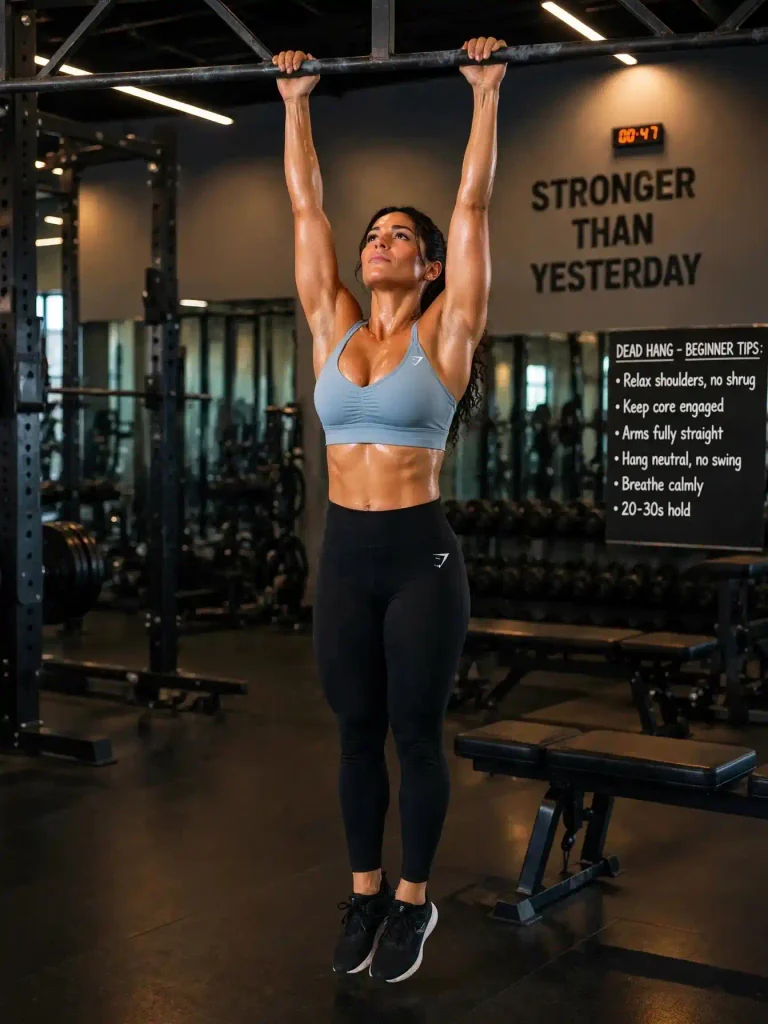
A dead hang is an exercise in which you hold onto an overhead bar with both hands while your feet remain off the ground.
Your arms stay extended, and your body hangs beneath the bar. Depending on your comfort and experience, you can keep your shoulders relaxed or use a slightly more active shoulder position.
The dead hang is commonly included in strength-training routines because it challenges grip strength and develops familiarity with supporting your body weight.
There are also variations that make the exercise easier or more challenging.
Benefits of the Dead Hang Exercise
Dead hangs can offer several benefits when performed with proper technique and included in a balanced fitness routine.
1. Helps Develop Grip Strength
One of the main benefits of dead hangs is that they challenge the muscles responsible for gripping.
Holding onto a bar requires your hands and forearms to work together. Over time, practicing comfortable hanging exercises may help improve grip endurance.
Grip strength is useful for many everyday activities, including carrying bags, opening containers, and holding objects.
2. Engages the Upper Body
Although the hands and forearms do much of the gripping work, the shoulders and upper back also help support your hanging position.
This makes the dead hang a useful exercise for developing awareness and control of the upper body.
3. Builds Familiarity With Pull-Up Movements
If you’re interested in learning pull-ups eventually, dead hangs can be a useful starting point.
They help beginners become comfortable holding onto a bar and supporting their body weight before moving on to more advanced exercises.
However, dead hangs alone do not provide all the strength needed for a pull-up. Other exercises, such as rows and assisted pull-ups, can help develop additional strength.
4. Encourages Shoulder Awareness
Dead hangs introduce you to different shoulder positions and help you become more aware of how your shoulders move.
Some people find gentle hanging comfortable, but it is not appropriate for every shoulder condition. Avoid forcing your shoulders into a position that causes pain or discomfort.
5. Provides a Simple Exercise Option
Dead hangs require very little equipment and can be included in many strength-training routines.
You can practice them at a gym or at home if you have a properly installed, weight-rated pull-up bar.
How to Perform a Dead Hang Correctly
Learning the correct technique is important, especially if you’re trying the exercise for the first time.
Follow these steps:
- Find a secure pull-up bar: Make sure the bar is properly installed and designed to support your body weight.
- Position your hands: Hold the bar with both hands, approximately shoulder-width apart or at a comfortable width.
- Lift your feet: Step carefully into the hanging position using a stable platform if necessary.
- Extend your arms: Allow your arms to straighten naturally without forcing your elbows.
- Keep your body controlled: Avoid excessive swinging or sudden movements.
- Breathe normally: Don’t hold your breath while hanging.
- Finish carefully: Return your feet to a stable surface before releasing your grip.
Start with a comfortable hold rather than trying to hang for as long as possible.
Different Types of Dead Hangs
There are several dead hang variations. Beginners should start with the simplest option and progress only when they feel comfortable.
1. Passive Dead Hang
A passive dead hang involves holding the bar with your arms extended and allowing your body to hang naturally.
It is often used to practice grip endurance and become familiar with the hanging position.
2. Active Dead Hang
An active dead hang involves gently engaging the muscles around your shoulders and upper back instead of completely relaxing into the hanging position.
Keep the movement small and controlled. Avoid forcing your shoulders downward.
3. Assisted Dead Hang
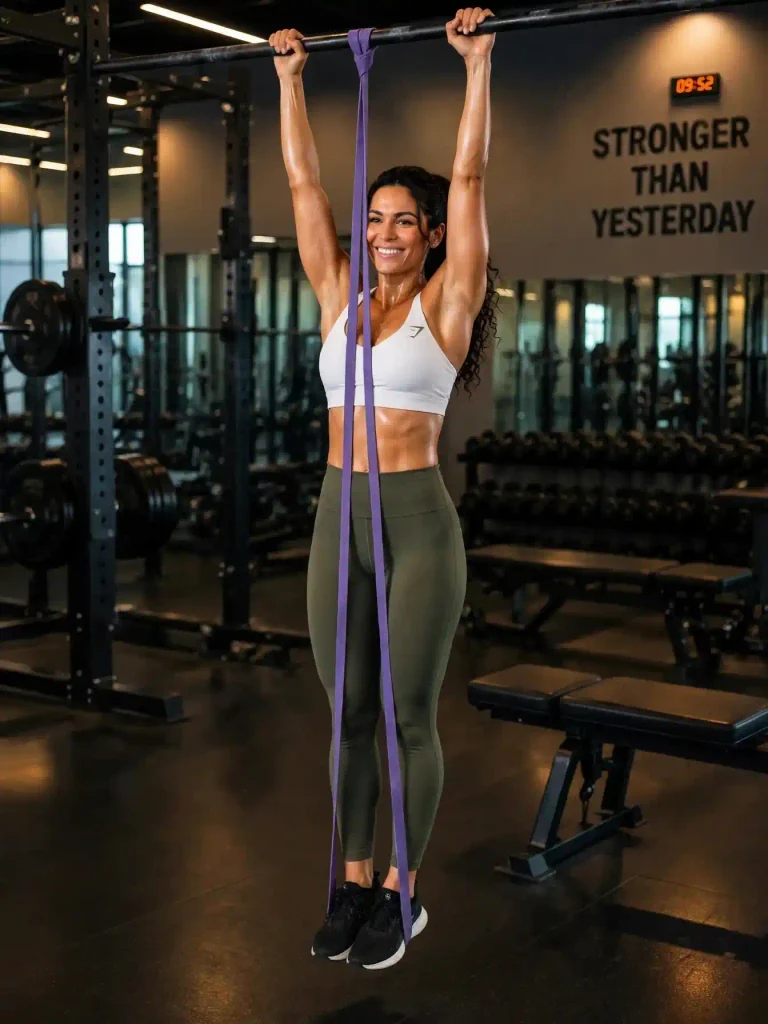
An assisted dead hang is a useful option for people who are not ready to support their full body weight.
You can keep your feet lightly supported on a stable platform while holding the bar. This allows you to practice your grip without taking on the full challenge of an unsupported hang.
4. Towel Grip Hang
This variation involves holding a secure towel arrangement designed for hanging exercises.
It places a different challenge on your grip, so it is generally better suited to people who already have experience with regular dead hangs. Make sure any equipment is specifically designed and safely secured for this purpose.
Beginner Dead Hang Workout Plan
If you’re new to the exercise, start with short, comfortable holds and focus on learning the technique.
Here is a simple example:
| Exercise | Suggested practice |
|---|---|
| Assisted dead hang | 2 comfortable holds |
| Regular dead hang | 1–2 short holds, if comfortable |
| Gentle forearm movement | 30 seconds |
| Rest | As needed between attempts |
There is no need to reach a specific hanging time. Your starting point will depend on your grip strength, comfort, and experience.
You can include dead hangs as a small part of an upper-body workout rather than making them the focus of your entire session.
Common Dead Hang Mistakes to Avoid
Even a simple exercise requires attention to technique. Here are some common mistakes beginners should avoid.
1. Trying to Hold for Too Long
Longer holds are not automatically better. Start with a comfortable duration and stop before your grip becomes unreliable.
2. Using an Unstable Bar
Always check that your pull-up bar is properly installed and suitable for supporting your weight.
3. Holding Your Breath
Remember to breathe naturally throughout the exercise.
4. Swinging Excessively
Avoid using momentum or swinging your body to maintain the position. Keep your movement controlled.
5. Ignoring Shoulder Discomfort
A dead hang should not cause sharp pain or uncomfortable pressure. Modify the position or stop if something does not feel right.
6. Skipping Recovery
Your hands and forearms need time to recover, just like other muscles involved in strength training.
Beginner Tips for Improving Your Dead Hang
If you want to become more comfortable with dead hangs, keep these practical tips in mind.
- Start with assisted holds: Use light foot support if a full hang feels too challenging.
- Choose a comfortable grip: Your hands should feel secure without unnecessary strain.
- Practice consistently: Include occasional short sessions in a balanced routine.
- Rest between attempts: Give your hands and forearms time to recover.
- Focus on control: Avoid swinging or rushing into the hanging position.
- Progress gradually: Change only one aspect of the exercise at a time, such as the level of assistance or the duration.
Remember that progress looks different for everyone. There is no need to compare your hanging time with someone else’s.
Is the Dead Hang Exercise Suitable for Beginners?
The dead hang can be adapted for beginners, especially with a supported version.
However, it may not be suitable for everyone. People with shoulder, elbow, wrist, or hand injuries should seek guidance from a qualified healthcare professional before trying it.
If you are unsure whether you can support your body weight safely, begin with an appropriate assisted exercise under suitable
supervision.
Dead Hang vs. Pull-Ups: What’s the Difference?
Both exercises use a pull-up bar, but they have different purposes.
| Feature | Dead Hang | Pull-Up |
|---|---|---|
| Main movement | Holding a stationary hanging position | Pulling the body upward |
| Primary challenge | Grip endurance | Upper-body pulling strength |
| Arm position | Extended | Bends during the movement |
| Movement level | Static hold | Dynamic exercise |
| Beginner use | Can be adapted with support | Usually requires more preparation |
Dead hangs can help you become familiar with a pull-up bar, while pull-ups require additional strength and coordination.
Final Thoughts
The dead hang is a straightforward exercise that can help develop grip endurance, upper-body awareness, and familiarity with pull-up movements.
You don’t need to start with long holds or advanced variations. Begin with a secure bar, use assistance if necessary, and focus on maintaining a comfortable position.
With proper technique, sensible progression, and enough recovery, dead hangs can become a useful addition to a balanced strength-training routine.



Comments are closed.
[…] training isn’t only about flexibility. It also involves controlling your body as you move. This can help develop coordination and body […]