 Fuel Your Transformation
Transforming Your Body After 50: Why Willpower Is Just Not Enough
This post contains affiliate links. As an Amazon Associate, I earn from qualifying purchases. This comes at no extra cost to you.
Daily 50
Transforming Your Body After 50: Why Willpower Is Just Not Enough dives into the science behind why age-related changes make body transformations more challenging and why sheer determination isn’t enough for sustainable results. As someone who specializes in nutrition and chronic disease prevention, I’ve seen how strategic habits and tailored approaches outperform willpower every time.
When I first helped a client redesign their nutrition plan after turning 50, it became clear that willpower only gets you so far—systems and science are what drive progress. This article explains how to work smarter to achieve lasting health improvements past fifty.
Table of Contents
- Why Body Transformation After 50 Matters
- Key Insights For Transformation Over 50
- Step-by-Step Guide to Transforming Your Body
- The Science Behind Body Changes at 50
- Common Mistakes to Avoid
- Tools and Resources for Success
- What Results Can You Expect?
Why Body Transformation After 50 Matters
- Sustaining health is critical for reducing risks of chronic diseases like diabetes and heart disease. Establishing sustainable routines makes fitness goals more achievable.
- Daily 50 fitness strategies address reduced metabolism and hormonal shifts, helping you regain energy and strength. This approach ensures you stay active and independent.
- Body transformation after 50 is about reclaiming vitality for better quality of life. Clear systems replace guesswork, making your fitness journey fulfilling and effective.
- Willpower alone isn’t enough to navigate the complexities of aging; science-based strategies provide sustainable solutions. Tailoring your plan to your unique physiology maximizes results.
Key Insights For Transformation Over 50
Transforming your body after 50 requires understanding age-related physiological and psychological changes. These include slower metabolism, reduced muscle mass, and shifts in hormonal balance.
- Prioritize protein intake: Increased protein supports muscle repair and reduces muscle loss during aging.
- Incorporate resistance training: Weight workouts for women over 50 improve bone density and restore strength.
- Focus on recovery: Adequate sleep and stretching routines support hormonal balance and optimize fitness results.
- Develop intrinsic motivation: Workouts for over 50 should align with meaningful personal goals to enhance consistency.
Step-by-Step Guide to Transforming Your Body
Step 1 — Assess Your Starting Point
Evaluate your current fitness level, health markers, and dietary habits. This baseline helps tailor your plan for realistic progress.
Step 2 — Set Measurable Goals
Define achievable targets like improving strength or reducing body fat. Clear, time-bound goals improve focus and motivation.
Step 3 — Build a Nutrition Plan
Craft meals rich in whole foods, lean proteins, and fiber. Prioritize nutrient density to support metabolism and energy levels.
Step 4 — Start a Strength Training Routine
Incorporate weight workouts for women over 50 to build muscle and maintain bone health. Focus on compound movements and gradual progression.
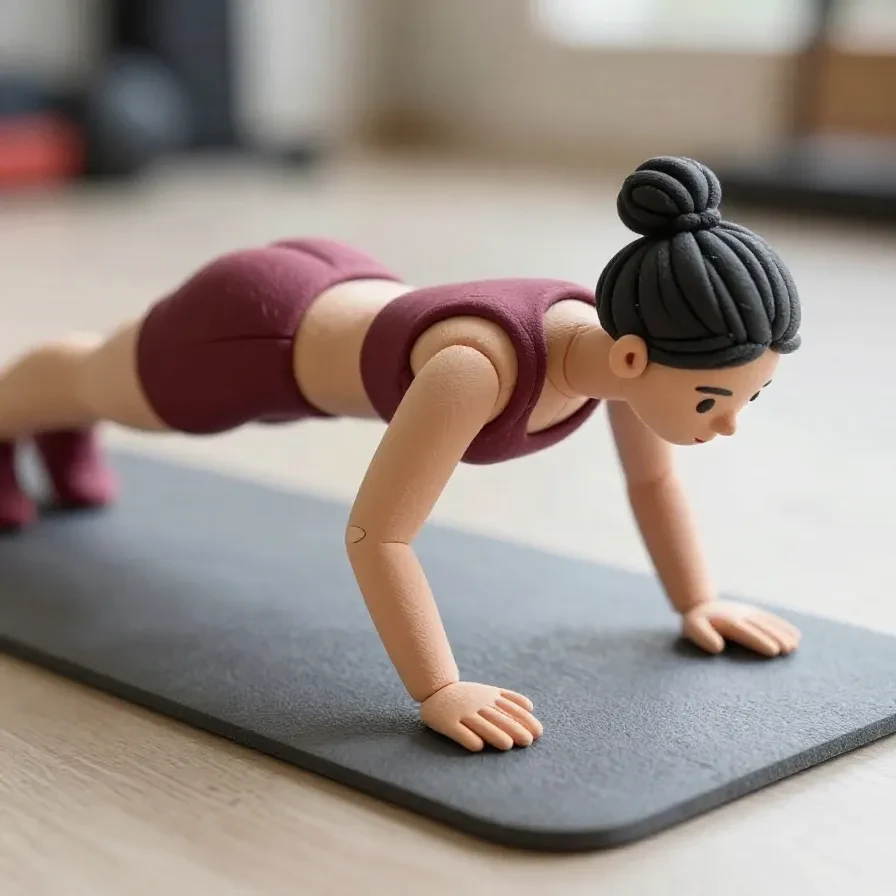
Step 5 — Schedule Recovery Days
Include rest days and mindfulness practices like yoga or meditation. This enhances recovery and reduces stress-related setbacks.

Perfect for recovery days, this massage gun helps reduce muscle soreness and improve recovery after workouts.

Adjustable dumbbells ideal for strength training routines over 50, offering versatility and space-saving design.
Step 6 — Evaluate and Adjust Regularly
Track progress weekly and adapt workouts or nutrition based on your results. Continuous adjustments ensure you meet evolving needs.
The Science Behind Body Changes at 50
After 50, your body undergoes significant changes like hormonal shifts that affect fat distribution and metabolism. These changes make traditional approaches less effective without strategic planning.
For women, reductions in estrogen can slow recovery and affect muscle retention. Understanding these changes allows you to approach fitness with precision and care.
Common Mistakes to Avoid
Neglecting Strength Training
Cardio alone is ineffective for muscle retention and metabolic health. Balance your plan with weight workouts for women over 50.
Relying Solely on Willpower
Willpower isn’t enough when motivation dips. Establish systems like prepped meals and scheduled workouts to maintain consistency.
Skipping Recovery
Ignoring rest days can lead to fatigue and injury. Incorporate recovery protocols like stretching and sufficient sleep into your routine.
Tools and Resources for Success
- Fitness tracker: Monitor progress and ensure your workouts align with your goals.
- Quality dumbbells: Essential for weight workouts for women over 50, promoting muscle growth and strength.
- Meal prep containers: Simplify clean-eating habits with organized, nutrient-dense meals.
- A supportive community: Motivation exercise groups keep you accountable and engaged.
What Results Can You Expect?
Transforming your body after 50 with strategic systems yields measurable improvements in strength, energy, and mental clarity. You’ll notice enhanced muscle definition and better mobility.
Consistency with an over 50 exercise plan reduces risks of chronic illnesses and supports long-term health. Success includes not just physical changes but mental resilience and confidence in navigating aging.

Loved this post? Save it to your favorite Pinterest board so you can easily find it later! ✨

Nutrition Expert - Specialty: Dietary Science & Chronic Disease Prevention I believe food is the most powerful medicine we have.
- Adam John

- Adam John
- Adam John
- Adam John